
Custom Coffee Packaging Boxes — Wholesale OEM/ODM Manufacturer
Yongjian is a coffee packaging manufacturer and OEM/ODM supplier in China, producing wholesale folding cartons, rigid boxes, drawer boxes, paper tubes and kraft mailers for coffee brands, roasters, importers and distributors. With 25 years of in-house paper packaging production, every order runs as a private label or custom printed pack — from dieline and structural design through bulk production, quality control and export packing.
- Low MOQ
- Factory-direct
- OEM & ODM
- Private label
- Bulk orders
- 3-day sampling
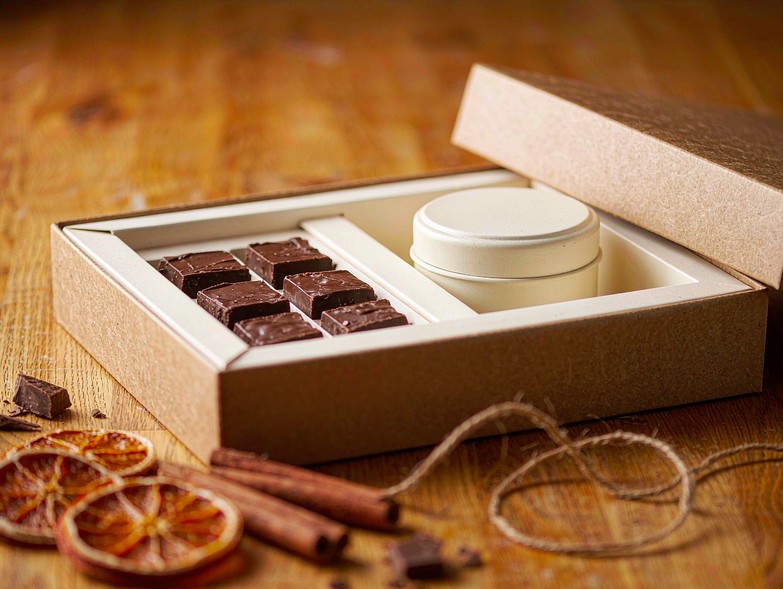
What coffee packaging has to do
Every coffee packaging decision comes back to these three jobs. A structure that solves one of them badly tends to create a problem in another, so they are designed together.
Block light and moisture
Roasted coffee releases aroma continuously and degrades under light. A close-fitting rigid box or a well-built folding carton with tight flaps keeps oxygen exchange and light ingress down, and it keeps the coffee fresh between production and the customer’s shelf.
Survive the parcel
Coffee boxes travel through couriers and get dropped. Rigid structures and corrugated mailers absorb the impact, and a snug internal tray stops the bag or capsules moving inside the box instead of abrading the print on the way.
Do the selling
On shelf, the box carries the roast name, origin, tasting notes and the brand story. That is a print job as much as a structural one, and it is where the choice of kraft, coated stock or rigid board matters visually.
Choosing between a folding carton and a rigid box
This is the first decision in any coffee packaging enquiry, because it sets both the unit cost and the perceived value. The comparison below is the one we walk customers through.
| Structure | Coffee formats it suits | Barrier & protection | Cost position |
|---|---|---|---|
| Folding carton | Retail 250 g / 1 kg bags, multi-packs, grocery listings | Good with tight flaps and a coated or laminated board; light, stacks well | Lowest unit cost, best for repeat high-volume lines |
| Rigid box | Reserve roasts, single-origin releases, gift and subscription boxes | Highest barrier and shape retention, survives a retail shelf with no back panel | Premium position, usually paired with a velvet or moulded insert |
| Drawer box | Coffee plus an accessory, brew kit, tasting flight | Rigid construction with a snug tray; the tray fixes the bag in position | Mid-to-premium, the opening adds perceived value |
| Paper tube | Ground coffee, instant coffee, small roasted bags | Rigid around the circumference; requires a flat inner base for stability | Moderate, and visually distinctive against standard cartons |
| Kraft mailer / corrugated box | Direct-to-customer shipments, multi-bag orders, subscriptions | Corrugated board absorbs drops; usually shipped inside a rigid box or outer carton | Function-led, chosen for shipping cost rather than presentation |
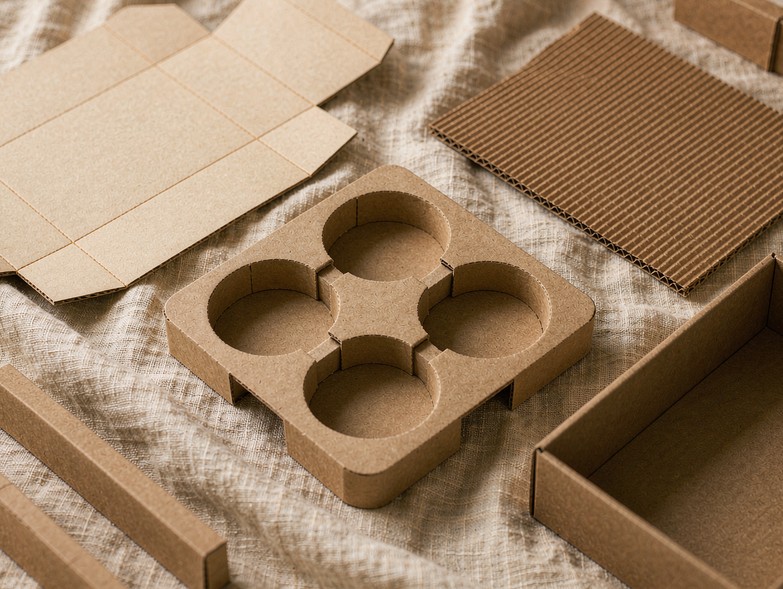
The internal fit that stops the bag moving
Coffee moves inside a box that does not fit it. Every parcel drop becomes abrasion on the inner print, and a 250 g bag in a box sized for 500 g looks careless on shelf even when nothing is broken.
- Paper insert and divider cards for folding cartons holding one or two bags — the cheapest way to stop movement and to separate two roasts in the same box.
- Folded paper tray for multi-pack sets, keeping each bag upright for shelf presentation.
- Moulded pulp cradle for rigid boxes holding a bag plus a drip bag, mug or filter, where fibre-based protection is preferred.
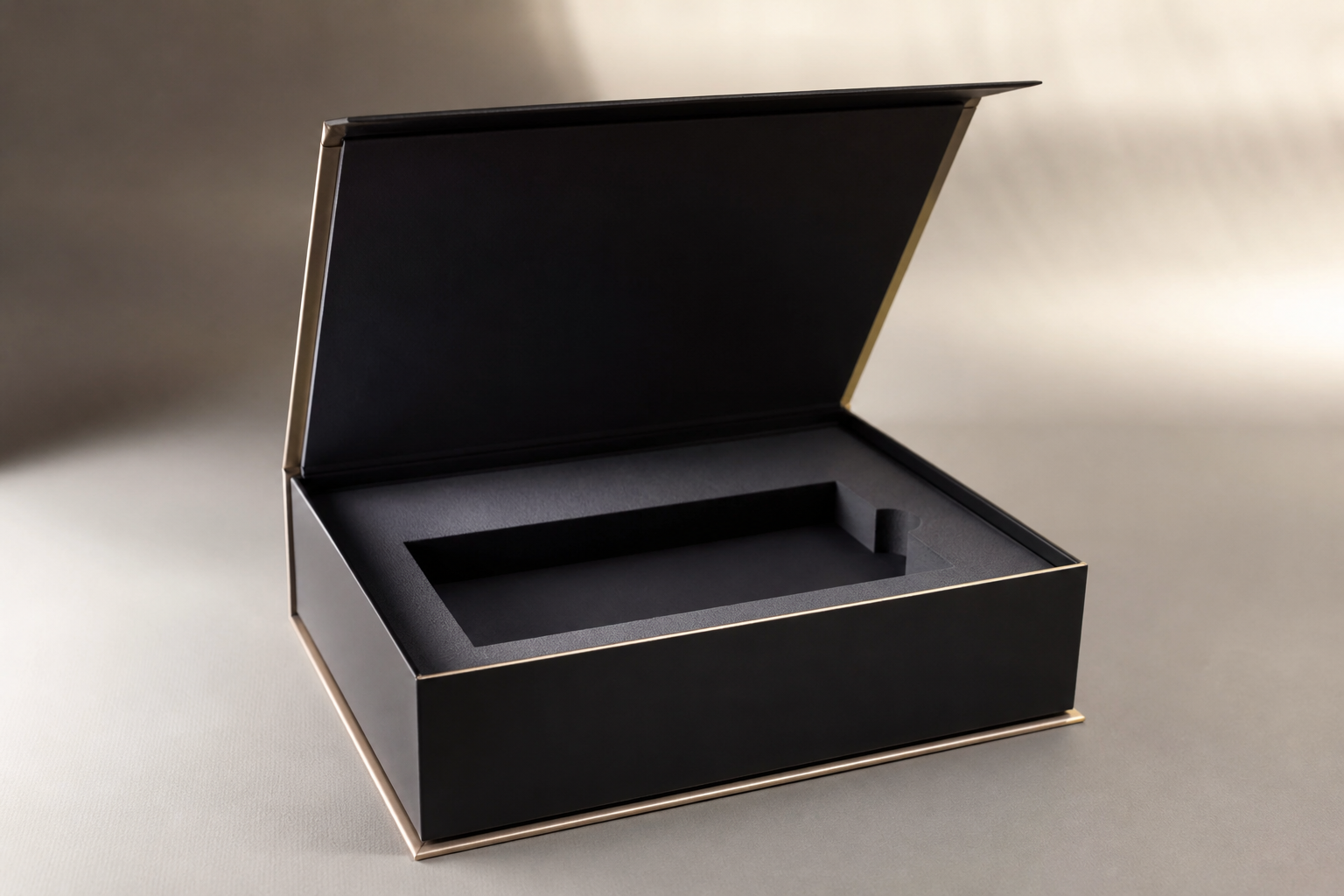
- EVA or velvet flock insert where the coffee is the gift and the presentation has to justify a premium price.
Send the bag dimensions and the number of units per box, and we will set the internal dimensions around them rather than around a nominal size.
Kraft, white board or rigid greyboard
The material decision interacts with the print process in ways that are worth planning early, because ink on kraft behaves differently from ink on coated white board.
| Material | Positioning | Print behaviour |
|---|---|---|
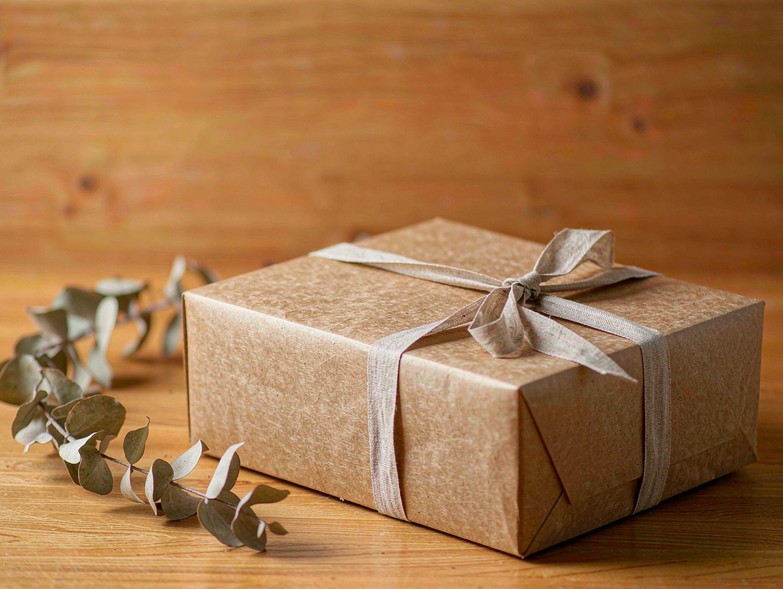
| Kraft paper / corrugated board | Roastery, direct-to-customer, natural and honest tone | Dark, warm inks read well; a full flood of solid colour hides the fibre texture |
| Coated folding carton | Retail and grocery shelf where colour accuracy drives choice | Offset reproduces brand colours accurately; gloss or matt lamination changes the shelf contrast |
| Coated folding carton, digital printed | Short runs, seasonal and limited roasts | Per-roast artwork with no plate cost, ideal for small batches and samples |
| Rigid greyboard with printed wrap | Reserve and gift packaging | The wrap sheet carries the artwork; foil stamping and embossing add the gift cues |
FSC-certified board is available across the folding carton and rigid ranges, which matters if the roastery or the retail buyer asks for documented sourcing.
Coffee formats and the box each one needs
The same roastery often needs three different structures: a retail carton for the shelf, a rigid box for subscriptions, and a mailer for shipping. Working from the format keeps the decision simple.
Whole bean and ground retail
Folding carton sized to your bag, with a tight flap structure and an internal paper divider when two bags share a box. Matte lamination is the usual finish because it survives handling and keeps the roast colour consistent.
Capsules and brew kits
Rigid or drawer structures with a moulded pulp or paper tray that holds each capsule in place. A tight tray prevents capsules rattling, which is both a noise problem in transit and a sign of quality to the customer.
Drip bags and single-serve
Compact folding cartons or paper tubes, sized to a small run of sachets. Digital printing suits limited roasts and seasonal releases without a plate charge per flavour.
Subscription and gift boxes
Rigid gift boxes with a moulded or velvet insert, usually shipped inside a corrugated outer. The presentation box is what the subscriber photographs, so the finish and the insert do the selling.
A coffee packaging supplier you can hold to account
We are a factory, not a trading company. For a coffee order that matters long after the pallet ships — the barrier specification, the insert fit and the valve detail are decided on our own floor, with quality control recorded at every stage.
25 Years In-House Production
Every coffee box is printed, die-cut, creased, folded and packed in our own plant. No middleman sits between your roast profile and our machines, so the dieline you approve is the dieline that runs and the carton that ships matches the quotation.
Factory-Direct Pricing
As a coffee packaging supplier we quote from production cost rather than a trading margin. Because a valved retail carton and a folding shipper use different material, each is priced from its own structure and barrier spec rather than a single blended rate.
Quality Control At Every Stage
Our in-house checks cover board caliper, print colour, fold registration and insert fit, and our ISO 9001-certified process holds defects under 0.5%. Freshness packaging is specified against the destination market you sell into, so the barrier and any food-contact liner match that requirement.
Low MOQ And 10–15 Day Lead Time
We work with a low MOQ so a roaster can test a new origin or a cafe chain can open a new store. Dieline and a physical sample are typically ready within three days of confirmed artwork; bulk production completes in 10–15 days, timed to your roast date.
Who we manufacture coffee packaging for
Coffee packaging enquiries usually reach us from one of six buyers — a specialty roaster scaling wholesale, a cafe or bakery chain needing branded retail bags, a supermarket coffee brand, a DTC coffee subscription, a green-coffee importer packing at origin, or a promotional gift programme. We quote and schedule all six the same way; what shifts is the structure, the barrier and the insert.
Coffee brands and roasters
You sell whole bean, ground or capsules and need custom printed and private label coffee boxes under your own brand, from a single-origin release to a full range.
Importers and distributors
You buy for resale and need bulk supply with export packing. We handle inner packing, outer cartons, quantity allocation, labelling and shipment preparation as part of the order.
Cafes and specialty coffee brands
You need shelf-ready wholesale packaging for retail bags or one-way valve cartons, sized to your bag and printed in CMYK with Pantone match on your brand colours.
E-commerce and DTC coffee sellers
You ship direct and need a box that survives a courier. We spec close-fitting structures and inserts that stop the bag moving, with kraft mailers for bulk subscription shipments.
Subscription coffee programmes
You need a repeatable format that arrives the same way every month. We fix the structure, board and insert once, then bulk produce against the approved sample.
Coffee equipment and accessory brands
You are pairing packaging with equipment. We produce cartons sized to your product set so the box, the brew kit and the accessories present as one system.
Seven steps from enquiry to delivered cartons
-
1
Enquiry
Coffee format, bag or product dimensions, quantity and destination market.
-
2
Structure advice
We recommend carton, rigid or mailer with the barrier and shipping reasoning stated.
-
3
Quotation
Quoted by structure and print process so material changes are easy to compare across bulk and wholesale options.
-
4
Artwork check
Dielines prepared and your files checked for bleed, profile and clear space.
-
5
Sample
A physical sample, typically within three days of confirmed artwork, with a dieline issued for your engineering check.
-
6
Production
Made after sample approval, with quality checks recorded during the run.
-
7
Delivery
Completed in 10–15 days after approval, then bulk-packed and export-packed to your shipping requirement.
Coffee packaging questions
Do you supply one-way degassing valve coffee boxes?
Yes. Degassing valves are typically fitted on folding cartons for whole bean and ground coffee, and the hole position and the film layer are set at dieline stage. Tell us at enquiry whether the coffee is whole bean or ground, and whether the valved carton is for retail or for a sealed bag inside, because the film spec differs.
What minimum order do you accept for custom coffee boxes?
We work with low MOQ, and the minimum depends entirely on the format: a digitally printed folding carton can run in a small batch, while a rigid box with a custom moulded or foam insert has setup cost that needs volume to make the unit price sensible. Send quantity and format and we will state the minimum for that exact specification.
Can the box hold the coffee bag directly, or do I need an insert?
Direct fit is fine for a standard 250 g or 1 kg bag if the internal dimensions are set to the bag rather than to a nominal size. An insert becomes necessary when two or more bags share a box, when the box is rigid, or when the coffee is a gift presentation where the bag must not move at all.
Is kraft paper suitable for coffee packaging?
Yes, and it is a common choice for roasteries and direct-to-customer shipments. Two points are worth planning: dark, warm inks reproduce well on kraft while a solid flood of colour hides the fibre texture, and a kraft structure is usually paired with a protective inner bag or a closer-fitting internal tray. If the retail buyer requires a shelf-stable barrier, a coated folding carton is the better choice.
What information do you need for a coffee box quotation?
The coffee format and bag dimensions, units per box, estimated quantity, preferred structure, whether you have artwork, and the destination market with any labelling or compliance requirements. If you are still comparing structures, send the product and the use case and we will recommend one.
Do you provide pre-production samples for coffee boxes?
Yes. We send a 3-day white sample (an unbranded structural proof) so you can check fit, protection and print before bulk production. Physical sampling is part of our standard custom coffee box workflow, and revisions are quick to turn around.
Request a Custom Quote for Your Packaging
Bag dimensions or product drawings, units per box, quantity and your artwork if you have it. We will come back with a structure recommendation, the right insert and a quotation — with a physical sample typically within three days of confirmed artwork. Factory-direct pricing, low MOQ, bulk production.
Packaging we build alongside coffee boxes
Kraft Cosmetic Boxes
The same uncoated kraft approach, shown on cosmetic packaging with the printing options that work on fibre board.
Gift Packaging
Folding cartons and rigid gift structures for coffee sets, tasting kits and seasonal hampers.
Candle Boxes
Rigid, drawer and paper tube formats with fitted inserts, built around a product profile.
Why Choose Us
How we run sampling, production and quality control on packaging programmes.