A magnetic closure vs drawer box sourcing guide should end with a line you can put in a purchase order, not with an opinion about which box feels nicer. Both structures can protect a fragile product, but they do it through different parts, and those parts have different costs, minimums and lead times. The short answer: choose on product weight, removal path, shipping mode and SKU count, then write the result into a spec sheet. This guide works through one heavy ceramic item with both structures quoted.
Contents
- The case: one ceramic piece, two shortlisted structures
- What the closure actually decides
- The magnetic closure vs drawer box sourcing guide: four cost lines
- Engineering checks for heavy, fragile, irregular items
- Freight, storage and multi-SKU effects
- Scope and responsibilities: who chooses, who tests, who supplies
- Turn the choice into an orderable spec
- Conclusion: a sourcing decision, not a style vote
The case: one ceramic piece, two shortlisted structures
A home fragrance brand is sourcing a gift box for a glazed ceramic diffuser. The item weighs more than a cosmetic jar, has a wide base and a narrow neck, and will travel by parcel to individual customers as well as sitting on a retail shelf. Two structures are shortlisted: a book-style magnetic closure box and a sleeve-and-tray drawer box. This is a composite of common sourcing situations, not a named customer or a reported result.
The magnetic sample looks better in the showroom. The drawer sample holds the insert more securely and costs less to tool. Neither fact settles the decision, because the showroom does not include a parcel network and the tooling number does not include freight. Both structures appear across our cultural and creative products and home furnishings packaging range, so the comparison is drawn from that product type.
What the closure actually decides
The closure controls how the box opens and how the product is revealed. It does not control how well the product survives a drop. Protection comes from the insert, the board and the outer carton, so a structure comparison that stops at the opening mechanism misses the part that fails in transit.
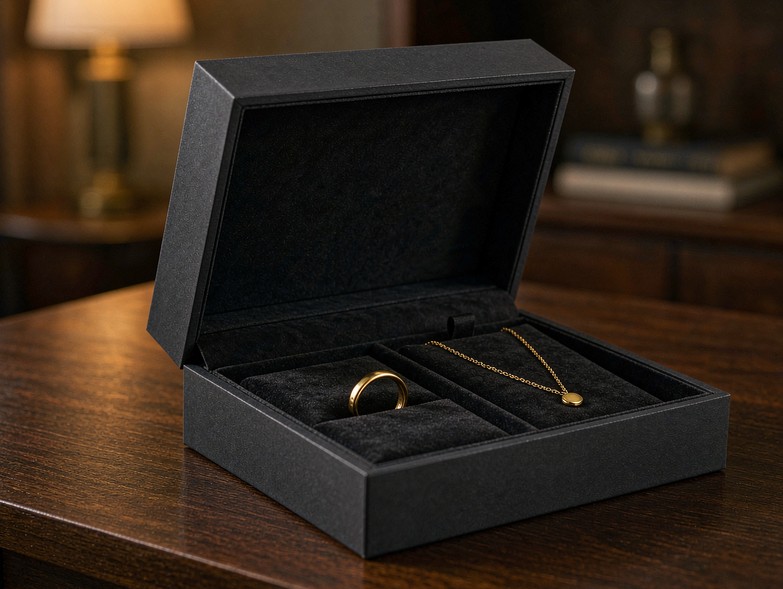
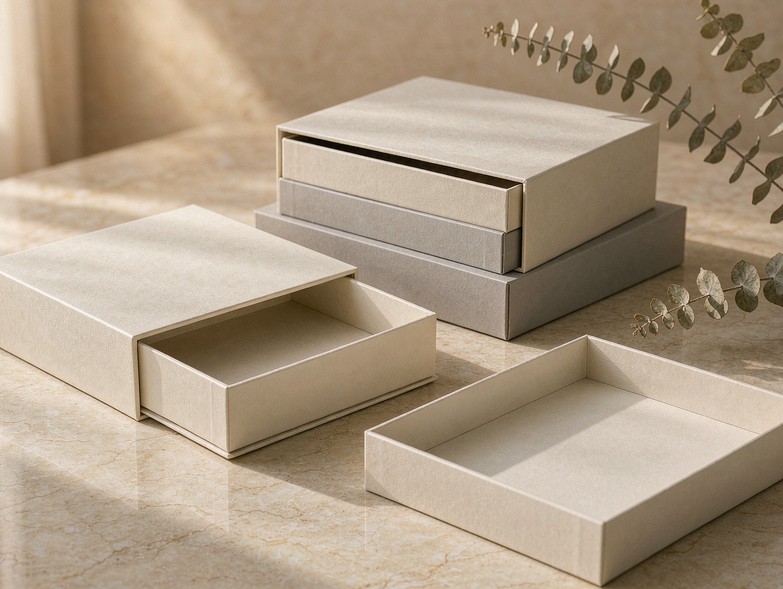
A magnetic closure box uses a hinged lid with magnets set into the board. It shows the whole contents at once, which suits a gift moment, and needs careful lid alignment during wrapping. A drawer box uses a tray that slides out of a sleeve, which gives a gradual reveal and needs a controlled gap between tray and sleeve. Too tight and it binds, too loose and the tray drops. Our drawer boxes page shows the sleeve-and-tray construction in detail.
Two decision rules follow. A magnetic closure is recommended when the product is presented as a set and the unboxing moment matters more than the sliding action. A drawer structure is more suitable when a heavy item benefits from a stable tray that can be lifted out with two hands. Both need the same insert engineering, which is why the cost comparison below starts there.

The magnetic closure vs drawer box sourcing guide: four cost lines
Four lines move when you change structure. Compare them separately, because a single unit price hides which one is driving the difference.
| Cost line | Magnetic closure | Drawer (sleeve and tray) | What to ask the supplier |
|---|---|---|---|
| Tooling and setup | Cutting die, wrap, hinge, magnet positioning jig | Two cutting dies, sleeve and tray, sliding tolerance jig | Which dies are reusable on a repeat order |
| Material and parts | Board, wrap, magnets, hinge reinforcement | Board, wrap, sleeve, tray, optional ribbon or finger notch | Board thickness and magnet or pull specification |
| Labour and assembly | More hand work on lid alignment and magnet placement | More hand work on sleeve wrapping and tray fit | Number of manual steps per box |
| Freight and storage | Assembled box ships mostly air | Assembled box ships mostly air; sleeve adds a layer | Carton dimensions and dimensional weight |
3.1 Where MOQ and lead time change
A structure with more parts usually needs a longer setup and a slightly higher practical minimum, because each part has its own cutting, wrapping and assembly step. That does not mean a small first order is unwelcome. It means the one-time charges are spread over fewer units, which the rigid gift box MOQ and tooling cost guide explains with a quantity tier table. Ask for the tooling and unit price on separate lines, then compare the total at your real quantity.
3.2 What a repeat order costs
Material, labour and freight return on every order. A cutting die does not, as long as the size and structure stay the same. Foil and embossing dies are the exception, because a new logo means a new die. Ask the supplier to state the repeat-order behavior of every one-time charge before you place the first order, otherwise a low first quote can stay low only on paper.
Engineering checks for heavy, fragile, irregular items
Four checks matter more for a ceramic piece than for a light cosmetic product, and all four should be done with the real item inside the sample.
- Support and removal. The insert must hold the widest point and leave a clear path for a hand to lift the item out by the neck without tipping the box.
- Side impact. A drawer tray can slide or rack under a sideways drop, while a hinged lid can spring open. Test both with a packed sample, not an empty box.
- Board stiffness on large panels. A wide lid or a long sleeve can bow if the board is too thin for the span. Check it after a few days, not only on the day it is made.
- Closure behavior after humidity. Magnets, adhesives and wrapped hinges see warm, damp conditions in sea freight. Ask whether the closure was checked after conditioning, not just at room temperature.
The test acceptance line belongs in the purchase order. Recognized procedures are published by ISTA, and the sequence and pass criteria should be written into the order rather than left to a verbal agreement.
The drop test requirements for packaging suppliers shows how to phrase those fields.
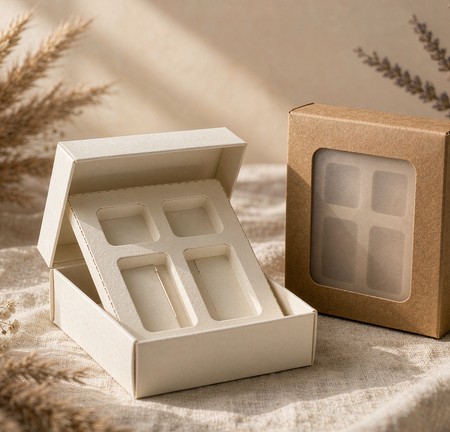
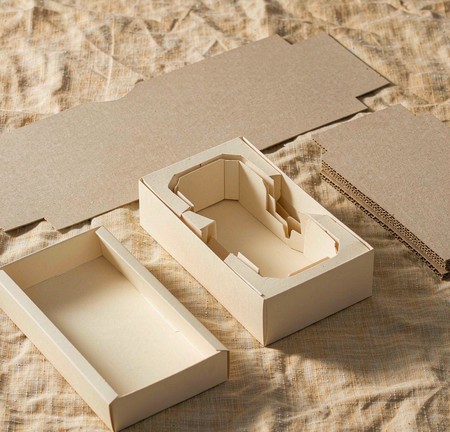
Insert material and its own tooling have a separate cost logic, covered in the molded pulp vs foam inserts cost comparison.

Freight, storage and multi-SKU effects
Rigid boxes ship mostly air, so carriers charge by volume as well as weight. Before you choose, ask for the carton dimensions and the number of boxes per carton for both structures. A sleeve adds a layer to a drawer box, and a hinged magnetic box can be thicker than it looks. A collapsible version of either structure ships flat and can lower freight on long-distance orders, though it adds its own assembly step.
Warehouse space follows the same arithmetic. If several products can share one box size, a single structure can serve several SKUs and the order reaches a better quantity tier. Put the version differences on a label or belly band instead of cutting new dies. That is usually the cheapest way to run a three-scent launch, and it also simplifies a reorder.
Scope and responsibilities: who chooses, who tests, who supplies
A structure recommendation is useful only when the buyer knows which decisions remain theirs. Four boundaries keep that split clear, and none of them is a reason to turn a project away.
- You choose the structure. We give a recommendation with the reason, the cost effect and the engineering risk, then you decide. A brief marked “to be advised” is still workable when the decision owner is named.
- Our own lines make paper-based structures. Magnets, ribbons, metal fittings and moulded trays come from a specialist partner, and we coordinate their dimensions so the whole set fits one specification and one contact.
- We run in-house drop, moisture and transit checks and keep the records, but we do not issue third-party certificates ourselves. When a buyer needs a formal report, we prepare the samples and the test specification, and an independent laboratory issues it.
- The buyer names the target market and the documents required there. We build to that specification and supply FSC chain-of-custody papers where required, which can be checked through FSC. We do not sign off legal compliance for your market.
None of this changes whether your order is 100 boxes or 10,000. Our sampling takes 3 days and mass production takes 10 to 15 days from confirmed artwork and sample sign-off, on a rigid box line running more than 150 machines, under ISO 9001 with a defect rate below 0.5%.
Turn the choice into an orderable spec
A sourcing decision is finished when it can be sent to a factory without a follow-up call. Write these fields down: box style and opening direction, external and internal dimensions, board thickness, magnet or pull specification, insert material and cavity drawing, finish list, number of artwork versions, quantity per version, packing diagram, carton dimensions, test standard and acceptance criteria, and the approval contacts.
The custom gift box RFQ checklist has the same fields in a send-ready format. Add one line that most buyers forget: the result of the packed sample check. A structure chosen on appearance and then failed by a drop test is not a saving. Ask for a physical sample with your real product inside, and sign a golden sample on both sides before tooling is committed.
Conclusion: a sourcing decision, not a style vote
A magnetic closure vs drawer box sourcing guide earns its place when it changes what you order. In our case, the magnetic sample won the showroom and the drawer sample won the engineering check, so the useful output was not a verdict. It was a spec sheet with a defined insert, a defined test and a defined quantity tier.
Use three rules going forward. Choose on weight, removal path, shipping mode and SKU count, not on the opening feel alone. Compare tooling, material, labour and freight as separate lines. Ask for a packed sample before any tooling is cut. Then the structure in your purchase order is the one you actually tested.
Send your product dimensions, weight, display plan and quantity tiers through our cultural and creative products and home furnishings packaging page. We will return a structure recommendation with the cost lines separated, and produce a physical sample in 3 days.
Which structure protects a fragile product better?
Neither, by itself. Protection comes from the insert, board and outer carton, not from the closure. A magnetic lid can spring open under a drop and a drawer tray can rack under a side impact, so both need a fitted insert and a packed sample test before the structure is approved.
Is a magnetic closure box more expensive than a drawer box?
Usually yes in parts and hand work, because it adds magnets, a hinge reinforcement and lid alignment. The total depends on the insert and freight as well, so compare tooling, material, labour and freight as separate lines at your real quantity rather than comparing one unit price.
What should I check on a packed sample?
Check support at the widest point, the path a hand takes to lift the item out, lid or tray behavior after a sideways drop, panel stiffness on large spans, and closure behavior after humidity conditioning. Use your real product inside the box, and keep 3 to 5 samples to see variation.
Can several SKUs share one box structure?
Yes. Keep one box size and one dieline, then move artwork and wording to a label or belly band. That lets several versions share one MOQ and one production run, and it makes a reorder simpler. List each version in a variant table in the brief.
What affects lead time for these two structures?
Setup and assembly steps, not just the number of days quoted. Our sampling takes 3 days and mass production takes 10 to 15 days from confirmed artwork and sample sign-off. Ask what starts the clock and which one-time charges return on a repeat order.
Should I choose a collapsible version for export?
Consider it when freight is a large share of landed cost. A collapsible box ships flat and can cut shipping volume, but it adds an assembly step and its own tooling. Ask for both quotations with carton dimensions and dimensional weight so the comparison includes freight.