Selecting the wrong packaging supplier leads to inconsistent colors, structural failures, damaged products, and weakened brand perception. For the complete packaging selection framework, see our Custom Packaging Selection Guide. To choose a reliable cosmetic box manufacturer, brands must rigorously evaluate their structural design capabilities, material expertise, quality control protocols, surface finishing technologies, and overall manufacturing consistency. Partnering with an experienced factory ensures both aesthetic appeal and product safety.
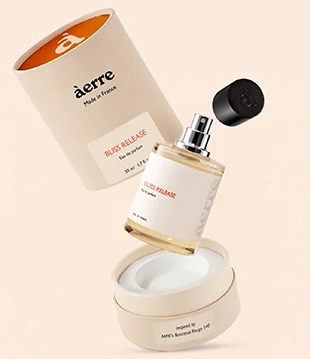
Table of Contents
- Why Choosing the Right Cosmetic Box Manufacturer is Critical
- Core Capabilities of Top Cosmetic Packaging Boxes Manufacturers
- Evaluating Material Options for Custom Cosmetic Packaging Boxes
- Advanced Printing and Finishing for Beauty Packaging Boxes
- Quality Control and Consistency in Custom Cosmetic Boxes
- Application Specifics: Skincare, Makeup, and Gift Sets
- B2B Decision Factors: MOQ, Lead Times, and Factory Supply
1. Why Choosing the Right Cosmetic Box Manufacturer is Critical
The selection of a packaging supplier is a foundational business decision that directly impacts your supply chain efficiency and retail success.
Choosing the right cosmetic box manufacturer is critical because packaging serves as the primary physical touchpoint between your beauty brand and the consumer, directly influencing product protection during transit, shelf presence in retail environments, and perceived brand value.
In the highly competitive beauty industry, a standard off-the-shelf box is rarely sufficient. Cosmetic products—ranging from fragile glass serum bottles to heavy cream jars—require precise engineering to prevent movement and breakage. A professional manufacturer does not merely print cardboard; they engineer structural solutions. Poorly manufactured boxes often suffer from cracked fold lines, delaminating films, and color variations across different production batches. These defects not only increase the rate of product returns but also severely damage the luxury perception of a brand. By partnering with a verified manufacturer, procurement teams can mitigate these technical risks, ensuring high-yield production, stable costs, and packaging that perfectly aligns with the brand’s marketing objectives.
2. Core Capabilities of Top Cosmetic Packaging Boxes Manufacturers
A comprehensive evaluation of a supplier requires looking past their product catalog and analyzing their internal engineering and production framework.
Leading cosmetic packaging boxes manufacturers must possess robust in-house capabilities, including custom structural CAD engineering, comprehensive material knowledge, precision color management, and scalable production equipment to handle both pilot runs and mass manufacturing.
Custom Structural Design
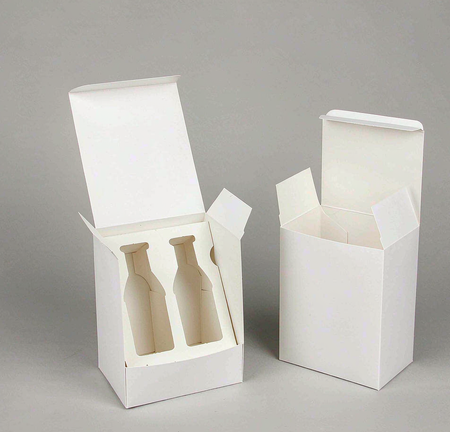
A critical capability is the manufacturer’s structural engineering team. Cosmetic packaging requires accurate structural design to ensure the box fits different products securely. For example, a heavy 50ml glass skincare jar requires a completely different support structure than a lightweight 30ml plastic tube. Expert manufacturers use software like ArtiosCAD to design custom inserts—such as die-cut paperboard, molded pulp, or EVA foam—maintaining a strict dimensional tolerance of ±0.5mm. This precision prevents product rattling and eliminates the risk of damage during global shipping.
OEM/ODM Engineering Support
An experienced supplier transitions seamlessly from a client’s 2D artwork to a 3D physical prototype. They should provide unprinted structural samples (white dummies) to test the physical fit and drop-resistance before any printing plates are made. This pre-production prototyping is a non-negotiable step for verifying that custom dimensions and closure mechanisms (like tuck ends, crash bottoms, or magnetic flaps) function flawlessly under real-world conditions.
3. Evaluating Material Options for Custom Cosmetic Packaging Boxes
Material selection dictates both the structural integrity and the final aesthetic finish of the packaging.
The best material for custom cosmetic packaging boxes depends on the product weight and market positioning, with options ranging from standard 300-400gsm SBS paperboard for standard folding cartons to 1-3mm rigid greyboard for luxury presentations.
Different packaging formats require specific paper grades. A knowledgeable manufacturer will guide brands away from costly material over-specifications while ensuring adequate durability.
Material Selection Criteria
- Solid Bleached Sulfate (SBS): Often referred to as C1S (Coated One Side) or C2S, SBS is the industry standard for beauty packaging. Its smooth, white surface provides excellent printability for high-resolution graphics and vibrant CMYK colors. Usually, 300gsm to 350gsm is ideal for lightweight cosmetics.
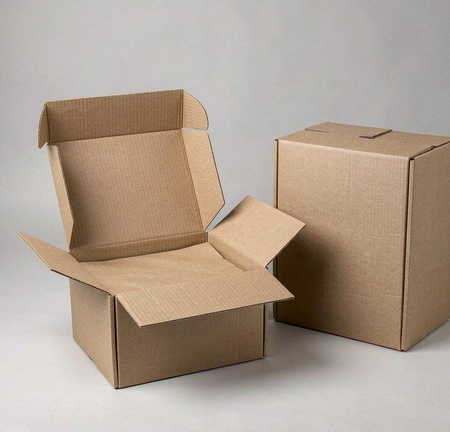
- Kraft Paperboard: For brands emphasizing organic, eco-friendly, or clean beauty positioning, unbleached brown or white Kraft paper provides a natural, textured aesthetic. However, Kraft absorbs ink differently than coated boards, requiring specialized printing adjustments.
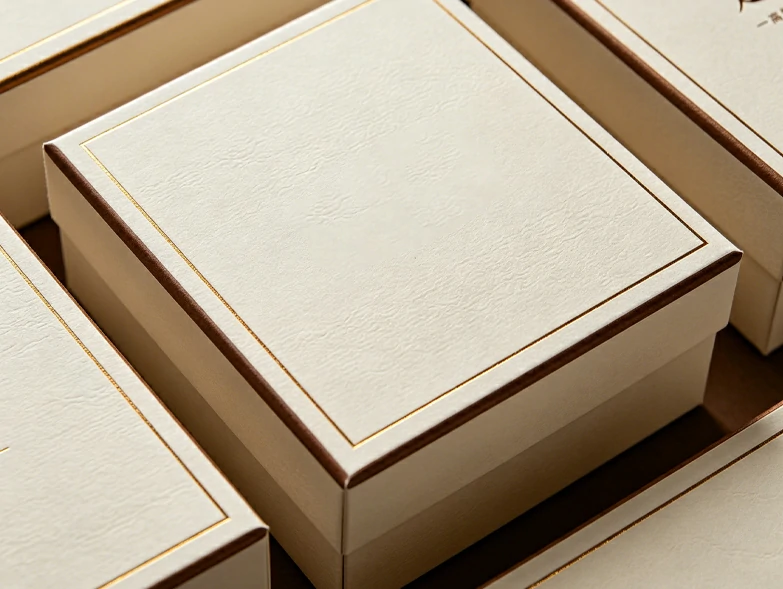
- Rigid Greyboard: Used primarily for luxury items, rigid boxes consist of a thick greyboard core (typically 800gsm to 1500gsm, or 1mm to 3mm thick) wrapped in a thinner printed art paper or specialty textured paper.
Cosmetic Packaging Material Comparison
| Material Type | Typical Thickness / Weight | Best Suited For | Printability & Finishing | Relative Cost |
| SBS Paperboard (C1S/C2S) | 300gsm – 400gsm | Everyday skincare, makeup folding cartons, lightweight jars | Excellent; supports all foil, UV, and embossing finishes. | Low to Medium |
| Kraft Paperboard | 250gsm – 350gsm | Natural skincare, eco-friendly beauty brands, organic lines | Good; best for minimalist prints, vector graphics, black ink. | Low |
| Metalized Paperboard | 300gsm – 350gsm | Premium makeup, holographic or metallic brand aesthetics | Excellent; requires UV printing inks for adhesion. | Medium to High |
| Rigid Greyboard (Wrapped) | 1.5mm – 3mm (Core) | Luxury perfumes, premium gift sets, high-end skincare kits | Superior; wrap paper can be heavily textured or embossed. | High |
4. Advanced Printing and Finishing for Beauty Packaging Boxes
In the beauty sector, the visual and tactile experience is just as important as the product itself.
To elevate beauty packaging boxes, brands should utilize premium surface finishes such as anti-scratch lamination, hot foil stamping, spot UV gloss, and multi-level embossing, which significantly enhance the tactile unboxing experience and brand recognition.
A standard CMYK print is rarely enough to stand out on a retail shelf. Professional manufacturers employ advanced secondary processes to add texture, contrast, and luxury cues.
Lamination and Coatings
The foundation of a premium finish is the coating. Standard aqueous coatings provide basic protection, but luxury cosmetic boxes often utilize BOPP (Biaxially Oriented Polypropylene) film lamination. Soft-touch lamination is highly popular in cosmetics, offering a velvety, premium tactile feel. Alternatively, anti-scratch matte lamination is recommended for dark-colored packaging, as standard matte films are highly susceptible to scuffing during transit.
Foil Stamping and Embossing
Foil stamping uses heat and pressure to apply metallic foils (gold, silver, rose gold, or holographic) to specific areas of the design. When evaluating a manufacturer, check their registration accuracy—the alignment between the printed ink and the applied foil. Misaligned foil makes a product look counterfeit or cheap. Embossing and debossing alter the physical surface of the paperboard, allowing logos to be raised or sunken. Advanced suppliers can execute “multi-level” embossing, creating a sculpted, 3D effect on the packaging surface.
5. Quality Control and Consistency in Custom Cosmetic Boxes
Consistency across mass production runs separates amateur printers from industrial-scale packaging experts.
A reliable manufacturer ensures quality in custom cosmetic boxes by strictly controlling color matching to Pantone standards (maintaining a Delta E < 2), conducting structural drop tests, and monitoring die-cutting tolerances during continuous mass production.
Precision Color Management
Beauty brands rely heavily on exact color replication to maintain brand identity. A professional manufacturer uses spectrophotometers to measure ink density and color accuracy. They should be able to match custom Pantone Matching System (PMS) colors with a Delta E (color variance) of less than 2.0, meaning the human eye cannot detect a difference between the approved proof and the mass-produced box.
Manufacturing and Die-Cutting Tolerances
Quality control extends to the physical manufacturing process. If the die-cutting machine is not properly calibrated, the fold lines (scores) may crack, especially on thicker 400gsm boards. High-quality manufacturers monitor the grain direction of the paperboard, ensuring that the main folds run parallel to the grain to prevent fiber cracking. Furthermore, gluing processes must be tested for humidity resistance so that boxes do not spontaneously unglue when shipped to tropical climates.
6. Application Specifics: Skincare, Makeup, and Gift Sets
Packaging engineering is not one-size-fits-all; different cosmetic product categories demand specialized structural and aesthetic approaches.
Different beauty categories require tailored solutions; skincare packaging boxes focus on clean aesthetics and heavy jar protection, makeup boxes prioritize vibrant colors and slim profiles, while luxury cosmetic gift boxes emphasize rigid structures and elaborate unboxing experiences.
Skincare Packaging Boxes
Skincare companies often require custom packaging boxes for facial creams, heavy glass serums, toners, and cleansers. Because these products often contain liquids in glass containers, the primary concern is structural stability. Skincare packaging boxes frequently incorporate custom inner trays. Furthermore, because skincare is often stored in humid environments like bathrooms, utilizing moisture-resistant laminations or varnishes on the exterior of the box is a critical manufacturing recommendation.
Makeup Packaging Boxes
Makeup brands—such as those selling lipsticks, liquid foundations, and eyeshadow palettes—usually focus on aggressive brand differentiation and managing high SKU counts (e.g., 20 different foundation shades). Makeup packaging boxes often feature die-cut windows backed with clear PET film, allowing consumers to see the actual color of the cosmetic product inside. The packaging must be compact to maximize retail shelf density while still providing enough surface area for mandatory regulatory ingredients and barcode printing.
Cosmetic Gift Box Manufacturers
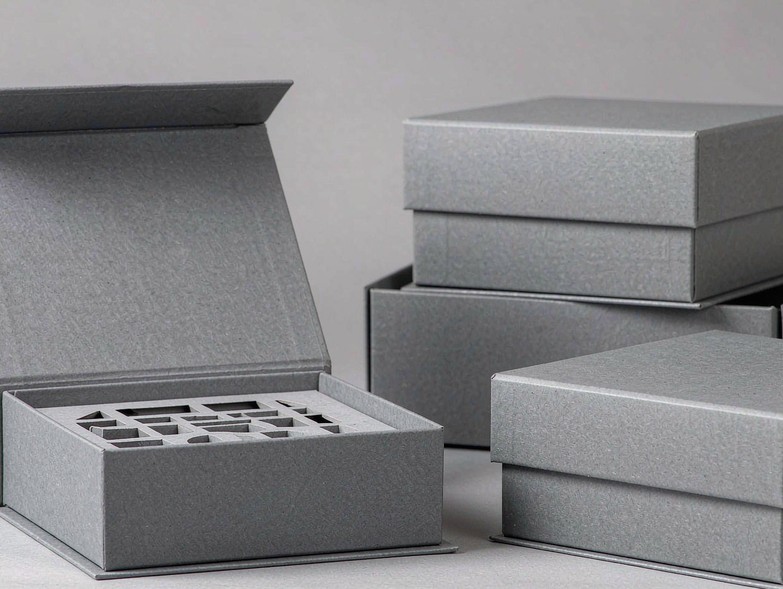
For perfumes, seasonal beauty collections, and premium skincare sets, brands turn to specialized cosmetic gift box manufacturers. These applications demand rigid box structures, such as magnetic closure boxes, two-piece telescopic boxes, or drawer (slipcase) styles. Rigid boxes use precise V-groove cutting machines to achieve sharp, 90-degree corners, creating a monolithic, high-end appearance. The interior usually features custom-molded EVA foam covered in velvet or silk to securely cradle multiple items of varying shapes.
7. B2B Decision Factors: MOQ, Lead Times, and Factory Supply
Beyond technical capabilities, procurement teams must evaluate the commercial viability and supply chain reliability of the manufacturer.
When selecting a factory, procurement teams must evaluate their MOQ (Minimum Order Quantity) flexibility, OEM/ODM support, factory-direct pricing, and international export experience to ensure reliable supply chain operations and competitive unit costs.
MOQ Flexibility and Cost Scaling
In the packaging industry, setup costs (printing plates, cutting dies, machine calibration) are fixed. Therefore, extremely small runs have a high cost-per-unit. A supportive manufacturer will offer flexible MOQs—often starting around 500 to 1,000 units—to help new beauty brands or product lines test the market. As the brand scales to 10,000 or 50,000 units, a true factory direct supply model ensures significant economies of scale, removing trading company markups.
Export Experience and Supply Chain Reliability
A manufacturer’s responsibility does not end when the boxes come off the glue line. Proper export packaging is vital. If flat-packed folding cartons are shipped internationally in weak master cartons, they will arrive crushed or warped by moisture. Experienced manufacturers pack finished goods in double-wall (5-ply) corrugated master cartons, use edge protectors, insert desiccant packets to control humidity, and palletize the shipments securely. This export experience drastically reduces the risk of overseas procurement.
Conclusion
Choosing the right cosmetic packaging partner requires evaluating much more than a price quote. It demands a thorough assessment of a supplier’s custom structural design capabilities, material expertise, advanced printing technologies, and strict quality control measures. Whether you require standard folding cartons for a new makeup line or intricate rigid boxes for luxury skincare gift sets, aligning with a technically proficient manufacturer ensures your packaging protects the product and elevates your brand’s market positioning.
Ready to elevate your beauty brand’s packaging?
As a leading packaging engineering consultant at Dongguan Yongjian Paper Products Co., Ltd., with over 20 years of custom paper packaging expertise, we provide comprehensive OEM/ODM solutions tailored to your specific product requirements.
Contact our technical team today to request a professional structural consultation, physical packaging samples, or a detailed quotation for your next cosmetic packaging project.
Frequently Asked Questions (FAQ)
1. What is the standard MOQ (Minimum Order Quantity) for custom cosmetic packaging boxes?
While MOQs vary by manufacturer and box type, standard folding cartons typically start at 1,000 to 3,000 units to be cost-effective due to machine setup costs. Luxury rigid boxes, which involve more manual assembly, can sometimes be ordered in smaller batches of 500 units, though unit costs will be higher.
2. How do I ensure the printed color matches my brand’s exact logo color?
To guarantee color accuracy, provide your manufacturer with a specific Pantone (PMS) color code rather than a standard CMYK breakdown. Request a physical printed proof before mass production, and ensure the manufacturer uses spectrophotometers to maintain a Delta E variance of less than 2.0 during printing.
3. What is the difference between a standard folding carton and a rigid cosmetic gift box?
A folding carton is made from a single sheet of paperboard (usually 300-400gsm), ships flat, and is assembled by folding and tucking. A rigid box is constructed from thick 1-3mm greyboard wrapped in paper, cannot be folded flat, is highly durable, and is used primarily for luxury items like perfumes and premium gift sets.
4. How can I prevent the fold lines on my cosmetic boxes from cracking?
Cracking occurs when paperboard is too thick, too dry, or folded against the grain. To prevent this, manufacturers must align the box’s primary fold lines parallel to the paper’s grain direction, use appropriate scoring tools during die-cutting, and apply a protective lamination (like BOPP film) over heavy ink coverage areas.
5. Are custom cosmetic packaging boxes eco-friendly?
Yes, if specifically engineered for sustainability. Brands can request FSC-certified paperboard, 100% recyclable Kraft paper, or post-consumer recycled (PCR) materials. Additionally, substituting plastic inserts (like blister packs) with molded paper pulp or die-cut cardboard inserts makes the entire package fully biodegradable and recyclable.
6. What information is required to get an accurate quote from a cosmetic box manufacturer?
To receive a precise quotation, you must provide the exact dimensions of the box (Length x Width x Depth), the preferred material type and thickness, the specific structural style (e.g., straight tuck, magnetic rigid box), the required surface finishes (e.g., matte lamination, gold foil), and the estimated order quantity.