Shoe boxes represent a high-touch unboxing moment for the consumer, but for procurement teams, they are a massive logistics liability. A shoe box must survive aggressive warehouse palletizing, brutal ocean humidity, and rough retail handling while maintaining a pristine, premium appearance. Specifying the wrong board grade or failing to engineer proper ventilation can lead to collapsed pallets or mildewed leather goods before they ever reach the store shelf. The specifications below mirror the checks we run on our own floor as a custom shoe box manufacturer serving brand owners, packaging importers and retail enterprises across North America and Europe.
This guide equips footwear brands and wholesalers with the technical specifications needed to evaluate suppliers and draft an airtight RFQ. We will cover structural styles, stacking strength metrics, moisture control, and realistic factory timelines. For a broader framework covering other garment packaging, review our master Apparel Packaging Guide.
Table of Contents
- Box Styles a Custom Shoe Box Manufacturer Should Offer
- Board Grade, Flute and Coating
- Stacking Strength: BCT, ECT and Why Boxes Collapse at Sea
- Ventilation and Moisture Control for Footwear
- Sizing a Full Size Run with 3-5 Boxes
- MOQ and Lead Time: What a Factory Really Quotes
- Export Compliance: FSC, REACH and Barcode/SKU
- Conclusion
1. Box Styles a Custom Shoe Box Manufacturer Should Offer
Selecting the right physical structure dictates both the consumer experience and your warehouse efficiency. The ideal style depends heavily on your sales channel and price point.
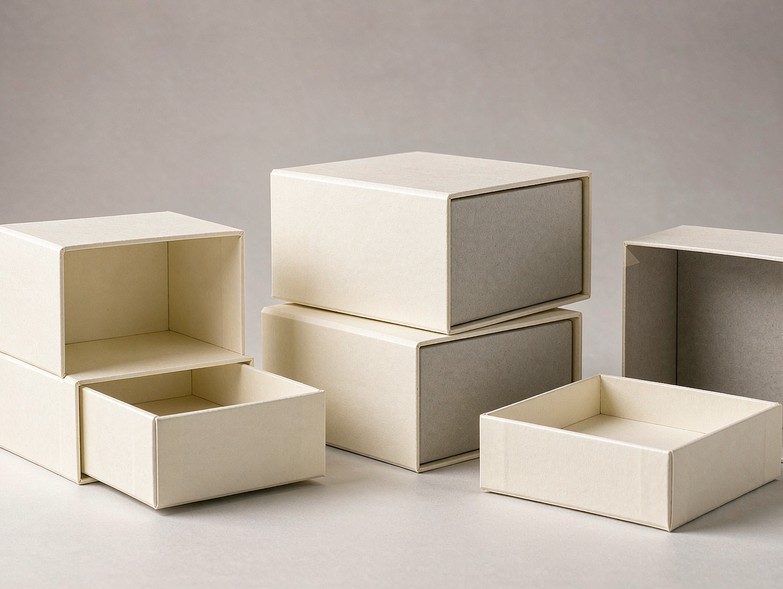
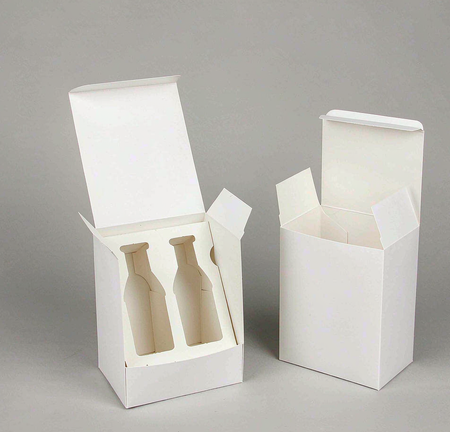
- Two-Piece Tuck (Lid and Base): This is the classic athletic sneaker box. It is cost-effective, easily assembled, and familiar to retail staff.
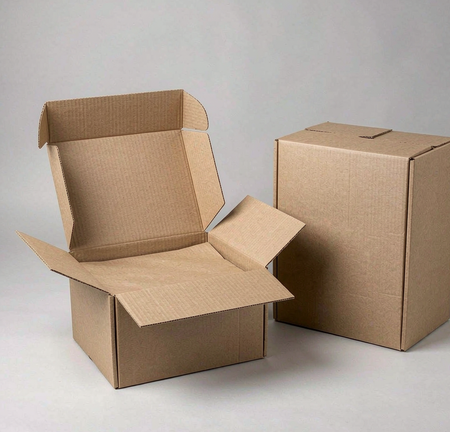
- Roll End Tuck Top (RETT): The classic sneaker box — a single-piece die-cut corrugated box whose lid is a tuck flap that inserts into the body. It ships flat and assembles in seconds on the factory floor, minimizing labor costs.
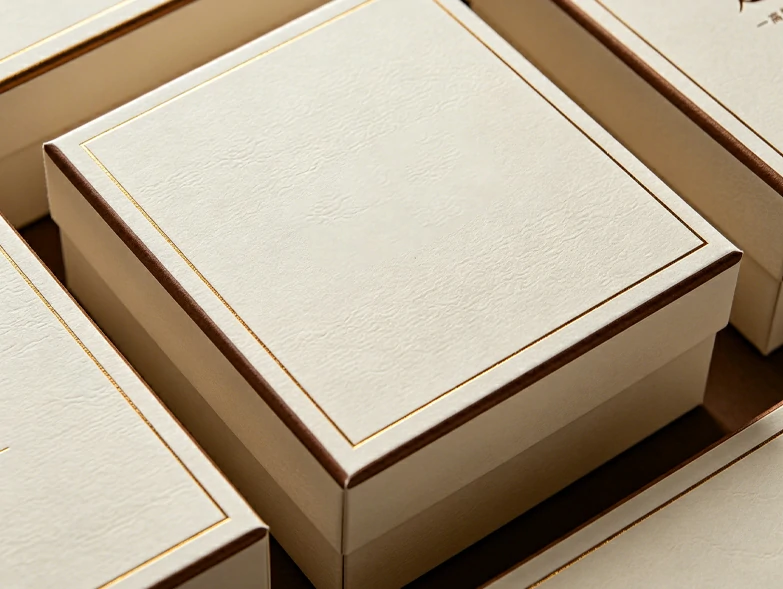
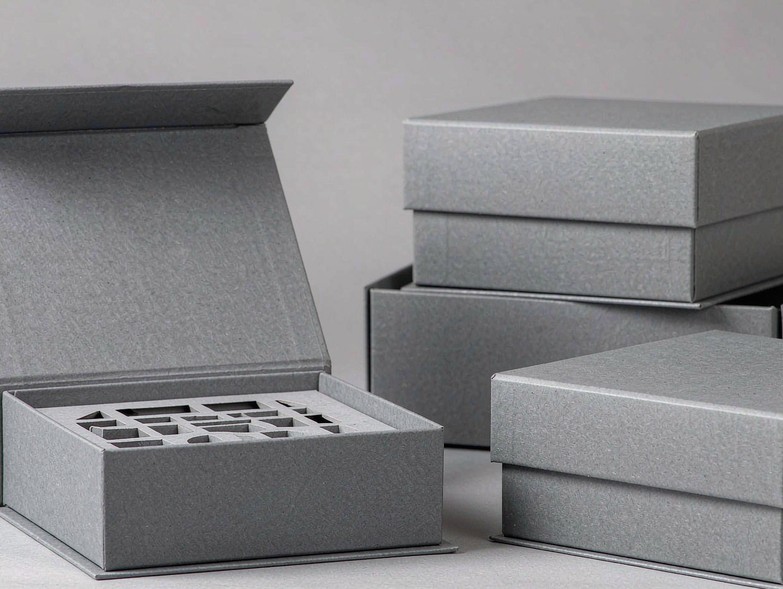
- Hinged-Lid Rigid: A rigid set-up box with a hinged cover, used for premium leather shoes, boots and limited-edition releases. Best For: luxury collections where the unboxing ritual justifies a higher unit price.
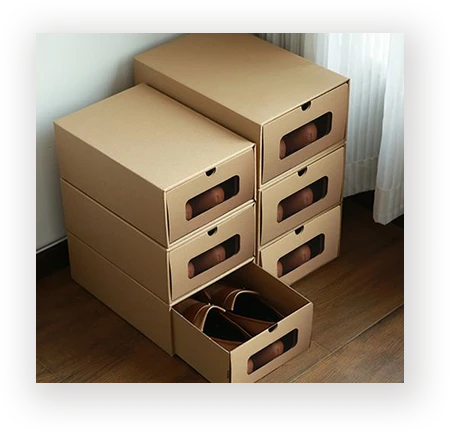
- Drawer Box (Slipcase): Features an outer sleeve and an inner sliding tray. Excellent for boutique retail because the boxes can be stacked high on the sales floor while still allowing staff to slide out the shoe without unstacking the pile — which is why drawer formats anchor many custom retail packaging boxes programs in boutique footwear channels.
- Magnetic Closure: A rigid, heavy-duty setup box with a snapping magnetic flap. Essential for high-end luxury leather footwear.
- Self-Shipper Mailer: A rugged corrugated box designed specifically for direct-to-consumer (DTC) brands. It acts as both the retail box and the shipping carton, eliminating the need for a secondary outer box and reducing packaging waste on returns.
When choosing between a lightweight corrugated structure and a heavy chipboard setup box, the physical and economic trade-offs are significant. If you are debating these two paths, the structural principles outlined in our rigid vs folding carton for apparel comparison directly apply to footwear decisions.
2. Board Grade, Flute and Coating
The substrate is the foundation of the box. Footwear packaging primarily relies on corrugated board for athletic/casual shoes and thick greyboard for luxury shoes.
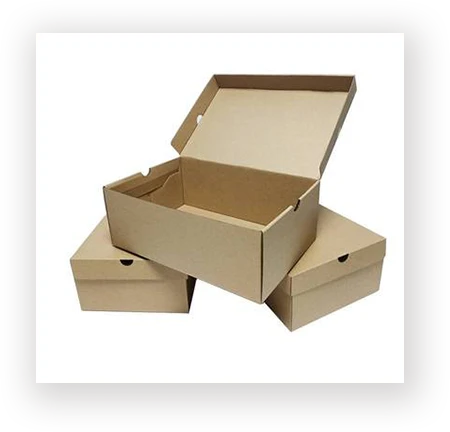
Corrugated Options (Athletic & Casual):
You must specify the “flute” (the wavy inner layer) size. E-flute (approx. 1.5mm thick) is the global standard for corrugated packaging boxes in the footwear category, offering an excellent balance of crush resistance and printability. F-flute (approx. 0.8mm thick) is thinner and provides a smoother surface for high-resolution graphics, though it sacrifices a minor amount of stacking strength. You must also select your liner: bleached white liners offer vibrant CMYK color reproduction, while kraft packaging boxes built on unbleached kraft liners project the sustainable, minimalist aesthetic that DTC footwear brands favor.
Greyboard Options (Luxury Rigid):
For premium rigid drawer or magnetic boxes, factories use a solid greyboard core wrapped in printed paper. Do not under-spec the board thickness here. You should specify greyboard between 1200gsm and 1800gsm. Anything lighter than 1200gsm on a men’s boot box will warp over time; anything heavier than 1800gsm adds unnecessary freight weight without notable structural gain.
Coatings and Finishes:
Caliper (thickness) directly impacts finishes. Standard lamination (matte or gloss) protects solid ink coverage from scuffing during transit. Soft-touch lamination combined with spot UV adds a premium tactile feel, but beware that heavy plastic laminations reduce the box’s recyclability.
3. Stacking Strength: BCT, ECT and Why Boxes Collapse at Sea
Footwear is heavy. When you load a shipping container, the boxes at the bottom of the pallet must support the weight of the entire stack above them for up to 30 days on a pitching cargo ship.

To prevent crushed inventory, you must understand two engineering metrics:
- ECT (Edge Crush Test): Measures the board’s ability to resist crushing along its vertical axis. It tells you the strength of the raw material itself.
- BCT (Box Compression Test): Measures the performance of the fully assembled, empty box under a hydraulic press. This is the metric that matters most to buyers, as it accounts for the box’s design, dimensions, and die-cut corners.
The Humidity Factor:
Boxes collapse at sea because corrugated paper acts like a sponge. In a high-humidity shipping container, a box can lose 30% to 50% of its baseline BCT strength as the paper fibers absorb moisture and soften. You must brief your manufacturer to engineer a BCT that accounts for this environmental degradation, not just a dry-room laboratory test.
4. Ventilation and Moisture Control for Footwear
Shoes—especially those made of genuine leather, suede, or heavy textiles—contain residual moisture and chemical off-gassing from manufacturing glues. If a shoe box is completely airtight, this trapped micro-climate becomes a breeding ground for mold.
Vent Holes:
Ventilation is mandatory. You should specify 2 to 4 die-cut vent holes (usually 15mm to 20mm in diameter) on the side panels of the box. A competent manufacturer will place these holes strategically so they do not compromise the load-bearing vertical corners of the box.
Desiccant Protocols:
Ventilation must be paired with aggressive moisture absorption. Ensure your factory includes properly dosed silica gel packets (or clay desiccants) inside the box alongside the shoes. For a comprehensive technical breakdown of desiccant dosing and stopping container rain, read our dedicated brief on how to prevent mold in apparel shipping.
5. Sizing a Full Size Run with 3-5 Boxes
A common mistake new footwear brands make is demanding a unique, perfectly fitted box for every single half-size they sell. This destroys your volume discounts, multiplies your tooling costs, and creates a nightmare for warehouse pick-and-pack operations.
Instead, you must map your entire size grid (e.g., US Women’s 5 through 11) into 3 to 5 “master” box sizes.
- The Calculation: Take the shoe last length (the physical length of the shoe) of the largest size in a grouped tier, and add a 15mm to 20mm allowance for wrapping tissue, protective inserts, and easy removal.
- Height Configurations: Consider whether the shoes will be packed side-by-side or stacked heel-to-toe. High-top sneakers and boots require significantly more vertical clearance than ballet flats.
| Box Tier | Typical Size Range (US Men) | Estimated Dimensions (L x W x H) | Best For |
|---|---|---|---|
| Small | 6.0 – 8.0 | 310 x 190 x 110 mm | Low-profile sneakers, loafers |
| Medium | 8.5 – 10.5 | 330 x 210 x 120 mm | Standard athletic shoes |
| Large | 11.0 – 14.0 | 355 x 230 x 130 mm | Large sizes, mid-tops |
| Boot | 11.0 – 14.0 & Boots | 380 x 280 x 140 mm | Combat boots, high-tops |
6. MOQ and Lead Time: What a Factory Really Quotes
When assessing a packaging partner, you need concrete numbers on what it takes to start production.

Realistic Shoe Box MOQs:
For custom-sized, fully printed E-flute corrugated boxes, a realistic Minimum Order Quantity (MOQ) ranges from 500 to 1,000 units per size tier. For premium rigid greyboard boxes, because they require more manual setup, factories are often willing to drop the MOQ to 250 to 500 units for a pilot run. Keep in mind that printing plates and die-cutting molds are fixed costs; ordering 1,000 units will yield a far better unit price than ordering 250.
Standard Lead Times:
- Structural Dummy (White Sample): 3 working days. This is an unprinted, machine-cut sample used strictly to test the fit of the shoe and the folding mechanism.
- Pre-Production Sample (PPS): 5 to 7 working days. This is the fully printed, color-matched sample you must sign off on before mass production begins.
- Mass Production: 7 to 15 working days for a small run (under 5,000 units). For a full 40-foot container load (roughly 20,000+ boxes), expect a 20 to 30 day production window.
Our Own Benchmarks:
As a consumer goods packaging manufacturer and shoe packaging supplier, we can share what these numbers look like on our own floor in Houjie Town, Dongguan. We have applied 25 years of engineering expertise in custom paper packaging across 150+ in-house production machines. Our ISO 9001 certified process holds the defect rate strictly under 0.5%, and every program passes in-house, export-oriented testing — drop, moisture and transit simulations — before the container is sealed. Standard timing from our floor: a 3-day physical white sample and 10–15 day bulk delivery.
Price Benchmarks for Custom Shoe Boxes
Buyers usually want a reference number before committing to tooling. As indicative factory-gate ranges as of 2026, assuming standard specifications: corrugated shoe boxes typically run $0.35–$0.90 per unit, while rigid premium shoe boxes run $1.80–$4.50 per unit. Dies and tooling generally fall between $150 and $600, and PPS proofs between $100 and $300. The gap between the two tiers is driven mostly by substrate and hand-assembly labor rather than printing. For a layer-by-layer view of how these numbers are built, see our apparel packaging cost breakdown. All figures are indicative factory-gate ranges as of 2026 and assume standard specifications; confirm with a formal quotation.
If a supplier promises lead times that sound too good to be true, they are likely outsourcing to a sub-contractor. When you shortlist a shoe packaging supplier, you can weed out unreliable partners early by asking these critical apparel packaging manufacturer questions during your vetting process. To model exactly how these MOQs will impact your bottom line, consult our apparel packaging cost breakdown.
7. Export Compliance: FSC, REACH and Barcode/SKU
Footwear brands exporting to the US and EU face stringent retail and environmental compliance hurdles. Your packaging supplier must provide the correct documentation, or your goods risk being delayed at customs.

Material Sourcing & Safety:
- FSC (Forest Stewardship Council): Major retailers now mandate that paper packaging comes from responsibly managed forests. Ask your supplier for their FSC chain-of-custody certificate to prove compliance, then verify the certificate number yourself in the public FSC certificate database. Yongjian holds its own FSC chain-of-custody certification, so the claim can be checked rather than taken on trust.
- REACH Compliance (EU): If you sell in Europe, your boxes cannot contain restricted heavy metals or toxic chemicals in the printing inks, laminations, or glues.
Retail-Ready Data:
- GS1 Barcodes: The factory must have high-resolution printing capabilities to ensure GS1 barcodes and SKU data are crisp and easily scannable by retail point-of-sale lasers.
Sustainable Shoe Boxes in Practice:
Sustainable shoe boxes have moved from niche request to baseline expectation in European retail. In practice, sustainable shoe boxes start with the substrate: recycled kraft liners and FSC-certified paper perform identically to virgin stock in E-flute. Then strip the plastics — unplasticized aqueous coatings and water-based inks keep the box recyclable, while heavy film laminations quietly cancel every upstream claim. On structure, recyclable corrugated flutes remain the default for athletic footwear, and a well-engineered RETT can hit structural targets with less material than a chipboard setup box. In the EU, the Packaging and Packaging Waste Regulation (PPWR) keeps tightening recyclability and recycled-content expectations, so cross-check your specifications against the European Commission’s packaging waste overview before you lock the design.
For a complete audit checklist of environmental and safety standards you should demand from your supplier, download our eco-friendly apparel packaging supplier checklist.
8. Conclusion
Sourcing custom shoe boxes requires balancing brand aesthetics with rigorous structural engineering. By specifying the correct flute size, demanding verifiable BCT strength to survive ocean transit, and mapping your footwear to an efficient 3-to-5 tier box system, you protect your product and your margins. A capable manufacturer will guide you through these technical nuances rather than simply taking an order.
Are you ready to move from concept to production? Formalize your technical specifications, volume requirements, and sizing tiers by filling out our OEM/ODM apparel packaging brief. Submit it to our engineering team today to request a comprehensive shoe box quote and a strategic MOQ plan tailored to your upcoming launch.
FAQ
What is the difference between E-flute and B-flute for shoe boxes?
E-flute is approximately 1.5mm thick and is the global standard for retail shoe boxes; it folds cleanly and prints exceptionally well. B-flute is much thicker (approx. 3.0mm); it is too bulky for standard retail presentation but is excellent for heavy-duty master shipping cartons holding multiple pairs.
Do vent holes compromise the stacking strength of the box?
If placed incorrectly, yes. However, a skilled packaging engineer will place the vent holes near the center of the side panels, keeping them away from the structural corners and load-bearing vertical edges where the box’s compression strength is concentrated.
Can a corrugated shoe box look as premium as a rigid setup box?
Corrugated boxes generally look more utilitarian due to the visible fluting on the raw edges. However, you can elevate an E-flute box by applying premium finishes like matte lamination, spot UV, or hot foil stamping, bridging the gap between DTC efficiency and retail luxury.
Should I print inside the shoe box?
Inside printing offers a fantastic surprise unboxing moment and premium branding real estate. Be aware that it requires running the corrugated board through the press twice (or using a more complex litho-lamination setup), which will increase your unit cost and tooling fees.
What is a “crash-lock” bottom and should I use it?
A crash-lock (or auto-lock) bottom is a pre-glued folding carton base that snaps into place instantly when the box is popped open. It is highly recommended for high-volume fulfillment centers because it drastically reduces the manual labor time required to assemble each box compared to standard tuck-end designs.