Wireless audio products face unique supply chain risks, as standard off-the-shelf boxes fail to accommodate delicate, multi-component layouts. To properly secure wireless audio devices, brands must engineer custom earbuds packaging boxes featuring precise structural cavities, shock-absorbing internal inserts, and premium surface finishes that elevate the retail unboxing experience while preventing costly transit damage.

Table of Contents
- Why Standard Boxes Fail Wireless Audio Products
- Engineering the Product-Fit Packaging Structure
- Selecting Internal Protective Inserts for Earbuds
- Surface Finishing and Box Structural Design
- Preventing Transit Damage with Protective Packaging
- Industry Applications: TWS Earbuds, Over-Ear, and OEM
- Transitioning to Mass Production
1. Why Standard Boxes Fail Wireless Audio Products
The rapid expansion of the True Wireless Stereo (TWS) market has exposed the critical flaws in generic packaging frameworks. Standard packaging fails wireless audio products because it lacks exact dimensional cavities, causing fragile charging cases and earbuds to collide and scratch during transit.
For brands selling earbuds and wireless headphones, packaging must perform a dual role: it is a high-performance protective vessel and a silent retail salesperson. Unlike traditional single-piece electronic accessories, wireless earbuds possess compact structures with multiple loose accessories—including the charging case, left and right earbuds, silicone ear tips, and charging cables. If an off-the-shelf box is used, these components inevitably shift during logistics handling. To mitigate these risks, hardware brands must partner with a specialized manufacturer to develop bespoke electronic packaging solutions that secure every component through precise, reverse-engineered internal cavities.
2. Engineering the Product-Fit Packaging Structure
A high-quality earbuds box with inserts begins with rigorous structural engineering, ensuring the packaging is built around the hardware, not the other way around.
A product-fit packaging structure secures earbuds and headphones by utilizing CAD-engineered layouts that separate the main device, charging case, and accessories into distinct, zero-tolerance compartments.
Precision Component Layouts
An experienced electronics packaging manufacturer utilizes 3D CAD modeling to design customized internal structures. For wireless earbuds, engineers map out dedicated earbud positioning areas, a primary charging case compartment, concealed cable storage sections, and precise manual or accessory slots. By isolating the heavy charging case from the delicate silicone ear tips or spare cables, the packaging eliminates the risk of heavy components crushing lighter ones.
Eliminating Internal Movement
The primary goal of a custom layout is absolute immobilization. When a product moves inside the box, it generates kinetic energy that can result in impact damage to the internal microprocessors or surface scratches on glossy charging cases. By engineering cavities with strict manufacturing tolerances (typically ±0.5mm), custom packaging ensures the earbuds remain locked in place from the factory assembly line to the consumer’s hands, creating a flawless first impression upon unboxing.
3. Selecting Internal Protective Inserts for Earbuds
The physical material chosen for the internal insert determines the packaging’s shock absorption capability, unit cost, and environmental footprint.
The optimal protective insert for custom earbuds packaging depends on product fragility and brand positioning, with options ranging from high-density EVA foam for premium shock absorption to molded pulp for sustainable support.
Balancing Cost and Protection
Different wireless audio products demand distinct insert materials. A $300 pair of noise-canceling earbuds requires vastly different protection than a $20 entry-level Bluetooth headset. A professional packaging supplier analyzes the product weight and retail strategy to recommend the exact material that provides maximum protection without unnecessarily inflating production costs.
Earbuds Packaging Insert Material Comparison
| Insert Material | Key Characteristics | Suitable Application | Shock Absorption | Environmental Profile |
| EVA Foam | High density, smooth texture, CNC/die-cut precision | Premium earbuds, fragile over-ear headphones, luxury audio gear | Excellent | Low (Difficult to recycle) |
| Paperboard | Foldable, customizable, printable | Lightweight Bluetooth headphones, cost-efficient retail lines | Moderate | Excellent (100% Recyclable) |
| Molded Pulp | 3D molded, rigid support, natural aesthetic | Eco-friendly audio brands, mid-range wireless earbuds | High | Excellent (Biodegradable) |
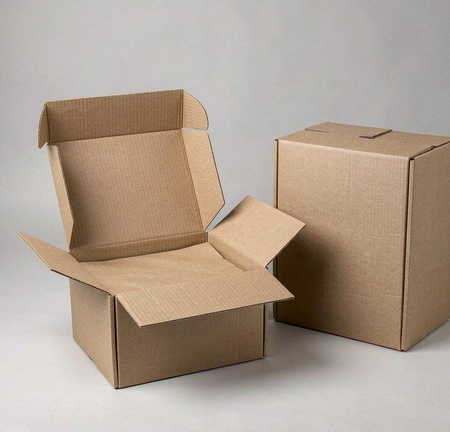
| Corrugated Board | High stacking strength, fluted structure | Heavy gaming headsets, shipping-focused e-commerce packaging | High | Excellent (Widely Recyclable) |
4. Surface Finishing and Box Structural Design
Once the internal hardware is secured, the exterior of the custom printed packaging boxes must be engineered to capture consumer attention and communicate brand value.
Elevating the retail appeal of custom headphone packaging requires combining sturdy exterior structures, such as rigid boxes or folding cartons, with advanced surface finishing like anti-scratch lamination and precision embossing.
Outer Box Structures
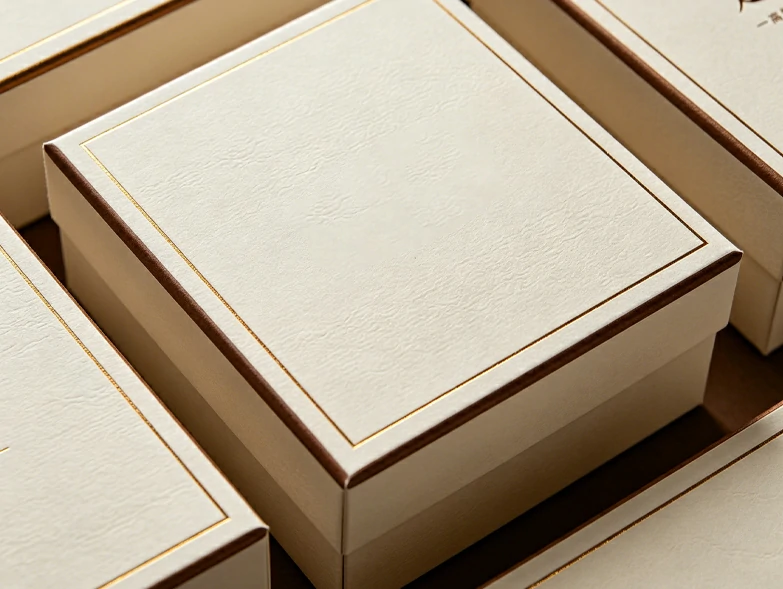
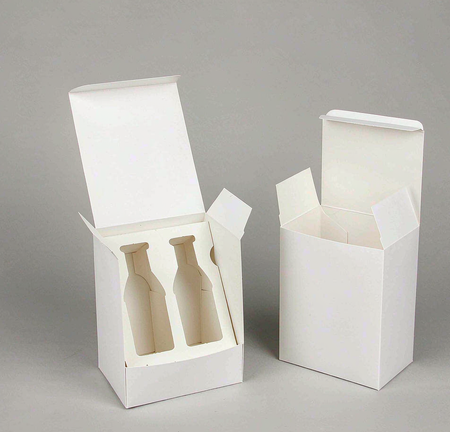
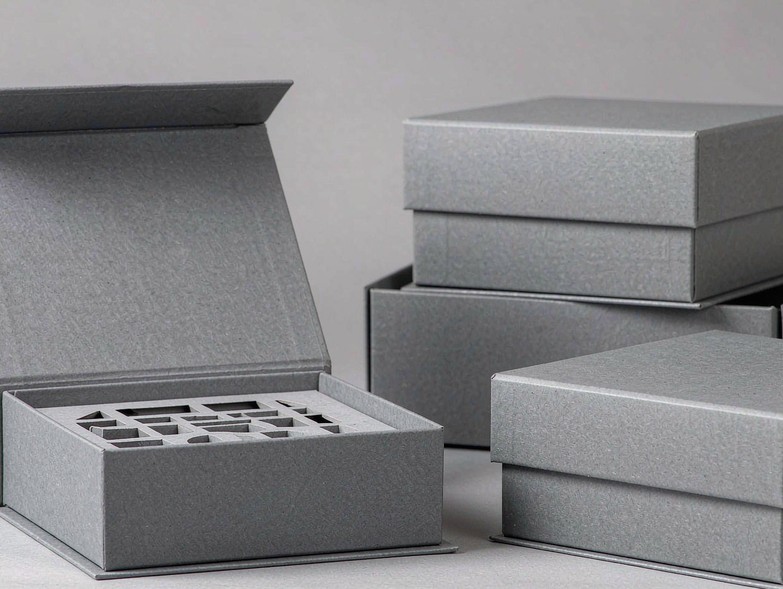
The exterior framework must align with the product’s market tier. For premium wireless headphones and high-end TWS earbuds, rigid boxes (such as magnetic closure boxes or two-piece lid-and-base structures) are highly recommended. These provide a heavy, luxurious tactile feel and exceptional crush resistance. For mass-market or budget-friendly audio products, high-quality folding cartons made from 350gsm–400gsm SBS paperboard offer an excellent balance of retail display aesthetics and cost-effective bulk production.
Advanced Visual Enhancements
To differentiate a product on a crowded retail shelf, brands utilize advanced surface finishes. Custom printing with exact Pantone (PMS) color matching ensures brand consistency. Applying a matte or soft-touch lamination provides a premium, velvety feel, while spot UV coatings can be used to highlight the sleek curves of the earbuds on the outer artwork. Furthermore, deep embossing of the brand logo adds a 3D tactile element that strongly reinforces brand recognition. Discover more about exterior structural customization by exploring advanced electronic packaging capabilities.
5. Preventing Transit Damage with Protective Packaging
The total cost of packaging includes the money saved by preventing defective returns and customer complaints caused by transit damage.
Protective packaging for earbuds mitigates shipping damage by absorbing kinetic energy through custom inserts, ensuring delicate electronic micro-components and glossy hardware survive rigorous global supply chains.
Shock Protection and ISTA Testing
Wireless audio devices are packed with sensitive components, including lithium-ion batteries, micro-drivers, and Bluetooth antennas. If a package is dropped, a standard box transfers the shockwave directly into the device. Custom packaging utilizes protective cushioning layers—like EVA foam or strategically folded corrugated board—to create a “crumple zone.” High-quality OEM electronics packaging solutions are subjected to rigorous physical drop tests (often following ISTA standards) to verify that the internal layout successfully dissipates kinetic energy before it reaches the headphones.
Accessory Organization and Surface Protection
Beyond impact drops, surface abrasion is a major concern. If a USB charging cable is allowed to float freely inside the box, the metal connector will inevitably scratch the polished surface of the earbud charging case. Custom internal designs solve this by physically separating materials, often placing cables beneath a paperboard divider or within a dedicated sub-box.
6. Industry Applications: TWS Earbuds, Over-Ear, and OEM
Different sub-sectors of the audio market require drastically different packaging strategies to succeed.
Different audio products demand tailored packaging approaches; TWS earbuds require compact, highly organized layouts, while premium over-ear headphones need larger, reinforced rigid structures for maximum shelf impact.
Wireless Earbuds Brands (TWS)
True wireless stereo earbuds and charging case bundles require a highly compact structure. Because these products are small, the packaging must utilize space efficiently while maintaining a premium appearance. Custom earbuds packaging helps brands create a clean, theatrical unboxing layout where customers can instantly view the earbuds, the charging case, and the accessories in separate, perfectly framed cavities immediately upon opening the lid.
Premium Wireless Headphones
Over-ear headphones, noise-canceling headphones, and heavy gaming headsets face different challenges. Because of their size and weight, these products require stronger structural support and larger product cavities. Luxury rigid boxes are almost exclusively used for this category. The packaging quality directly affects the perceived value; a heavyweight, magnetically sealed box reassures the buyer of the acoustic quality and engineering of the premium headset inside.
OEM/ODM Audio Product Manufacturers
OEM manufacturers require highly flexible packaging suppliers. Because OEM customers often produce multiple models for different brands, they require a partner capable of executing diverse packaging designs and managing stable repeat production. A reliable factory can design a universal outer box with interchangeable custom inserts, allowing the OEM to support different earbud sizes and accessory layouts without having to completely re-engineer the exterior packaging for every new SKU. Read more about scalable electronic packaging solutions for OEMs.
7. Transitioning to Mass Production
Moving from a conceptual design to a mass-produced custom box requires precise technical communication between the brand and the manufacturer.
To initiate mass production, an electronics packaging manufacturer requires exact product dimensions, accessory counts, and target retail positioning to engineer an accurate prototype before scaling to high-volume manufacturing.
Required Specifications for Prototyping
A professional packaging partner cannot build a custom insert based on guesswork. Before developing Bluetooth headphones packaging, buyers must provide 3D CAD files or physical product samples, alongside a complete list of all accessories included in the bundle. The buyer should also specify the target packaging style (e.g., rigid gift box vs. retail folding carton) and the expected shipping environments. Providing this data allows the factory’s structural engineers to create a precise “white dummy” (unprinted prototype) to verify the physical fit and drop resistance before any printing plates are made.
OEM Scalability and Consistency
For B2B buyers, the ultimate goal is long-term supply stability. True purchasing triggers revolve around a factory’s ability to maintain batch-to-batch consistency. A reliable manufacturer implements strict quality control protocols—including digital colorimetry for ink matching and die-cut tolerance checks—ensuring that the 50,000th box looks and performs exactly like the approved prototype.
Conclusion
Standardized boxes cannot meet the rigorous demands of the modern wireless audio market. To protect fragile components, organize multiple accessories, and deliver a premium retail experience, audio brands must invest in custom earbuds packaging boxes. By partnering with a factory that provides expert structural engineering, diverse material options like EVA foam and eco-friendly paperboard, and flawless surface finishing, brands can drastically reduce transit damage while elevating their product’s perceived value on the shelf.
Ready to upgrade your audio brand’s packaging?
Share your earbuds or wireless headphone product specifications with YongjianBox to develop a customized packaging solution with the right structure, materials, and protection level.
Contact us today to connect with our structural engineering team, request a physical packaging prototype, or receive a detailed manufacturing quotation for your next audio product launch.
Frequently Asked Questions (FAQ)
1. What is the best insert material for high-end TWS earbuds packaging?
For high-end True Wireless Stereo (TWS) earbuds, high-density EVA foam is the industry standard. It provides a premium, smooth aesthetic, can be precision-cut to hold tiny components flawlessly, and offers maximum shock absorption for fragile micro-electronics.
2. Can I use eco-friendly materials for wireless headphones packaging boxes?
Yes. Brands looking for sustainable alternatives can replace foam and plastic inserts with custom molded paper pulp or die-cut Kraft paperboard. When combined with an FSC-certified outer folding carton and soy-based inks, the entire package becomes 100% recyclable and biodegradable.
3. How do you prevent the charging cable from scratching the earbud case in the box?
Custom packaging solves this by creating multi-layered layouts. The earbud case is typically secured in the top layer’s insert, while cables, adapters, and manuals are placed in a physically separated lower compartment or inside a dedicated, smaller paperboard accessory box.
4. What information do I need to provide to get a custom earbuds box prototype?
You will need to provide the exact dimensions (L x W x H) and weight of the earbuds and charging case, a complete list of all included accessories, and either 3D CAD files or physical samples of the product. You should also outline your preference for the outer box style (e.g., rigid box or folding carton).
5. Are rigid boxes or folding cartons better for Bluetooth headphones packaging?
It depends on your retail price point and logistics budget. Rigid boxes offer a luxury unboxing experience and superior crush resistance, making them ideal for expensive, premium headphones. Folding cartons ship flat and cost less to produce, making them perfect for budget-friendly or mass-market audio products.
6. Does the manufacturer handle both the outer box and the custom protective inserts?
Yes. A professional OEM electronics packaging manufacturer provides a one-stop solution. They engineer, print, and manufacture both the exterior box and the internal protective inserts simultaneously, ensuring a perfect dimensional fit between the two components.