Using generic, unbranded packaging severely limits shelf visibility and weakens customer loyalty in the highly competitive food market. To dominate retail shelves and delivery channels, brands must invest in custom printed food boxes that combine food-grade material safety, precise structural engineering, and high-resolution, consistent brand printing. Upgrading your packaging transforms a simple container into a powerful marketing asset.

Table of Contents
- The Strategic Value of Custom Printed Food Boxes
- Structural Customization: Beyond Simple Logo Printing
- Material Selection and Food Safety Compliance
- Advanced Printing Capabilities and Surface Finishing
- Ensuring Printing Quality and Bulk Production Consistency
- Industry Applications: Retail, Bakery, and Takeaway Brands
- Partnering with an OEM Food Packaging Supplier for Scale
1. The Strategic Value of Custom Printed Food Boxes
In the modern culinary and retail landscape, packaging operates on the front lines of consumer engagement.
Custom printed food boxes function as a brand’s most direct marketing tool by transforming ordinary containers into high-visibility assets that display brand logos, nutritional information, and marketing messages to drive retail sales and strengthen customer recognition.
For retail food products, the packaging is often the sole factor influencing a purchasing decision before the customer ever tastes the food. A professionally designed box communicates the brand’s positioning—whether it is a luxury artisanal chocolate or a high-energy health snack. By unifying the visual identity, brand colors, and product instructions across all packaging formats, food brands create a consistent, trustworthy customer experience that spans physical supermarket shelves, direct-to-consumer e-commerce shipments, and third-party delivery channels.
2. Structural Customization: Beyond Simple Logo Printing
Slapping a logo onto a standard square box is insufficient for brands seeking true market differentiation and operational efficiency.
True structural customization for branded food packaging involves engineering specific box dimensions, die-cut windows, and folding mechanisms tailored to the food product’s physical requirements, ensuring both aesthetic differentiation and reliable protection during transit.
A professional packaging supplier evaluates how the food is processed, stored, and served to develop the optimal structure.
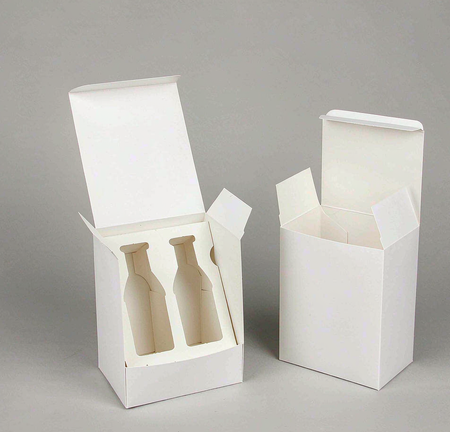
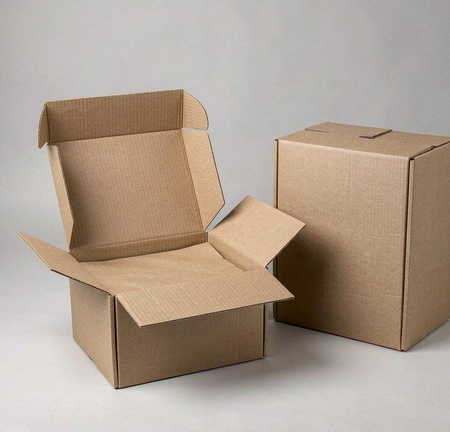
- Folding Food Boxes: Highly efficient for mass production and ideal for snacks and bakery products. They ship flat to reduce logistics costs and are quick to assemble on the production line.
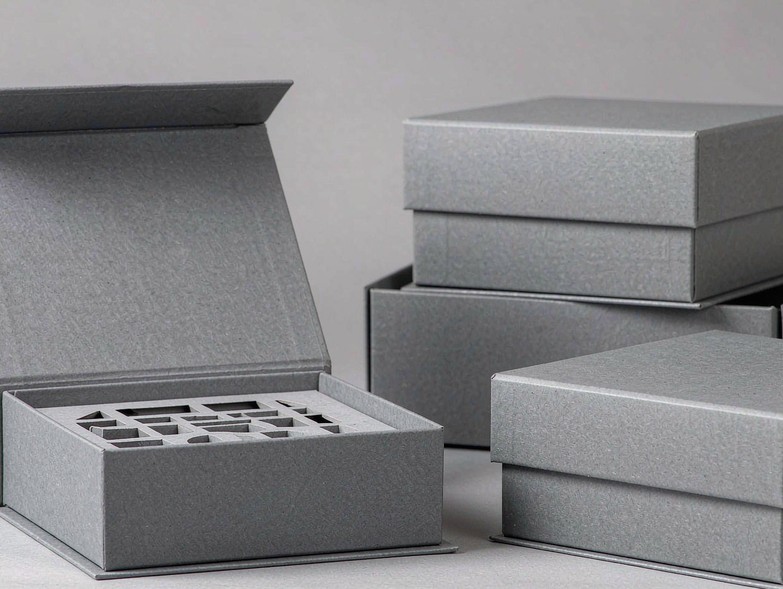
- Die-Cut Food Boxes: Used for specialty retail food packaging boxes. These structures allow for unique geometries, custom inserts to hold fragile products securely, and transparent PET window cut-outs that showcase the food inside, driving impulse purchases.
- Takeaway Food Boxes: Engineered specifically for restaurants and catering businesses, these structures prioritize rapid assembly, secure locking mechanisms (like crash-lock bottoms or interlocking tabs), and structural stability to prevent crushing during delivery.
Integrating precise structural engineering with custom food packaging boxes ensures the packaging is optimized for both automated packing lines and the final consumer experience.
3. Material Selection and Food Safety Compliance
The substrate of a food box dictates its performance under thermal and chemical stress. An incorrect material choice leads to grease leakage, moisture collapse, and potential food safety violations.
Selecting the right material for custom printed food boxes requires matching the substrate—such as eco-friendly kraft paperboard, smooth white cardboard, or coated paperboard—with the product’s specific moisture, grease, and temperature profiles to guarantee food safety.
Procurement teams must carefully assess their product’s physical state (hot, cold, dry, or oily) before finalizing a material. A reliable supplier provides substrates that are certified safe for direct food contact.
Food Box Material Technical Comparison
| Material Type | Technical Characteristics | Key Performance Attributes | Suitable Food Applications |
| Kraft Paperboard | Unbleached, virgin wood pulp, natural brown appearance | High tear resistance, breathable, supports sustainable brand image | Organic food, artisan bakery, dry snacks, eco-takeaway |
| White Cardboard (SBS) | Solid Bleached Sulfate, smooth white surface | Superior ink holdout, excellent for high-resolution CMYK graphics | Retail food brands, desserts, premium packaged snacks |
| Coated Paperboard | PE or PLA laminated interior lining | Maximum moisture and grease barrier, prevents structural collapse | Burgers, fried foods, wet ready-to-eat meals |
| Corrugated Paperboard | Fluted inner core (e.g., E-flute or F-flute) | Exceptional crush resistance and thermal insulation | Heavy catering platters, pizza boxes, shipping-focused foods |
4. Advanced Printing Capabilities and Surface Finishing
Retail shelves are crowded. To capture a consumer’s attention within milliseconds, food packaging must utilize high-fidelity graphics and engaging tactile finishes.
To elevate custom logo food boxes, manufacturers utilize high-resolution offset printing paired with advanced surface finishes like matte coating, spot UV, and hot foil stamping, creating a premium tactile experience that stands out on retail shelves.
Comprehensive Print Data Management
Retail packaging must balance aesthetics with strict regulatory compliance. A professional supplier’s prepress department ensures that brand colors are vibrant while guaranteeing that mandatory product information—such as ingredient lists, allergen warnings, nutritional facts, and high-contrast barcode areas—is printed with absolute clarity to meet FDA or local regulatory standards.
Surface Finishing for Brand Differentiation
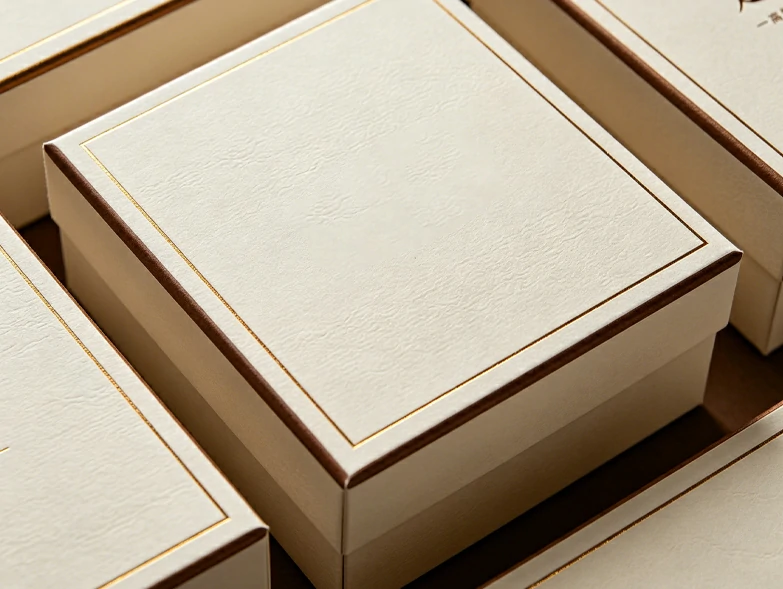
Secondary surface treatments dramatically alter brand perception. Applying a gloss coating offers a clean, vibrant, and moisture-resistant finish ideal for frozen foods. Conversely, a matte coating provides a sophisticated, natural look. For premium, gift-style food products (like seasonal chocolates or specialty teas), brands employ hot foil stamping to add metallic accents and embossing to create a 3D tactile effect. Integrating these finishes into sustainable food packaging boxes allows brands to command a higher retail price point.
5. Ensuring Printing Quality and Bulk Production Consistency
For franchise restaurants and large-scale food manufacturers, a slight color variation across different packaging batches can dilute brand equity and appear unprofessional.
For wholesale food boxes, maintaining bulk production consistency relies on strict color management using spectrophotometers and robust quality control protocols to prevent batch-to-batch color variations and structural defects.
When evaluating a supplier, brands must scrutinize their mass manufacturing protocols. A professional facility utilizes advanced offset printing presses equipped with digital colorimetry. This ensures that the exact Pantone (PMS) shade of your brand logo remains consistent (maintaining a Delta E variance of less than 2.0) whether you order 10,000 units in January or 500,000 units in November. Furthermore, automated die-cutting and gluing machines are continuously monitored to ensure precise dimensional accuracy, guaranteeing that every box folds perfectly without cracking or tearing.
6. Industry Applications: Retail, Bakery, and Takeaway Brands
A versatile packaging manufacturer adapts their engineering and printing techniques to solve the specific operational challenges of different food sectors.
Custom printed food boxes are highly adaptable across sectors; bakeries utilize windowed premium cartons, takeaway restaurants require grease-resistant fast-assembly boxes, and retail food manufacturers need high-impact shelf packaging with strict barcode compliance.
- Bakery and Dessert Brands: Cakes, cookies, and pastries are delicate and rely heavily on visual appeal. Custom printed bakery boxes often feature intricate die-cut window cut-outs backed by food-safe PET film, allowing consumers to see the product. The packaging protects the frosting and structure while reinforcing a premium customer experience.
- Restaurant and Takeaway Brands: For fast food, burgers, and sandwiches, operational speed is critical. Custom takeaway food boxes are engineered with interlocking mechanisms that allow kitchen staff to assemble them in seconds. The interior is coated for grease resistance, while the exterior features bold, custom branding that transforms every delivery into a mobile billboard.
- Retail Food Manufacturers: Snack and specialty food brands selling in supermarkets require packaging that provides long-term shelf stability. These boxes prioritize high-resolution printing to communicate product value clearly and require tight structural tolerances to stack efficiently on retail shelves without collapsing.
7. Partnering with an OEM Food Packaging Supplier for Scale
Emerging food brands eventually outgrow small, short-run packaging solutions and require a manufacturing partner capable of supporting aggressive commercial expansion.
Choosing an experienced OEM food packaging solutions provider ensures brands receive end-to-end support, from initial CAD structural design and material recommendation to stable, scalable mass production that meets long-term supply chain demands.
A true factory partner does more than just apply ink to paper. High-value clients—such as restaurant chains and retail food brands—need a supplier who acts as an extension of their supply chain. A capable printed food boxes manufacturer provides comprehensive packaging optimization, helping brands reduce material waste, lower unit costs during large production runs, and ensure uninterrupted delivery stability. By collaborating with a direct manufacturer, food brands secure the flexible design support and reliable bulk manufacturing capacity necessary to scale their product lines confidently into national or global markets.
Conclusion
Custom printed food boxes are a vital strategic investment that bridges the gap between product protection and brand marketing. Whether you require grease-proof takeaway containers that assemble in seconds, eco-friendly kraft boxes for organic snacks, or high-end retail packaging that commands attention on supermarket shelves, the right structural design and printing consistency are paramount. By partnering with a dedicated OEM supplier, food brands can guarantee food-safe materials, impeccable color accuracy, and scalable production that elevates their market presence.
Ready to upgrade your food packaging?
Share your food product details, packaging requirements, and expected order volume with YongjianBox to create a custom printed food box solution for your brand.
Contact us today to consult with our packaging engineers and receive a precise quotation for your bulk manufacturing needs.
Frequently Asked Questions (FAQ)
1. Are the inks and materials used for custom printed food boxes food-safe?
Yes. A professional packaging manufacturer uses certified food-grade paperboard and prints with soy-based or water-based inks that contain no toxic chemicals or heavy metals, ensuring complete compliance with FDA and international food safety standards.
2. How do I ensure my brand colors are printed accurately across different orders?
To maintain brand consistency, provide your supplier with exact Pantone (PMS) color codes. The manufacturer will use advanced digital spectrophotometers during the printing process to match these codes precisely, keeping the color variance (Delta E) strictly controlled across every bulk order.
3. What is the best material for greasy or wet takeaway foods?
For foods with high oil or moisture content, standard paperboard is insufficient. You should use Kraft or White Cardboard that is lined on the inside with a food-safe PE (Polyethylene) coating or an eco-friendly PLA (Polylactic Acid) film to provide an impenetrable grease and moisture barrier.
4. Can you print custom instructions or barcodes on the food boxes?
Absolutely. Custom printing allows you to utilize every surface of the box. You can print bold brand graphics on the exterior, while utilizing the side panels or bottom for high-contrast barcodes, mandatory nutritional information, ingredients, and preparation instructions.
5. What is the typical MOQ (Minimum Order Quantity) for custom retail food packaging boxes?
Due to the setup costs of custom cutting dies and printing plates, the standard MOQ for offset printed food boxes usually ranges from 1,000 to 3,000 units. Ordering higher quantities (wholesale volumes) significantly reduces the cost-per-unit.
6. Do you provide structural samples before mass production begins?
Yes. Before committing to a bulk order, a professional manufacturer will provide a physical “white dummy” (an unprinted prototype) for you to test the box’s size, folding structure, and product fit. Once approved, a fully printed sample can also be produced to verify color and finish.