Using substandard packaging for high-value products instantly degrades brand perception and disappoints target consumers. To create a premium brand experience, businesses must invest in custom gift box packaging engineered from high-density rigid board, specialty textured papers, and advanced surface finishes that perfectly align with their product’s luxury positioning and protection requirements.

Table of Contents
- The Strategic Role of Custom Gift Box Packaging
- Evaluating Gift Box Materials Selection for Premium Brands
- Structural Customization in Premium Gift Box Packaging
- Advanced Surface Finishing for Luxury Gift Packaging Materials
- Balancing Cost, Brand Value, and Target Customer Expectations
- Industry Applications: Luxury, Electronics, and Corporate Gifting
- Choosing a Custom Gift Boxes Manufacturer for OEM Solutions
1. The Strategic Role of Custom Gift Box Packaging
For premium products, packaging has evolved far beyond its fundamental role as a protective container. It is now a critical asset for brand communication, directly shaping the customer’s initial perception of product value.
Custom gift box packaging serves as the critical first physical touchpoint between a brand and a consumer, transforming standard containers into powerful marketing tools that elevate perceived product value, drive customer loyalty, and deliver a memorable unboxing experience.
When customers receive a gift or a high-end product, the tactile and visual quality of the packaging creates the first impression before they even interact with the product itself. If the packaging feels flimsy or lacks visual refinement, the perceived value of the enclosed item plummets. Conversely, heavy, well-constructed packaging signals exclusivity and high manufacturing standards. This psychological anchoring is why many luxury brands invest heavily in branded gift packaging. By controlling the exact style, color palette, logo presentation, and interior protection design, brands ensure that their packaging precisely reflects their market positioning and meets the high expectations of their target demographic.
2. Evaluating Gift Box Materials Selection for Premium Brands
The foundation of any high-end packaging solution lies in its physical composition. Different materials trigger distinct psychological responses and brand perceptions.
Proper gift box materials selection requires matching the substrate to the brand’s identity; rigid greyboard provides maximum luxury and durability, while unbleached Kraft paper effectively communicates a brand’s commitment to sustainability and natural aesthetics.
Choosing the right base material dictates the structural integrity and the types of finishing processes that can be applied. A professional manufacturer does not apply a one-size-fits-all solution; instead, they engineer custom gift box packaging based on the product’s specific demands.
Core Packaging Materials and Brand Perception
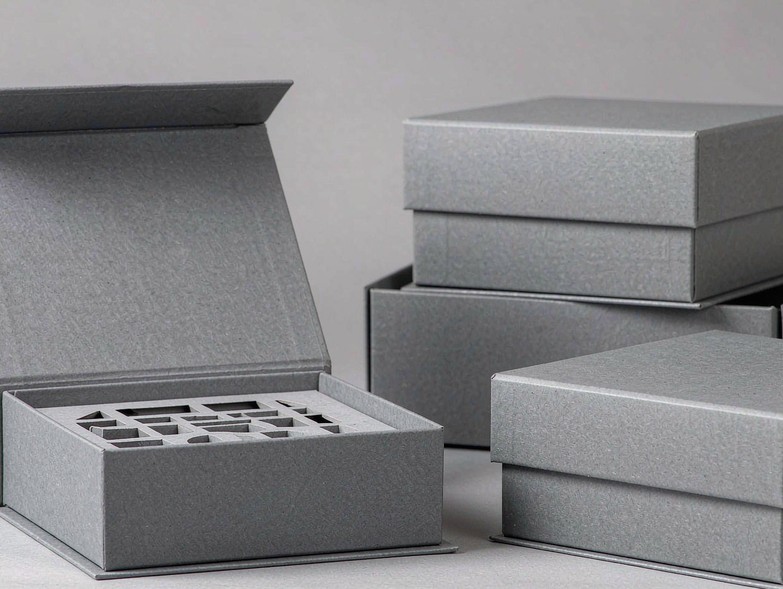
- Rigid Board (Greyboard): Ranging typically from 1mm to 3mm in thickness (800gsm to 1500gsm), rigid board is the undisputed standard for high-end product packaging. It does not collapse, offers superior impact resistance, and provides the heavy tactile feel associated with luxury.
- Art Paper (Coated Paper): Often used as the exterior wrapping for rigid boards, art paper (typically 128gsm to 157gsm) offers a perfectly smooth surface. It provides the highest flexibility for custom full-color printing, ensuring brand colors are replicated with exact Pantone precision.
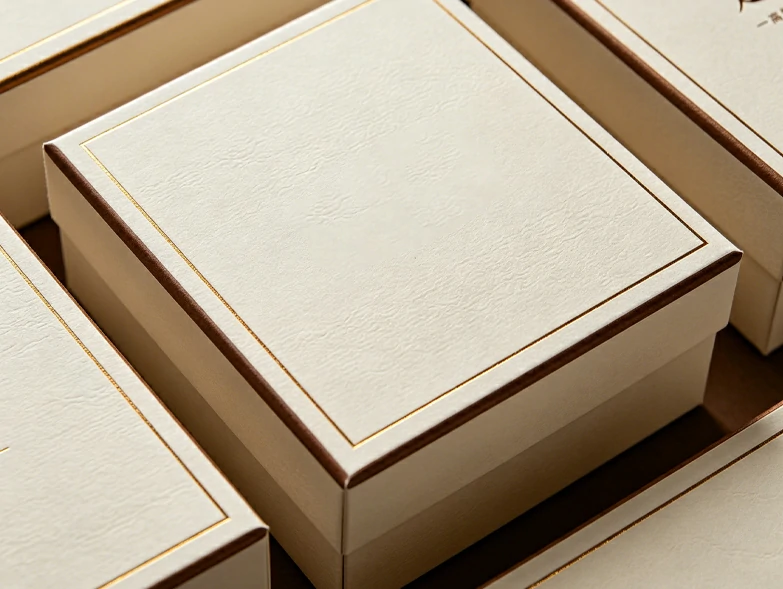
- Specialty Textured Paper: For brands looking to create a unique tactile experience, specialty papers with embossed linen, leather, or metallic textures are utilized. These materials instantly differentiate the product on the retail shelf.
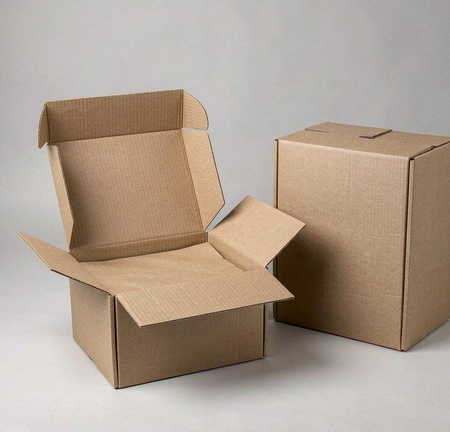
- Kraft Paper: In the modern retail landscape, sustainable gift packaging is highly sought after. Kraft paper offers a rustic, unbleached, and natural appearance that strongly resonates with eco-conscious consumers while maintaining excellent tear resistance.
Material Selection and Application Comparison
| Material Type | Technical Characteristics | Brand Image & Perception | Suitable Applications |
| Rigid Board / Greyboard | Extremely strong structure, zero flexibility, excellent shape retention. | Ultimate luxury, durability, and premium market positioning. | Luxury gifts, fine jewelry, electronics, premium cosmetics. |
| Art Paper Wrapped Board | Smooth surface, high ink holdout, flexible for high-resolution graphics. | Refined, professional, and visually vibrant. | Branded gift boxes, seasonal collections, retail packaging. |
| Specialty Textured Paper | Engineered surface textures (linen, wood, leather), high tactile engagement. | Exclusive, bespoke, and highly differentiated. | High-end fashion accessories, limited-edition collections. |
| Kraft Paper | Unbleached wood pulp, high tensile strength, biodegradable. | Organic, eco-friendly, and sustainable brand values. | Natural skincare, organic foods, sustainable product packaging. |
| Corrugated Paperboard | Fluted inner layers, high crush resistance, lightweight. | Practical, protective, and cost-conscious. | Heavy bulk items, large-volume corporate gifting, e-commerce. |
3. Structural Customization in Premium Gift Box Packaging
The physical architecture of the box dictates the theatricality of the unboxing experience and the level of protection afforded to the product.
Premium gift box packaging utilizes diverse structural designs—such as magnetic closures, rigid lid-and-base formats, and drawer styles—paired with custom protective inserts to ensure an engaging opening experience and complete product immobilization.
Rigid Gift Box Styles
The engineering of a rigid box significantly impacts the consumer’s interaction with the product.
- Lid and Base Boxes: Also known as telescopic boxes, these feature a separate top and bottom. The friction fit between the lid and base can be calibrated to create a slow, satisfying release of air as the lid is lifted, a hallmark of luxury packaging.
- Magnetic Closure Boxes: Constructed from a single piece of rigid board, these boxes feature a hinged lid with hidden integrated magnets that snap shut with a reassuring “click.” They are highly reusable, extending the lifecycle of the brand’s presence in the consumer’s home.
- Drawer Boxes: Operating like a matchbox with an outer sleeve and an inner sliding tray (often equipped with a ribbon pull), these structures offer a unique reveal mechanism ideal for chocolates, cosmetics, and jewelry.
Internal Custom Functional Features
To secure comprehensive premium gift box packaging, the interior must match the exterior’s quality. A professional supplier integrates custom product inserts—such as die-cut EVA foam, velvet-lined blister trays, or molded paper pulp—to hold the product flawlessly in place. Additional features like ribbon handles, multi-level compartments, and protective padding elevate the functionality and visual presentation of the interior layout.
4. Advanced Surface Finishing for Luxury Gift Packaging Materials
Base materials provide the structure, but secondary manufacturing processes deliver the visual impact that captures consumer attention.
Advanced surface finishing transforms standard materials into luxury gift packaging materials by utilizing techniques such as hot foil stamping, multi-level embossing, and spot UV coating to create striking visual contrast and premium tactile textures.
Printing and Lamination
The first step in surface finishing is the application of ink and protective films. High-quality custom printed gift boxes utilize full-color offset printing to render precise brand graphics and custom patterns. Following printing, lamination is applied to protect the ink and alter the paper’s finish. Matte lamination provides a subdued, elegant look, while gloss lamination makes colors pop. For the ultimate premium feel, soft-touch lamination is applied, giving the paperboard a luxurious, velvet-like texture.
Embellishments and Tactile Finishes
To create stronger visual differentiation and improve shelf presentation, manufacturers deploy advanced embellishments.
- Hot Foil Stamping: Using heat and pressure, metallic foils (gold, silver, copper, or holographic) are bonded to the paper, creating a highly reflective, premium accent for logos and typography.
- Embossing and Debossing: These mechanical processes press a 3D relief into the paperboard, allowing the brand logo to be physically raised (embossed) or sunken (debossed).
- Spot UV Coating: This technique applies a clear, high-gloss varnish to specific areas of a matte box, creating a striking contrast that catches the light and draws the eye to key brand elements.
5. Balancing Cost, Brand Value, and Target Customer Expectations
Choosing the right gift box material is not simply a matter of selecting the most expensive, heavy-duty option available in the factory catalog.
Brands must balance premium positioning with practical business factors by evaluating product weight, shipping requirements, production volume, and target customer expectations to select a cost-effective, high-impact packaging material.
Strategic Material Selection Considerations
A professional gift packaging manufacturer helps brands navigate the complex matrix of material selection. Procurement teams must evaluate several critical factors:
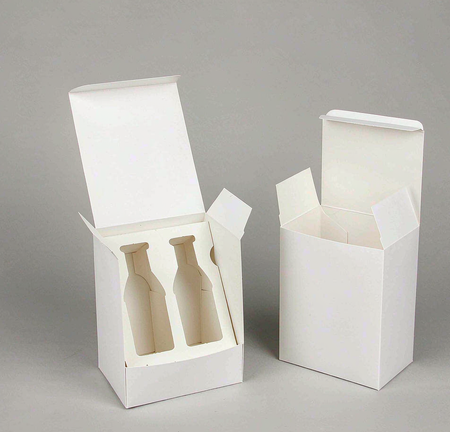
- Product Factors: A heavy glass perfume bottle requires a thick, 3mm rigid board and high-density foam inserts to prevent shattering. Conversely, a lightweight silk scarf can be elegantly presented in a thinner art paper envelope or a lighter folding carton.
- Brand and Retail Factors: The packaging must align with the target market and retail environment. If the brand promotes environmental consciousness, utilizing heavy plastics and non-recyclable metallic films contradicts the brand message, making sustainable gift packaging the superior choice.
- Business Factors: Budget and logistics dictate structural viability. Rigid boxes are shipped pre-assembled, which demands significant warehouse space and increases freight costs. If a brand is ordering 100,000 units for a global rollout, collaborating with a supplier to optimize the structure—such as utilizing foldable rigid boxes that ship flat—can save millions in logistics costs while maintaining a premium aesthetic.
6. Industry Applications: Luxury, Electronics, and Corporate Gifting
Different product categories carry distinct consumer expectations, requiring highly specialized OEM gift packaging solutions tailored to the industry’s unique demands.
A capable manufacturer adapts custom gift boxes to specific industries, providing highly decorated rigid boxes for luxury cosmetics, clean and protective structural layouts for consumer electronics, and consistent branded solutions for corporate gifting.
Luxury Consumer Product Packaging
For premium cosmetics, high-end fragrances, fine jewelry, and luxury fashion accessories, the packaging is an integral part of the product. Rigid gift boxes with premium finishes are the definitive choice. These structures provide a strong luxury perception and an unparalleled unboxing experience. Furthermore, the durability of these rigid boxes encourages consumers to repurpose them for home storage, generating long-term, reusable packaging value that keeps the brand visible.
Electronics Gift Packaging
The packaging for wireless earbuds, smart devices, and electronic accessories requires a precise balance of aesthetic appeal and rigorous physical protection. Electronic brands demand clean internal organization to manage cables, manuals, and the main device without visual clutter. Custom gift boxes combined with precision-cut EVA foam or molded pulp inserts help electronic brands create a highly professional retail experience while eliminating the risk of transit damage. Explore specialized structures through advanced OEM gift packaging solutions.
Corporate Gift Packaging
Corporate gifting involves promotional gifts, business VIP sets, and customized brand collections. Companies require packaging that projects a professional appearance and maintains absolute consistency with corporate branding guidelines. Custom printing capability is paramount here, as the packaging must clearly display the company’s logo and messaging. Custom gift boxes allow corporations to strengthen brand recognition and foster goodwill with critical B2B clients and employees.
7. Choosing a Custom Gift Boxes Manufacturer for OEM Solutions
Identifying the right material is only half the battle; partnering with a facility capable of executing your vision flawlessly at scale is the true key to supply chain success.
A professional custom gift boxes manufacturer acts as a complete solutions provider—offering expert material recommendations, structural engineering, advanced surface finishing, and strict quality control for scalable mass production.
B2B buyers are not simply looking to buy empty boxes; they are looking for a reliable partner to solve complex design, material, and production challenges. A high-value manufacturer provides end-to-end service. They guide brands away from costly structural mistakes, provide unprinted and fully printed physical prototypes for approval, and possess the automated machinery required to support bulk production capability.
By working directly with a factory rather than a trading company, brands secure OEM customization support, ensure stable batch-to-batch consistency, and maintain strict control over their packaging costs while achieving the premium, high-end presentation their products deserve.
Conclusion
The materials and structures you choose for your custom gift box packaging directly dictate how consumers value your product. From the unyielding luxury of rigid greyboard and the tactile intrigue of specialty textured papers to the eco-conscious appeal of Kraft paper, every material decision shapes your brand’s narrative. By carefully balancing aesthetic finishes like foil stamping and embossing with structural requirements and production budgets, you can engineer a packaging solution that protects your product while delivering an unforgettable premium brand experience.
Ready to elevate your product’s perceived value with premium packaging?
Share your product details, target market, and packaging requirements with YongjianBox to develop a custom gift box solution that matches your brand positioning and budget. Contact us today.
Frequently Asked Questions (FAQ)
1. What are the best materials for luxury gift packaging?
The most effective material for luxury packaging is high-density rigid board (often 1mm to 3mm thick), also known as greyboard. When wrapped in premium coated art paper, soft-touch laminations, or specialty textured papers, it provides the structural weight and flawless aesthetic finish expected from high-end brands.
2. Are custom rigid gift boxes environmentally friendly?
They can be highly sustainable if engineered correctly. Brands can request rigid boxes made from 100% recycled post-consumer greyboard cores, wrapped in FSC-certified or unbleached Kraft paper, and printed with soy-based inks, ensuring the premium packaging aligns with eco-friendly values.
3. How do surface finishes impact the cost of custom printed gift boxes?
Standard full-color (CMYK) printing and basic aqueous coatings are highly cost-effective. However, adding secondary processes like hot foil stamping, multi-level embossing, or spot UV coating requires additional manufacturing steps, specialized metal dies, and precise machine calibration, which increases the unit cost and setup fees.
4. Can I customize the internal inserts of branded gift packaging?
Yes. A professional packaging manufacturer will engineer custom inserts specifically for your product’s dimensions. Options include die-cut EVA foam, velvet-lined plastic blister trays, die-cut paperboard, and molded paper pulp, ensuring your product is both beautifully presented and perfectly immobilized.
5. How does product weight influence gift box materials selection?
Product weight dictates the required thickness and structural integrity of the packaging material. A heavy bottle of liquor or a large glass cosmetic jar requires a thick rigid board and a dense internal insert to prevent the box from bowing or tearing. Lightweight items, like apparel or thin electronics, can safely utilize thinner, more cost-effective folding cartons.
6. What is the difference between a lid-and-base box and a magnetic closure box?
A lid-and-base (telescopic) box consists of two completely separate pieces—a bottom tray and a top lid that slides over it. A magnetic closure box is constructed from a single continuous piece of rigid board with a hinged lid that folds over and snaps shut using concealed magnets, offering a highly reusable, book-like opening experience.