Selecting the wrong packaging substrate leads to tarnished metals, scratched gemstones, and a cheapened brand image that destroys consumer trust. Our Custom Packaging Selection Guide covers the full material, structure, and supplier decision process. To choose the right jewelry box material, procurement teams must evaluate the product type, required shock protection, and brand positioning, matching a rigid structural core with premium exterior coverings like specialty paper or PU leather, and a scratch-resistant internal insert. The ideal material is not simply the most expensive option; it is the engineered combination that secures the jewelry while elevating its perceived retail value.
Material selection is only the first of three connected decisions in a complete jewelry packaging strategy—the others being price-tier alignment and production timeline. For the full framework that connects all three, see our complete guide to custom jewelry packaging.

Table of Contents
- The B2B Framework for Jewelry Box Material Selection
- Engineering the Core: Rigid Paperboard and Structural Materials
- Exterior Coverings: Specialty Paper, Fabric, and PU Leather
- Internal Protection: Custom Inserts for Rings and Necklaces
- Evaluating Jewelry Box Material for Shipping and Logistics
- Matching Material to Fine Jewelry vs Fashion Jewelry
- Avoiding Expensive Procurement Mistakes with Expert Prototyping
1. The B2B Framework for Jewelry Box Material Selection
In the luxury packaging sector, there is no universal “best material.” Attempting to select a substrate based solely on aesthetic preference or the lowest unit cost is a flawed procurement strategy.
Proper jewelry box material selection requires a holistic B2B framework that evaluates product fragility, shipping environment, target budget, and brand positioning to determine the exact combination of outer shell, exterior wrapping, and internal insert.
When B2B buyers search for the best material for jewelry packaging, they must realize that a box is an engineered system, not a single monolithic block. The exterior material dictates the tactile brand experience and compatibility with surface finishes (like foil stamping), while the internal material dictates product immobilization and scratch resistance. For instance, a heavy luxury watch requires a completely different material architecture than a delicate silver necklace. By analyzing the product’s physical demands first, brands can avoid over-engineering a box for costume jewelry or, conversely, under-protecting high-value diamonds.
Material Selection Matrix
| Selection Factor | What to Evaluate Before Material Selection | Impact on Material Choice |
| Jewelry Type | Is it a ring, necklace, heavy bracelet, or jewelry set? | Dictates the depth of the box and the required density of the insert. |
| Product Value | Fashion jewelry vs. premium fine jewelry. | Determines if cost-efficient paperboard or premium wrapped structures are needed. |
| Protection | Scratch, movement, impact, and moisture risks. | Drives the choice of internal lining (e.g., velvet vs. standard paper). |
| Brand Positioning | Accessible, premium, luxury, or heritage brand. | Influences the exterior tactile experience (e.g., smooth coated vs. textured PU leather). |
| Visual Identity | Color requirements, logo placement, and finishing. | Dictates if the material can support deep embossing or hot foil stamping. |
| Shipping & E-commerce | Weight, dimensional volume, and transit environment. | Requires balancing structural rigidity against international freight costs. |
2. Engineering the Core: Rigid Paperboard and Structural Materials
The foundation of any high-end box is its structural core. Without a rigid foundation, premium exterior wrappings will eventually warp or collapse under pressure.
For custom jewelry box materials, rigid paperboard (greyboard) is the industry standard core because it provides exceptional structural stability, maintains sharp edges, and perfectly supports premium external wrappings without adding excessive weight.
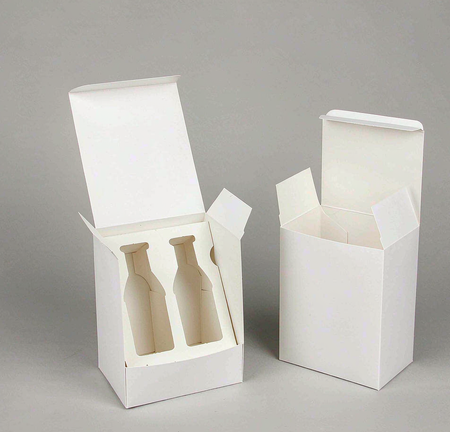
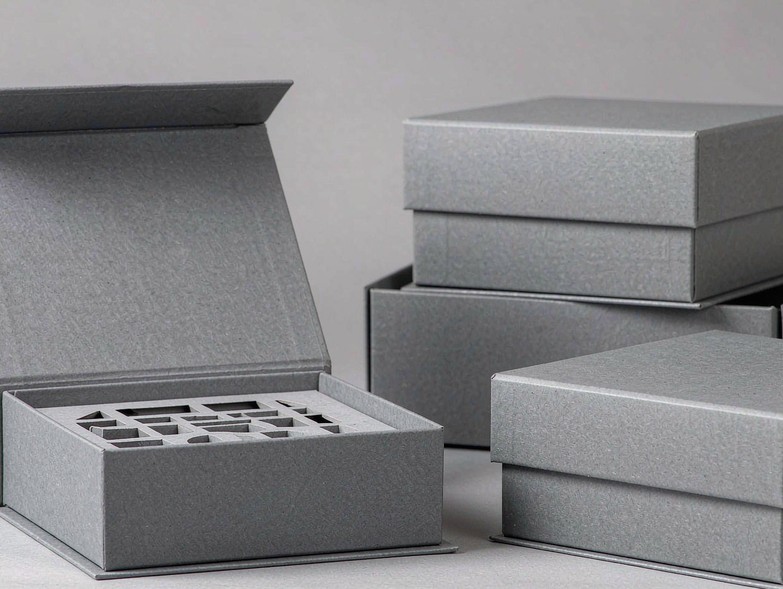
A professional manufacturer of jewelry and luxury goods packaging rarely uses single-layer folding cartons for premium jewelry. Instead, they utilize rigid paperboard, typically ranging from 1,200 GSM to 2,500 GSM. This dense core is precision-cut using V-groove machinery to create exact 90-degree corners. While wood-based structures exist at the extreme high end of the market, they are heavy, expensive to ship, and lack mass-production scalability. Rigid paperboard offers the perfect balance: it provides the heavy, premium tactile feel associated with luxury while remaining highly adaptable to various box architectures, such as magnetic closure, drawer, or classic two-piece lid-and-base structures.
3. Exterior Coverings: Specialty Paper, Fabric, and PU Leather
The material that wraps the rigid core is the first physical touchpoint between the brand and the consumer. It dictates the visual identity and the tactile quality of the unboxing experience.
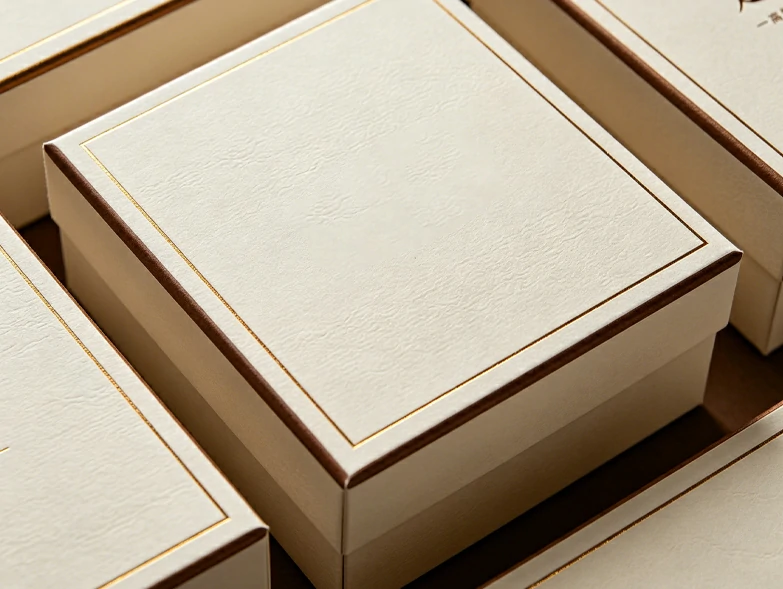
Luxury jewelry box materials utilize exterior coverings such as specialty textured paper, premium fabric, or PU leather to create distinct tactile experiences and support advanced branding finishes like hot foil stamping.
- Specialty Paper: This is the most versatile option. Specialty papers can be manufactured to mimic the texture of linen, woodgrain, or leather. They offer the greatest flexibility for precise color matching (Pantone) and are highly compatible with intricate hot foil stamping and embossing.
- Fabric and Velvet: Wrapping a box in velvet, silk, or high-grade cotton instantly communicates heritage and luxury. These materials provide a soft, premium tactile experience but require highly specialized manufacturing to prevent glue seepage during assembly.
- PU Leather: Polyurethane leather offers the sophisticated look and durability of genuine leather without the associated cost or ethical concerns. It is highly resistant to surface abrasions and provides a substantial, heavy feel ideal for luxury watch boxes or high-value bridal sets.
4. Internal Protection: Custom Inserts for Rings and Necklaces
A premium exterior covering cannot compensate for a poorly designed internal insert. The interior material must immobilize the jewelry to prevent impact damage while offering a scratch-free contact surface.
Choosing jewelry box material for different products requires matching the jewelry type to the correct insert; rings require dense foam slots for stability, while necklaces require specialized velvet-lined cavities to prevent chain tangling.
When procuring jewelry and luxury goods packaging, the insert is just as critical as the outer shell.
- Rings and Earrings: The primary requirement is absolute stability. A high-density EVA foam core, wrapped in plush velvet or microfiber, provides the necessary friction to hold a ring perfectly upright during transit and retail display.
- Necklaces and Chains: The risk of chain tangling is high. Necklace inserts typically require a rigid structural backing (like die-cut paperboard) covered in velvet, featuring precise slits and hidden rear compartments to secure the excess chain out of sight.
- Bracelets and Watches: These heavy items require larger internal spaces and rigid internal pillows (often satin or microfiber) to maintain the shape of the jewelry and prevent it from crashing against the walls of the box.
5. Evaluating Jewelry Box Material for Shipping and Logistics
Material selection cannot be based solely on how the box looks under a brightly lit retail display case. It must survive the harsh realities of the global supply chain.
When selecting jewelry box material for shipping, B2B buyers must balance the need for luxury aesthetics against overall package weight and structural rigidity to prevent transit damage and control e-commerce logistics costs.
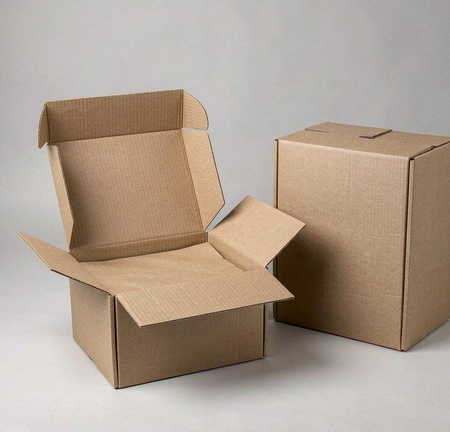
For e-commerce jewelry brands, the shipping environment introduces severe shock and vibration. A heavy, solid wood box may look premium, but it drastically inflates international dimensional weight (DIM) shipping costs and requires excessive outer protective packaging to prevent it from shattering. Conversely, a rigid paperboard box wrapped in specialty paper provides excellent vertical crush resistance while remaining relatively lightweight. The best material is the combination that delivers flawless presentation upon arrival without unnecessarily inflating your sea-freight or domestic courier budget.
6. Matching Material to Fine Jewelry vs Fashion Jewelry
Procurement teams must align their material investments with the retail price point of the jewelry inside to maintain healthy profit margins.
Material selection must align with product value; fashion jewelry utilizes cost-efficient printed paperboard for scalable branding, while fine jewelry demands rigid structures wrapped in velvet or PU leather to match its luxury price point.
- Fine Jewelry / High-Value Jewelry: For diamonds, gold, and heritage pieces, the packaging must echo the permanence of the product. The focus is on a rigid structure, premium exterior coverings, and meticulously customized protective inserts. The brand presentation must be flawless, utilizing heavy materials that provide a substantial unboxing experience.
- Fashion Jewelry: Fashion and costume jewelry operate on higher volumes and lower margins. These brands require packaging that balances appearance, customization, unit cost, and production efficiency. Utilizing a rigid paperboard core wrapped in a visually striking, custom-printed specialty paper provides excellent brand differentiation without the exorbitant costs associated with PU leather or fabric wrappings.
7. Avoiding Expensive Procurement Mistakes with Expert Prototyping
B2B buyers frequently make the mistake of approving mass production based on digital 3D renderings rather than physical material interaction.
To ensure the chosen jewelry packaging material meets brand standards, buyers must partner with a factory that provides rapid physical sampling, allowing teams to test tactile quality, structural fit, and finish compatibility before mass production.
The right jewelry box material is not inherently the most expensive one; it is the material that delivers the required protection, presentation, and durability at an appropriate total cost. You cannot accurately judge the softness of a microfiber insert or the reflectivity of a foil-stamped logo on a computer screen.
Yongjian supports informed procurement by offering low Minimum Order Quantities (MOQs) and rapid 3-day sampling for jewelry and luxury goods packaging. This allows new jewelry brands, or established brands launching seasonal collections, to physically test the interaction between their jewelry and the custom insert. Requesting physical material samples and approving a final structural prototype is the only reliable way to guarantee that your material choices will successfully elevate your brand’s retail presence.
Conclusion
Choosing the right jewelry box material is a strategic engineering decision that blends aesthetic brand identity with rigorous physical protection. B2B buyers must evaluate the complete packaging system—pairing a sturdy rigid paperboard core with premium exterior wrappings like specialty paper or PU leather, and a custom-engineered, scratch-resistant internal insert. By matching the material density and finishes to the specific product type, shipping environment, and retail price point, brands can secure packaging that prevents transit damage while delivering an unforgettable luxury unboxing experience.
Ready to select the perfect materials for your next jewelry collection?
Do not guess which material combinations will work. Share your jewelry type, product dimensions, and target brand positioning with our packaging engineers to receive expert material recommendations and request physical prototypes. Reach out for a custom consultation today to elevate your brand’s packaging strategy.
Frequently Asked Questions (FAQ)
1. What is the most common structural material for luxury jewelry boxes?
The industry standard is high-density rigid paperboard (greyboard), typically between 1,200 and 2,500 GSM. It provides exceptional structural stability, crisp corners, and a premium heavy feel, serving as the perfect foundation for wrapping in specialty paper, fabric, or PU leather.
2. How do I choose the best interior material for preventing jewelry scratches?
For ultimate scratch prevention, you should line the internal custom insert with soft, non-abrasive materials such as high-grade velvet, microfiber, or suede. These materials provide a plush contact surface that protects delicate metals and polished gemstones from micro-abrasions during transit.
3. Does the exterior jewelry box material affect my printing options?
Yes, significantly. Smooth coated or specialty papers support high-resolution offset printing, intricate hot foil stamping, and deep embossing. Conversely, heavily textured fabrics or certain PU leathers may restrict printing options, often requiring metallic foil stamping or debossing rather than standard ink printing.
4. What is the best jewelry box material for e-commerce shipping?
For e-commerce, you need to balance luxury with logistics. Rigid paperboard wrapped in specialty paper is ideal because it provides excellent crush resistance and a premium unboxing experience, but is significantly lighter and cheaper to ship than solid wood or heavy metal structures.
5. Do different types of jewelry require different packaging materials?
Absolutely. The internal material architecture changes drastically based on the product. A heavy bracelet requires a dense foam pillow covered in velvet to maintain its shape, while a delicate ring requires a high-friction EVA foam slot to prevent it from slipping out of place during shipping.
6. Can I request physical material samples before committing to a bulk order?
Yes. A professional packaging manufacturer will provide rapid physical sampling (often within 3 days). This allows you to physically touch the specialty paper, test the magnetic closure strength, and ensure your jewelry fits perfectly into the custom insert before you approve mass production.