A common mistake made by emerging brands is assuming that all jewelry requires the heaviest, most elaborate box available. Choosing jewelry packaging for different price points requires matching the structural rigidity, interior protection, and surface finishing directly to the product’s retail value, ensuring the packaging elevates perceived quality without unnecessarily eroding profit margins. The right packaging strategy makes a $50 fashion piece feel like a smart purchase and a $5,000 diamond ring feel like a legacy investment.

Table of Contents
- The Procurement Strategy: Matching Packaging Specs to Product Value
- Structural Engineering Across Different Jewelry Tiers
- The Role of Custom Inserts in Fine Jewelry Protection
- Balancing Surface Finishing with Perceived Retail Value
- E-Commerce Logistics vs Premium Retail Presentation
- Application Cases: Fashion, Mid-Range, and Luxury Jewelry
- Avoiding Over-Engineering: Prototyping and Scalable Sourcing
1. The Procurement Strategy: Matching Packaging Specs to Product Value
In the commercial packaging sector, the rule is never “more expensive is inherently better.” The fundamental rule is absolute proportionality. If packaging is noticeably cheaper than the jewelry it holds, it immediately triggers consumer skepticism regarding the product’s authenticity and quality. Conversely, utilizing heavy, rigid luxury boxes for affordable fashion jewelry severely inflates shipping costs and destroys product margins.
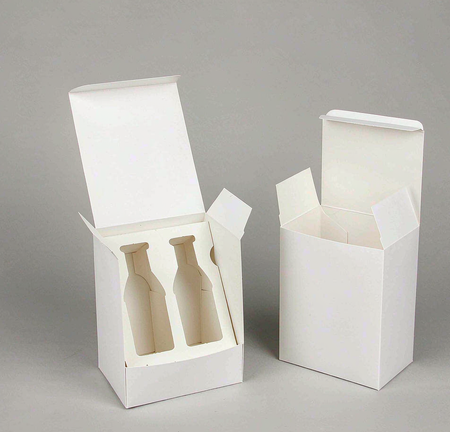
Procurement teams must align jewelry packaging by product price by graduating from lightweight folding structures for entry-level items to heavy rigid boards, custom inserts, and specialty papers for high-value fine jewelry.
A professional packaging manufacturer evaluates your retail price tier before recommending a material structure. This ensures that the tactile unboxing experience meets the exact expectations of your target demographic. By defining your product within a specific value bracket, you can engineer a packaging system that protects both the fragile jewelry and the brand’s financial bottom line.
Jewelry Packaging Value Tier Matrix
| Product Positioning | Packaging Priority | Recommended Structural Direction |
| Affordable / Fashion Jewelry | Cost efficiency, basic protection, clear brand recognition | Lightweight folding structures, standard inserts, efficient CMYK branding |
| Mid-Range / Premium Jewelry | Perceived value, rigid protection, gifting experience | Standard rigid box (lid & base), die-cut paper/foam inserts, moderate foil stamping |
| Fine / High-Value Jewelry | Maximum protection, precise presentation, tactile luxury | Heavy rigid board, custom precision inserts (velvet/EVA), specialty paper wrapping |
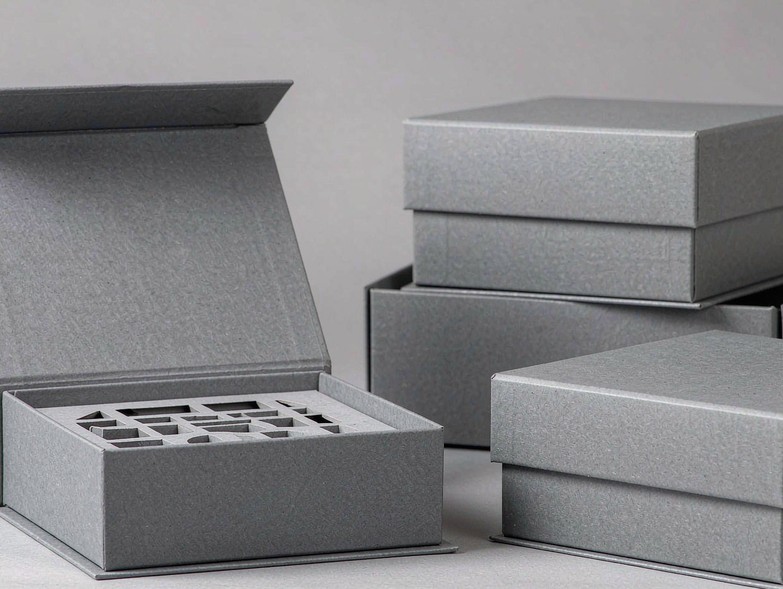
| Luxury / Signature Collections | Brand heritage, unboxing theatricality, permanent storage | Hinged/magnetic/drawer structures, custom fabric linings, intricate multi-level embossing |
2. Structural Engineering Across Different Jewelry Tiers
The foundation of the “price feel” of a jewelry box is its physical architecture. You do not always need to change the exterior material to signal a higher price point; you can simply upgrade the structural complexity and weight.
When developing packaging for different product values, manufacturers graduate from simple folding cartons to complex magnetic, hinged, or drawer-style rigid boxes to physically communicate a higher premium tier.
For an accessible silver chain, a two-piece standard rigid box (lid and base) provides excellent structure without excessive manufacturing cost. However, if that same brand introduces a limited-edition solid gold piece, placing it in the exact same box diminishes its special status. For this higher tier, the manufacturer can engineer a drawer box with a ribbon pull or a hinged rigid box with a concealed magnetic closure. These structures—often featured in premium jewelry and luxury goods packaging—add physical weight and a mechanical satisfaction to the opening process, instantly justifying the higher retail price point to the consumer.
3. The Role of Custom Inserts in Fine Jewelry Protection
As the retail price of the jewelry increases, the margin for error inside the box decreases to zero. A loose diamond ring that rattles inside a generic foam slot immediately feels cheap and risks severe physical damage.
For high value jewelry, investing in precision custom inserts made from velvet, EVA, or microfiber is more critical than the exterior material, as these inserts guarantee product immobilization, scratch protection, and flawless presentation.
When a customer opens packaging for fine jewelry, the piece should be perfectly framed and entirely motionless. The most impactful budget upgrade a brand can make is rarely adding more foil to the outside of the box; it is upgrading the interior architecture. Standardized foam inserts are acceptable for mass-market fashion rings. However, for a $2,000 engagement ring, the insert must be custom-engineered to the exact millimeter of the band, utilizing high-density EVA foam lined with premium velvet. This ensures the ring is held upright, catching the retail lighting perfectly, while the soft lining prevents any micro-abrasions to the precious metal.
4. Balancing Surface Finishing with Perceived Retail Value
Surface embellishments—such as hot foil stamping, embossing, debossing, and spot UV—are powerful tools for adjusting the perceived price of the packaging. However, they are frequently misused by emerging brands.
A critical rule in luxury jewelry packaging is restraint; applying a single, perfectly executed finishing technique on a high-quality rigid structure often looks more expensive than over-decorating an affordable box.
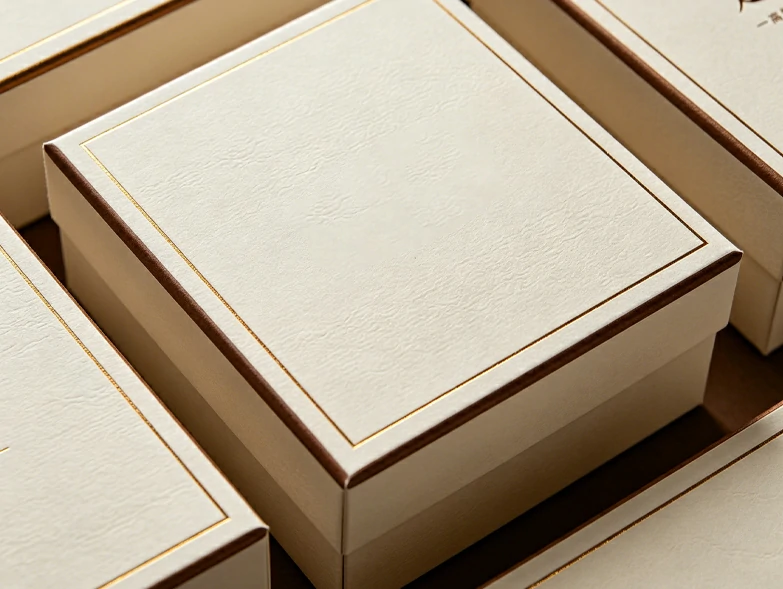
Brands often make the mistake of assuming that stacking foil, embossing, and textured paper on top of each other equates to “luxury.” In reality, this over-engineering often looks chaotic and cheap. For mid-range to premium jewelry and luxury goods, the most sophisticated approach is often minimalism. Pairing a heavy, structurally sound rigid box wrapped in a subtle matte specialty paper with a single, crisp, debossed gold foil logo creates a much stronger luxury impression than a box covered in multiple conflicting shiny finishes. Controlling your finishes not only elevates the brand but also optimizes your packaging manufacturing budget.
5. E-Commerce Logistics vs Premium Retail Presentation
The distribution channel drastically alters how a brand should allocate its packaging budget across different price points.
Brands must balance premium jewelry packaging aesthetics with e-commerce logistics, recognizing that heavy, oversized rigid luxury boxes can destroy profit margins through inflated dimensional shipping weight.
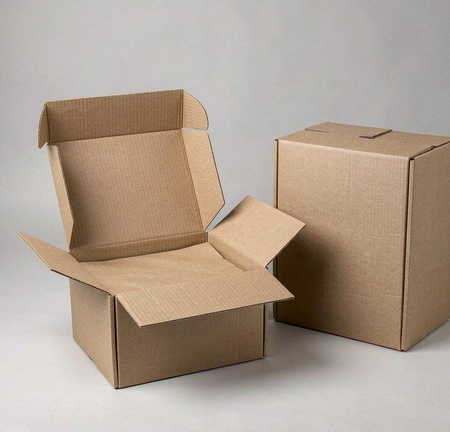
A $500 necklace sold in a physical boutique can afford a large, heavy rigid presentation box because the customer simply carries it out in a shopping bag. If that exact same necklace is sold online, that large, heavy box must be placed inside an even larger corrugated shipping mailer, exponentially increasing the dimensional weight (DIM) and the international freight cost. For e-commerce fine jewelry, the procurement strategy must focus on compact luxury. The packaging must still feature premium materials, magnetic closures, and velvet inserts, but the overall footprint must be engineered to be as small and lightweight as structurally possible to protect the logistics budget without sacrificing the unboxing experience.
6. Application Cases: Fashion, Mid-Range, and Luxury Jewelry
Matching the packaging to the product tier ensures the brand message remains consistent and the supply chain remains highly profitable.
Strategic jewelry packaging cost by product value dictates lightweight, highly branded boxes for fashion jewelry, and heavy, precisely engineered magnetic structures for luxury signature collections.
- Affordable / Fashion Jewelry: Products in this tier (e.g., 20–75) require brand recognition, basic protection, and extreme cost efficiency. Over-investing in heavy rigid boards or magnetic closures here will erase profits. The focus should be on clean folding structures, standard inserts, and efficient CMYK branding.
- Mid-Range / Premium Jewelry: Products ranging from 100–500 must balance product value expression with structural protection. This is the ideal tier for standard two-piece rigid boxes paired with custom die-cut inserts and moderate surface finishing, creating a strong, memorable gifting experience.
- Fine / Luxury / Signature Jewelry: For items exceeding $1,000 (diamonds, solid gold, luxury watches), the packaging is a core component of the product’s legacy. This tier demands flawless custom precision inserts, heavy hinged or drawer rigid structures, premium specialty paper or fabric wrapping, and sophisticated, understated foil stamping.
7. Avoiding Over-Engineering: Prototyping and Scalable Sourcing
The most expensive packaging is not necessarily the most profitable packaging. Brands frequently over-specify materials simply because they lack expert guidance on what actually drives consumer perception.
By partnering with a manufacturer that provides rapid physical sampling and low MOQs, brands can test packaging for different product values in the real world, preventing the costly over-engineering of their jewelry boxes.
You do not need to commit your entire inventory to a single packaging tier. A professional packaging supplier offering low Minimum Order Quantities (MOQ) allows a brand to order cost-effective folding boxes for their entry-level line, while simultaneously ordering a small batch of premium rigid boxes for a limited-edition luxury collection.
Before committing to mass production, buyers must verify the exact tactile feel, the rigidity of the box, the precision of the insert fit, and the crispness of the foil logo. Yongjian supports this critical verification by providing rapid 3-day sampling for all jewelry and luxury goods packaging. This allows procurement teams to physically handle the prototype, ensuring the packaging feels perfectly proportional to the jewelry’s retail price before any bulk manufacturing begins.
Conclusion
Determining how to choose jewelry packaging for different price points is an exercise in strategic proportionality. A successful packaging strategy does not simply default to the most expensive materials; it matches the structural rigidity, interior precision, and surface embellishments directly to the product’s retail value and distribution channel. By utilizing cost-efficient folding structures for fashion jewelry and reserving heavy, magnetically sealed rigid boxes with custom velvet inserts for fine jewelry, brands can maximize their perceived market value while strictly protecting their profit margins and e-commerce logistics budgets.
Price-tier strategy is one pillar of a larger jewelry packaging system that also covers material selection and production timelines. For the complete framework connecting all three decisions, see our complete guide to custom jewelry packaging.
Not sure which packaging level fits your jewelry?
Do not overspend on unnecessary materials or under-protect your high-value pieces. Send us your product details, retail price range, and target market, and our engineering team will recommend the exact box structure, custom insert, and premium finish that perfectly aligns with your brand’s financial strategy.
Frequently Asked Questions (FAQ)
1. Should I use the same packaging for my affordable and fine jewelry lines?
No. Using cheap packaging for fine jewelry destroys consumer trust, while using heavy luxury packaging for affordable pieces destroys your profit margins. You should develop tiered packaging—for example, a folding carton for fashion pieces and a rigid box with a custom insert for fine jewelry—while maintaining a consistent visual brand identity across both collections.
2. What is the most important packaging feature for high value jewelry?
The internal custom insert is paramount. While the outside of the box is important for first impressions, a precision-engineered insert (made of high-density EVA foam and premium velvet) that perfectly immobilizes a diamond ring or delicate necklace is what truly communicates luxury and prevents catastrophic transit damage.
3. Does adding more foil and embossing make a jewelry box look more expensive?
Not necessarily. Over-decorating a box often makes it look chaotic and cheap. In the premium and luxury tiers, restraint is key. A heavy, structurally flawless rigid box with a single, perfectly executed debossed logo often projects a much higher perceived value than a box covered in multiple shiny finishes.
4. How does e-commerce affect jewelry packaging cost by product value?
For e-commerce, the physical weight and dimensional volume of the box directly dictate your shipping costs. A massive, heavy wood box might suit a physical luxury boutique, but it will incur massive dimensional weight (DIM) freight charges online. E-commerce packaging must be engineered for “compact luxury”—premium materials in the smallest structural footprint possible.
5. How can I test a luxury jewelry packaging concept before ordering thousands of units?
You should partner with a packaging manufacturer that offers rapid prototyping and low Minimum Order Quantities (MOQ). This allows you to request a physical sample (often within 3 days) to test the tactile feel and insert fit, and then order a small batch for a limited release before committing to large-scale mass production.
6. Can packaging design help justify a higher retail price for fashion jewelry?
Yes. Upgrading a simple folding carton with a soft-touch matte lamination and a clean, custom-printed insert drastically improves the unboxing experience. This elevated presentation often allows brands to position their fashion jewelry at a slightly higher, premium price point within the market.