Choosing the wrong packaging supplier results in inconsistent branding, structural failures, and delayed product launches. Explore our Custom Packaging Selection Guide for a full decision framework across packaging types. To select a reliable custom gift box manufacturer, brands must rigorously evaluate the supplier’s direct factory capabilities, structural engineering expertise, material quality control, and consistency in bulk production.
Table of Contents
- Why Partnering with a Direct Gift Box Factory Matters
- Evaluating Structural Capabilities for Custom Gift Boxes
- Material Selection for Luxury Gift Packaging Boxes
- Advanced Printing and Finishing to Enhance Brand Value
- Ensuring Quality Control and Consistency in Bulk Orders
- Industry Applications: Beauty, Jewelry, and Corporate Gifting
- Balancing MOQ, Prototyping, and Production Costs
1. Why Partnering with a Direct Gift Box Factory Matters
In B2B procurement, identifying the true source of manufacturing is the first step in risk mitigation.
Partnering with a direct gift box factory provides comprehensive, end-to-end packaging solutions—from structural CAD design to mass production—ensuring strict quality control, transparent communication, and lower unit costs by eliminating middleman trading markups.
Many brands unknowingly purchase custom gift boxes through trading companies, which often leads to miscommunications regarding brand colors, delayed prototyping, and inflated costs. A professional gift packaging box supplier operates as a manufacturing partner rather than a mere order processor. They possess the in-house machinery and engineering teams necessary to solve complex design problems, recommend appropriate material selections, and manage large-scale production runs.
Furthermore, working directly with an established China luxury gift box supplier allows brands to tap into advanced manufacturing ecosystems. Direct factories provide complete OEM gift boxes and private label gift boxes, giving procurement teams full control over the packaging structure, print quality, and final delivery schedules.
2. Evaluating Structural Capabilities for Custom Gift Boxes
A premium unboxing experience begins with flawless structural engineering that perfectly houses the product.
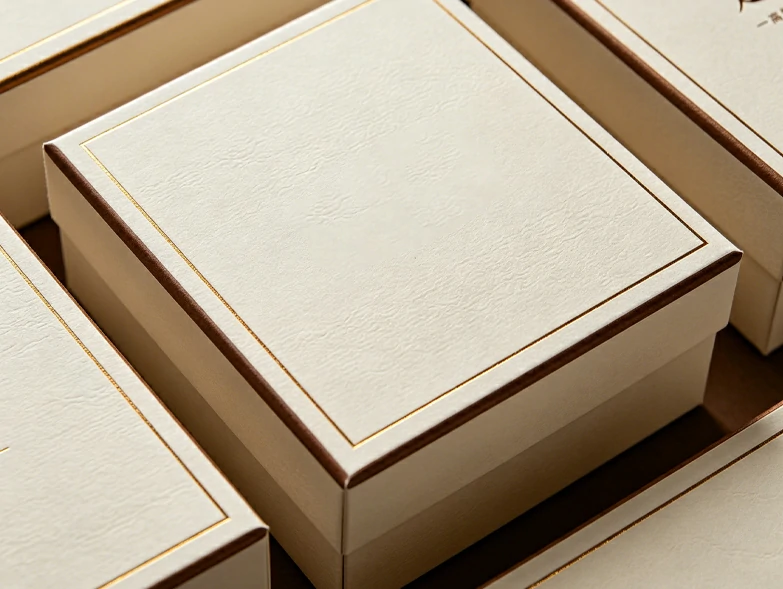
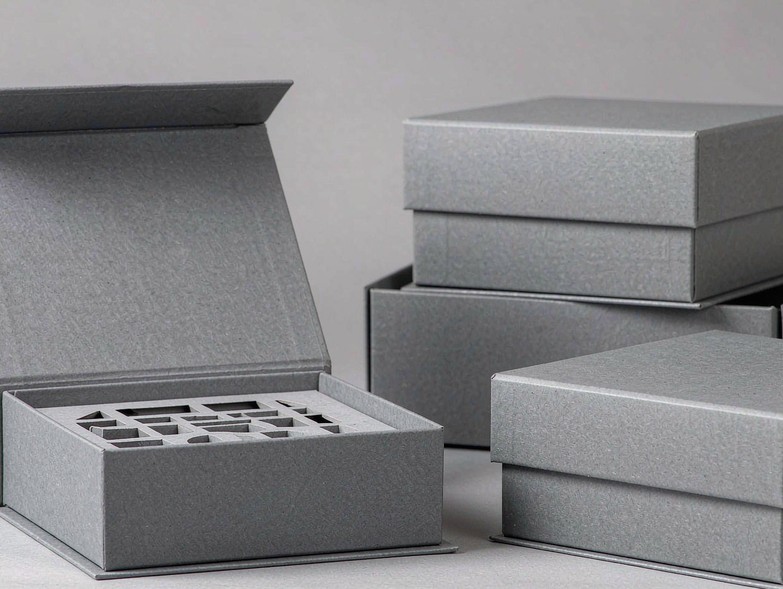
A professional custom gift box manufacturer must support diverse structural designs, including rigid lid-and-base boxes, magnetic closures, and drawer styles, along with precision-engineered custom inserts to secure and present the product.
Custom Box Dimensions and Structures
Standard off-the-shelf sizes cannot accommodate the precise dimensions of luxury products. The manufacturer’s engineering team must be able to design structures based on exact product dimensions, weight, and fragility. Utilizing software like ArtiosCAD, the supplier should generate accurate die-lines before any physical sampling begins. The choice of structure drastically affects both the unboxing experience and the manufacturing cost.
Custom Inserts for Product Protection
The exterior of custom gift packaging boxes creates the first impression, but the interior insert ensures product safety. An expert manufacturer will recommend the appropriate insert material. Options include die-cut EVA foam for heavy cosmetics, vacuum-formed PET trays for intricate components, molded paper pulp for eco-friendly brands, and velvet-lined foam for high-end jewelry. The tolerance of these inserts must be strictly controlled to prevent products from shifting during transit.
Gift Box Structural Styles Comparison
| Structural Style | Construction Details | Best Suited For | Relative Production Cost |
| Magnetic Closure Box | Rigid board hinged with hidden integrated magnets | Luxury skincare, premium corporate gifts, electronics | High |
| Lid and Base Box | Two-piece telescopic rigid structure (top lid, bottom base) | Jewelry sets, heavy cosmetics, apparel packaging | Medium to High |
| Drawer Style Box | Outer slipcase with an internal sliding tray and ribbon pull | Chocolates, delicate cosmetics, specialty retail | Medium to High |
| Collapsible / Folding Rigid Box | Rigid panels with adhesive corners that ship completely flat | E-commerce brands requiring space-saving shipping | Medium |
3. Material Selection for Luxury Gift Packaging Boxes
The tactile feel of a box communicates the quality of the product inside before the customer even opens it.
Selecting the right material dictates the durability and tactile experience of luxury gift packaging boxes, with options ranging from heavy-duty rigid greyboard for premium presentations to specialty textured papers for unique brand aesthetics.
Core Materials and Thickness
For premium applications, standard folding carton paperboard is insufficient. Luxury rigid boxes are constructed using a thick, solid core—typically greyboard ranging from 800gsm (approx. 1mm thick) to 2000gsm (approx. 3mm thick). The thickness chosen depends entirely on the weight of the enclosed product and the desired perceived value. A reliable wholesale gift boxes supplier will calculate the optimal board thickness to prevent the box from warping or bowing under pressure.
Wrapping Papers and Textures
The rigid core is then wrapped in a thinner, aesthetic surface paper. This is where brands can heavily differentiate themselves. Common wrapping options include smooth coated art paper (ideal for vibrant CMYK printing), uncoated kraft paper (for a natural, organic brand identity), and premium specialty papers (such as faux leather, linen-textured paper, or metallic foil papers). A knowledgeable manufacturer will guide brands on how different wrapping materials interact with printing inks and adhesives to prevent delamination.
4. Advanced Printing and Finishing to Enhance Brand Value
Visual differentiation on retail shelves or in corporate gifting environments relies heavily on sophisticated secondary finishing processes.
Enhancing custom luxury gift boxes requires advanced surface finishes such as hot foil stamping, multi-level embossing, spot UV coating, and anti-scratch lamination to increase perceived product value and shelf appeal.
Color Accuracy and Lamination
Brands invest heavily in their visual identity, making color consistency a critical purchasing trigger. A premium gift box manufacturer uses advanced spectrophotometers to ensure Pantone matching system (PMS) colors remain consistent, keeping the Delta E color variance below 2.0. Following printing, protective lamination is applied. While standard matte or glossy films are common, luxury brands often opt for “soft-touch” lamination, which provides a velvety, premium tactile feel, or anti-scratch lamination to protect dark-colored boxes from scuffing during transit.
Hot Stamping and Embossing
To create custom rigid gift box manufacturer masterpieces, surface embellishments are essential. Foil stamping utilizes heat and pressure to apply metallic foils (gold, silver, rose gold, or holographic) directly to the box surface. Embossing and debossing create raised or sunken reliefs of the brand logo, adding a three-dimensional tactile element. A highly skilled factory can execute registered embossing, where the foil stamping and embossing align perfectly with a printed graphic, requiring exceptional machine calibration and die-cutting precision.
5. Ensuring Quality Control and Consistency in Bulk Orders
For B2B buyers, the quality of a pre-production sample is irrelevant if the manufacturer cannot replicate it consistently across 50,000 units.
Reliable bulk gift packaging boxes suppliers ensure production consistency by implementing strict quality control protocols, including material moisture testing, die-cutting precision checks, and pre-shipment structural inspections.
Stability in Manufacturing
One defective shipment can severely damage a brand’s reputation and delay product launches. High-volume buyers must verify a supplier’s quality control infrastructure. Rigid box manufacturing involves extensive gluing processes. If the factory does not control the moisture content of the paperboard or the humidity of the facility, the boxes may warp, or the wrapping paper may bubble and peel off once shipped to a different climate.
Inspection and Approval Protocols
A professional OEM gift packaging box supplier follows a strict step-by-step approval process. Before bulk production begins, they provide a physical, fully finished pre-production sample. Once approved, mass production must strictly adhere to this standard. Quality control teams conduct in-line inspections for glue adhesion, fold alignment, and magnetic closure strength. Finally, pre-shipment drop tests and transit simulation tests are performed to guarantee the custom gift boxes will survive global logistics.
6. Industry Applications: Beauty, Jewelry, Food, and Corporate Gifting
A versatile manufacturer understands that a rigid box designed for chocolates will not meet the protective requirements of a glass perfume bottle.
Different industries require tailored packaging solutions; beauty brands need luxury rigid boxes for fragile cosmetics, jewelry requires soft protective inserts, and corporate gifting demands high-volume, logo-printed private label gift boxes.
Cosmetic & Beauty Brands
Skincare sets, heavy perfume bottles, and beauty gift collections require packaging that perfectly mirrors the luxury of the product. Beauty brands heavily favor magnetic closure boxes and lid-and-base structures. A critical requirement for this sector is custom molded inserts (often flocked EVA foam) that tightly grip heavy glass jars to prevent breakage, paired with premium surface finishes that stand out in high-end retail environments.
Jewelry Brands
Jewelry packaging demands an extreme focus on detail and a compact footprint. Custom gift packaging boxes for rings, necklaces, and watches often utilize rigid lid-and-base structures wrapped in premium textures like velvet, PU leather, or soft-touch paper. The interior requires specialized, non-tarnishing inserts to protect delicate metals and stones, reinforcing the high perceived value of private label branding.
Food & Chocolate Brands
Premium food products, such as artisanal chocolates and seasonal specialty foods, rely on packaging to drive gifting value. Drawer-style boxes and folding gift boxes are highly popular in this sector. The manufacturer must ensure that all internal trays (often vacuum-formed PET or food-grade paper pulp) comply with food safety regulations, ensuring no chemical odors transfer from the packaging adhesives to the food.
Corporate Gift Suppliers
Corporate gifting businesses require wholesale gift boxes that balance premium aesthetics with cost-effective bulk production. These buyers usually demand custom logo packaging with consistent color matching to corporate guidelines. Flexibility is key; a manufacturer must be able to adapt a standard rigid structure to hold varied items—such as a notebook, a pen, and a thermos—within a single, cleanly designed presentation box.
7. Balancing MOQ, Prototyping, and Production Costs
Procurement teams must navigate the delicate balance between achieving the highest possible packaging quality and maintaining strict budget controls.
When evaluating a gift box factory, brands must balance Minimum Order Quantities (MOQs), prototype sampling costs, and mass production pricing to optimize their packaging budget without sacrificing structural or aesthetic quality.
Prototyping and Sample Approval
Before committing to bulk production, brands should request a physical prototype. A reliable manufacturer will first provide an unprinted “white dummy” to verify structural dimensions and product fit. Once the fit is confirmed, a fully printed sample with all foil and lamination finishes is produced. While these custom samples carry an initial cost, reputable manufacturers often deduct this sampling fee from the final bulk order invoice.
MOQ and Bulk Pricing
Rigid box manufacturing requires significant initial setup, including the creation of cutting dies, printing plates, and machine calibration. Consequently, very low quantities carry a high unit cost. Buyers should discuss Minimum Order Quantities (MOQs) transparently. While some factories demand a strict 3,000-unit minimum, flexible suppliers often support small batch testing (e.g., 500 to 1,000 units) for new product launches, providing scalable pricing tiers that significantly lower the per-unit cost as the brand scales to larger wholesale volumes.
Conclusion
Choosing the right custom gift box manufacturer is a strategic decision that extends far beyond aesthetics. It requires partnering with a direct factory capable of delivering expert structural design, diverse material selections, flawless printing, and unwavering quality control during mass production. Whether you are launching a luxury cosmetic line, a high-end jewelry collection, or sourcing bulk corporate gifts, the right supplier transforms your packaging into a powerful brand asset that elevates the entire customer experience.
Ready to elevate your brand with premium custom gift packaging?
As a leading Packaging Solution Expert at Dongguan Yongjian Paper Products Co., Ltd., with over 20 years of experience manufacturing customized paper packaging, we provide comprehensive OEM/ODM solutions tailored precisely to your brand’s positioning.
Contact our technical engineering team today to request a custom packaging consultation, physical box prototypes, structural design support, or a competitive bulk quotation for your next premium packaging project.
Frequently Asked Questions (FAQ)
1. What is the difference between a folding carton and a rigid luxury gift box?
A folding carton is made from a single sheet of thinner paperboard (typically 300-400gsm), ships flat, and is assembled by folding. A rigid luxury gift box uses a thick 1-3mm greyboard core wrapped in decorative paper, providing superior durability, a heavier premium feel, and ships fully assembled.
2. How long does it typically take to produce custom gift boxes?
For a reliable manufacturer, producing the initial physical prototype takes about 5 to 7 days. Once the prototype is approved, mass production of rigid gift boxes generally requires 15 to 25 days, depending on the order volume and the complexity of the surface finishes.
3. Can a gift box factory provide custom inserts to protect fragile products?
Yes. A professional manufacturer will design custom inserts based on your exact product dimensions. Options include die-cut EVA foam, molded paper pulp, velvet-lined blister trays, and custom corrugated cardboard to ensure fragile items like glass cosmetics or electronics do not move during shipping.
4. What is the standard Minimum Order Quantity (MOQ) for luxury rigid boxes?
Because rigid box manufacturing requires complex machine setups, cutting dies, and wrapping molds, standard MOQs typically start between 500 and 1,000 units. Ordering higher quantities (e.g., 3,000+ units) significantly decreases the per-unit cost due to economies of scale.
5. How do I ensure my brand colors are printed accurately on wholesale gift boxes?
To guarantee color accuracy, provide your manufacturer with exact Pantone (PMS) color codes rather than CMYK values. Require a physical printed proof for approval before mass production begins, and ensure the factory uses digital spectrophotometers to maintain color consistency across batches.
6. Are custom gift packaging boxes eco-friendly and recyclable?
They can be. If sustainability is a priority, request custom gift boxes made from FSC-certified paper, 100% recycled greyboard cores, and uncoated kraft paper wraps. Additionally, you can replace plastic or EVA foam inserts with recyclable molded paper pulp or die-cut cardboard to ensure the entire package is biodegradable.