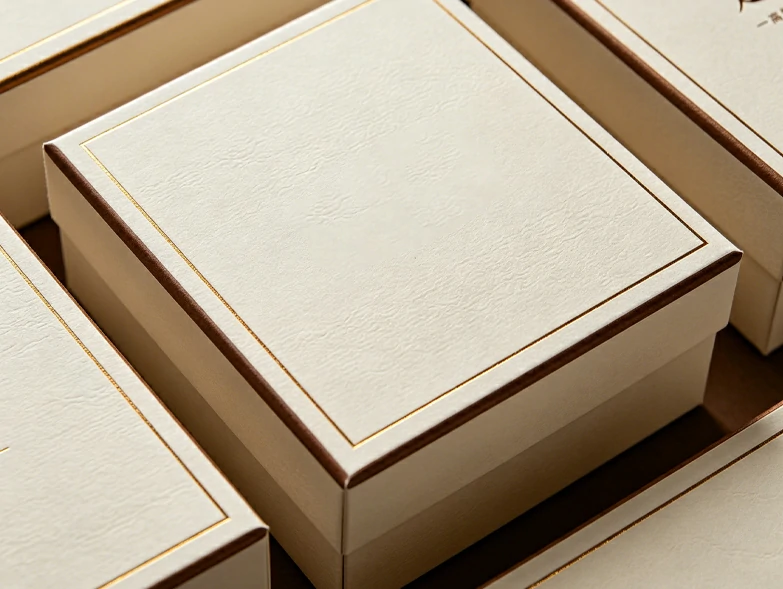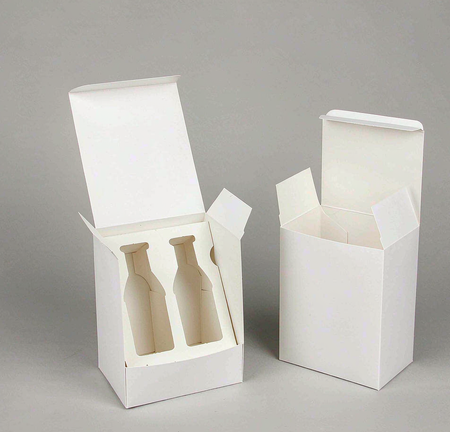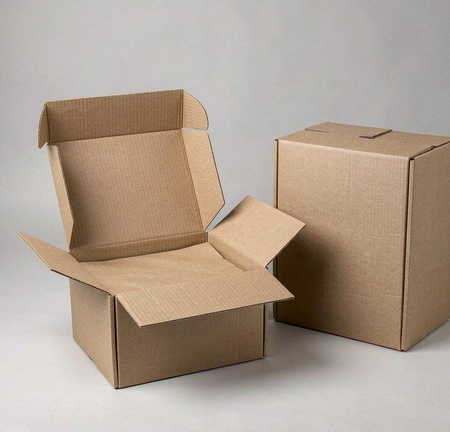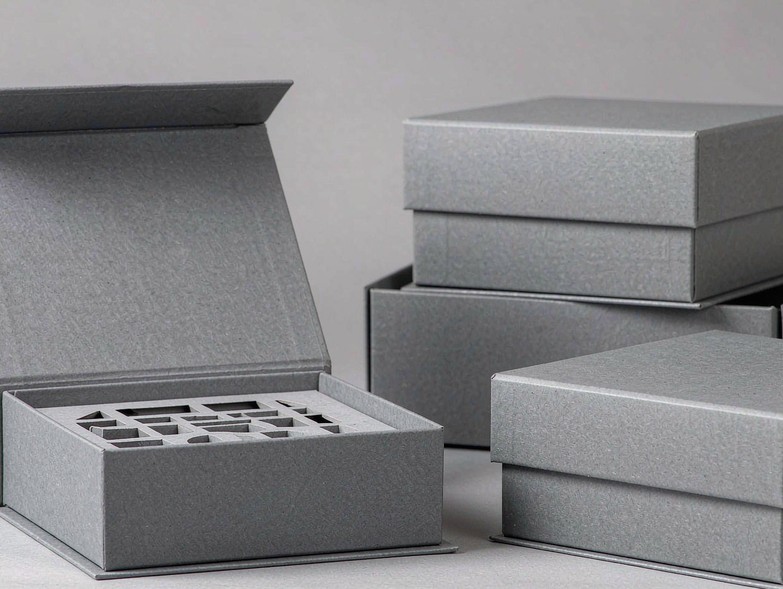
Selecting the wrong packaging material leads to grease leakage, collapsed structures, and severe damage to your culinary brand’s reputation. Our Custom Packaging Selection Guide covers the full material, structure, and supplier decision process. To select the ideal custom food boxes, procurement teams must match the structural rigidity, oil resistance, and aesthetic properties of kraft or cardboard materials directly to their specific food type and retail environment. Partnering with a professional packaging manufacturer ensures safe, compliant, and visually striking food packaging that protects your product and your profit margins.

Table of Contents
- Why Material Selection Dictates Custom Food Box Performance
- Technical Profile: Kraft Food Boxes for Eco-Conscious Brands
- Technical Profile: Cardboard Food Boxes for Premium Retail
- Material Comparison: Kraft vs Cardboard Food Boxes
- Engineering Protection: Grease Resistance and Food Safety Coatings
- Industry Applications: Bakery, Organic, and Takeaway Brands
- B2B Procurement: Balancing Customization, Volume, and Cost
1. Why Material Selection Dictates Custom Food Box Performance
In the competitive food and beverage sector, packaging is subjected to extreme conditions—ranging from high-moisture hot foods to rough handling during third-party delivery.
Material selection dictates the performance of custom food boxes because the substrate directly impacts thermal retention, structural rigidity during transit, grease resistance, and the consumer’s perception of the brand’s market positioning.
Many restaurants and catering companies make the mistake of choosing a box based solely on visual appeal or the lowest unit cost, ignoring the physical demands of the food. If a heavy, moisture-rich burger is placed in a thin, uncoated box, the steam will compromise the paper fibers, causing the bottom to fall out before it reaches the customer. Conversely, using highly engineered, thick cardboard for simple dry snacks unnecessarily inflates packaging costs. A professional food packaging supplier evaluates the specific thermal and chemical properties of your food to engineer custom food boxes that perfectly balance structural integrity with cost efficiency.
2. Technical Profile: Kraft Food Boxes for Eco-Conscious Brands
The global shift toward sustainable food packaging solutions has made unbleached kraft paper a dominant force in the takeaway and organic food sectors.
Kraft food boxes utilize unbleached wood pulp to deliver a lightweight, highly sustainable packaging solution that perfectly communicates an organic, handmade, and environmentally responsible brand positioning.
Natural Aesthetics and Brand Messaging
Kraft paperboard is manufactured with minimal chemical processing, retaining the natural brown color and visible wood fibers of the pulp. For organic food brands, health product manufacturers, and artisan bakeries, this rustic appearance acts as a silent brand ambassador. It immediately communicates to the consumer that the brand prioritizes the environment. Furthermore, kraft paper packaging boxes are highly receptive to minimalist custom printing, particularly single-color (usually black or white) logos and vector graphics, which enhance the artisanal feel without requiring expensive multi-color offset setups.
Structural Characteristics and Limitations
From an engineering standpoint, virgin kraft paper possesses excellent tensile strength and tear resistance, making it structurally sound for takeaway food boxes. It is lightweight, which helps reduce overall shipping costs. However, in its raw, uncoated form, kraft paper is highly porous. It will rapidly absorb grease and moisture. Therefore, when packaging foods with oil or liquids, an experienced manufacturer must laminate the interior with a food-safe barrier to prevent structural failure.
3. Technical Profile: Cardboard Food Boxes for Premium Retail
When vibrant visual branding, complex structural designs, and premium shelf appeal are the primary objectives, coated cardboard is the undisputed industry standard.
Cardboard food boxes use coated solid bleached sulfate (SBS) or folding boxboard (FBB) to provide superior structural rigidity and exceptional printability, making them ideal for complex graphics and premium retail presentation.
High-Resolution Custom Printed Food Boxes
Cardboard food boxes are engineered with a smooth, white coated surface (typically C1S or C2S—Coated One Side or Coated Two Sides). This smooth topography prevents ink from absorbing deeply into the paper fibers, allowing for vibrant, high-resolution CMYK printing. For food brands competing on visual appeal, such as high-end bakeries or retail snack brands, this material supports advanced surface finishing. Brands can utilize spot UV coating to make their logo pop, matte lamination for a modern aesthetic, or hot foil stamping to elevate dessert boxes into premium gifts.
Structural Versatility
Beyond printability, food-grade cardboard offers exceptional structural flexibility. Because the board is dense and holds a sharp crease without cracking, a food packaging manufacturer can engineer a much wider range of custom structures. This includes complex auto-bottom locking boxes, windowed pastry boxes that display the product inside, and multi-compartment food gift boxes designed for retail shelves. The inherent rigidity of thicker cardboard (e.g., 350gsm to 400gsm) ensures that stacked retail food products do not crush during bulk pallet shipping.
4. Material Comparison: Kraft vs Cardboard Food Boxes
Choosing between these two substrates requires a side-by-side evaluation of your brand’s visual goals against your procurement budget and technical requirements.
When comparing materials, kraft food boxes excel in natural aesthetics and cost-efficiency for simple designs, whereas cardboard food boxes offer unmatched structural versatility and premium high-resolution branding capabilities.
Below is a detailed technical and commercial comparison to assist procurement teams in evaluating the best OEM food packaging supplier options for their specific needs:
| Evaluation Factor | Kraft Food Boxes | Cardboard Food Boxes (SBS/FBB) |
| Appearance & Texture | Natural brown, textured, visible wood fibers | Smooth, bright white, refined retail finish |
| Brand Positioning | Eco-friendly, organic, artisan, handmade | Professional, premium retail, high-end commercial |
| Custom Printing | Best for simple, 1-2 color designs, dark inks | Excellent for full CMYK color, complex graphics, photos |
| Surface Finishing | Limited (usually uncoated exterior) | Supports gloss/matte lamination, foil stamping, embossing |
| Structure Options | Ideal for standard takeaway, clamshells, folding boxes | Endless custom structures, die-cut windows, precise inserts |
| Cost Control | Highly economical for high-volume, simple designs | Flexible; cost scales with board thickness and finishing |
| Primary Applications | Organic snacks, sandwiches, fast food, artisan bakery | Chain restaurants, dessert/cake boxes, retail food brands |
5. Engineering Protection: Grease Resistance and Food Safety Coatings
Regardless of whether you select kraft or cardboard, the raw paper material alone is rarely sufficient for direct contact with wet or oily foods.
To prevent structural failure and leakage, custom food packaging boxes must incorporate food-grade barrier coatings such as PE linings, aqueous varnishes, or compostable PLA films tailored to the food’s moisture and oil content.
Selecting the Right Food-Safe Barrier
B2B clients frequently express concerns regarding oil leakage, moisture damage, and food safety compliance. When developing custom food packaging boxes, the interior lining is critical.
- PE (Polyethylene) Coating: The most common and cost-effective barrier. A thin layer of PE plastic is laminated to the inside of the kraft or cardboard box, rendering it completely waterproof and grease-proof. It is ideal for burgers, fried foods, and hot, saucy takeaway meals.
- PLA (Polylactic Acid) Coating: For brands heavily committed to eco-friendly food packaging, PLA offers a biodegradable alternative to PE. Made from plant starches, it provides excellent grease resistance while allowing the entire box to remain commercially compostable.
- Aqueous Coating: A water-based, food-safe varnish applied during the printing process. It provides moderate grease and moisture resistance, making it suitable for dry snacks, baked goods, and retail food items that do not require heavy liquid barriers.
6. Industry Applications: Bakery, Organic, and Takeaway Brands
A reputable manufacturer does not push a single, off-the-shelf product; they engineer solutions based on the unique demands of specific food sectors.
Different culinary sectors require tailored solutions; bakeries favor premium cardboard for aesthetic appeal, organic food brands utilize kraft for sustainability, and fast-food chains demand leak-proof custom printed food boxes for efficient takeaway.
Bakery and Dessert Brands
Products like custom cakes, delicate pastries, and artisanal chocolates demand packaging that balances product protection with an appetizing presentation. For this sector, custom cardboard food boxes are the recommended solution. The smooth white surface allows for premium branding and crisp printing of nutritional information. Furthermore, cardboard can be easily die-cut to include clear PET windows, allowing the visual appeal of the baked goods to drive impulse purchases in a retail environment.
Organic and Sustainable Food Brands
For companies selling organic snacks, health foods, and natural supplements, brand consistency is paramount. Kraft food boxes are the ideal choice. The natural appearance seamlessly matches sustainability-focused branding, instantly communicating an environmentally friendly image to the consumer before they even read the label.
Restaurants, Takeaway, and Food Subscriptions
Takeaway businesses require packaging that is easy to assemble rapidly in a busy kitchen, protects food temperature, and survives transit without deformation. Both kraft and cardboard can be utilized here, depending on the restaurant’s tier. Fast-food chains often use PE-lined kraft boxes for cost efficiency, while premium dining establishments offering takeaway may opt for heavy-duty, custom printed cardboard boxes to extend their premium dining experience into the customer’s home.
7. B2B Procurement: Balancing Customization, Volume, and Cost
The final step in selecting packaging is finding a manufacturing partner capable of scaling with your business operations.
Successful B2B procurement of custom food boxes requires evaluating a packaging manufacturer’s ability to provide structural customization, consistent food-grade quality across mass production, and stable bulk supply capabilities.
True OEM Manufacturing Capabilities
When searching for a food packaging manufacturer, buyers must look beyond standard packaging suppliers. A true OEM partner provides extensive customization capabilities. You are not just buying a box; you are sourcing custom sizes to fit unique food portions, custom structures (such as interlocking tabs to eliminate the need for tape), and custom printing that aligns perfectly with your marketing campaigns.
Quality Consistency and Minimum Order Quantities (MOQ)
For food chains and large-volume food brands, supply chain stability is a primary purchasing trigger. You need assurance that the grease-proof coating on your 100,000th box performs exactly like the prototype. A professional direct-factory manufacturer offers transparent MOQs, clear production lead times, and rigorous quality control. By working directly with a capable factory to source your food packaging, you secure a transparent supply chain that balances your brand’s aesthetic goals, environmental commitments, and strict procurement budget.
Conclusion
The decision between kraft and cardboard food boxes is a strategic choice that impacts your brand’s visual identity, supply chain logistics, and the physical safety of your food products. Kraft packaging provides an unbeatable natural, eco-friendly aesthetic that resonates with modern, sustainability-conscious consumers. Conversely, cardboard delivers the structural versatility and high-resolution printing necessary for premium retail presentations. Ultimately, the best material is the one that is precisely engineered with the correct food-safe coatings and structural design to meet your specific culinary and business requirements.
Ready to upgrade your food packaging strategy?
Share your food product details, packaging requirements, and expected order quantity with YongjianBox to find the right kraft or cardboard food box solution for your business.
Contact us today to consult with our packaging engineers, request physical material samples, and receive a competitive manufacturing quotation for your custom food boxes.
Frequently Asked Questions (FAQ)
1. Can kraft food boxes safely hold hot, greasy, or liquid-heavy foods?
Yes, provided they are manufactured correctly. While raw kraft paper absorbs oil, a professional food packaging manufacturer will line the interior of the kraft box with a food-safe PE (Polyethylene) or compostable PLA (Polylactic Acid) coating, making it 100% grease-proof and leak-resistant.
2. Are cardboard food boxes recyclable or environmentally friendly?
Uncoated or aqueous-coated cardboard food boxes are widely recyclable. However, if the cardboard is heavily laminated with plastic films or contaminated with heavy food grease, it may not be accepted by standard recycling facilities. Brands can request FSC-certified paperboard to ensure sustainable sourcing.
3. Which material is more cost-effective for large wholesale orders?
For standard folding structures and simple 1-color printing, kraft paperboard is generally more cost-effective for high-volume takeaway operations. However, if you require full-color printing and complex retail structures, standard coated cardboard (SBS) becomes highly economical when ordered in large mass-production quantities.
4. Can I print a full-color photograph or complex logo on kraft paper?
While you can print full color on kraft paper, the natural brown background absorbs the ink and alters the color accuracy, making images look muted or dark. For vibrant, high-resolution CMYK graphics or precise Pantone color matching, white coated cardboard is the superior material choice.
5. How do I ensure my custom food packaging boxes won’t collapse during delivery?
Structural integrity is determined by the board’s thickness (gsm) and the physical design of the box. An expert packaging supplier will evaluate the weight of your food and recommend the appropriate paper thickness—or suggest structural reinforcements like crash-lock bottoms or double-wall corners—to ensure it survives third-party delivery handling.
6. What information is required to get a quote for custom printed food boxes?
To provide an accurate OEM quotation, a manufacturer needs the specific dimensions of the box (Length x Width x Height), the type of food being packaged (to determine required coatings), your preference between kraft or cardboard, the number of colors in your printed design, and your estimated order quantity.