Choosing between a rigid box and a folding carton dictates brand perception, logistics costs, and structural protection. For the complete packaging selection framework, see our Custom Packaging Selection Guide. Folding cartons deliver cost-effective, high-volume efficiency, whereas rigid boxes provide superior durability and a luxury unboxing experience. Selecting the right custom cosmetic packaging boxes and custom cosmetic boxes requires balancing your production budget against target market expectations.

Table of Contents
- Why the Choice of Structure Matters for Cosmetic Packaging
- Technical Profile: Folding Cartons for Cosmetic Boxes
- Technical Profile: Rigid Boxes for Beauty Packaging Boxes
- Quick Comparison: Folding Carton vs Rigid Box
- Application Scenarios: Skincare, Makeup, and Gift Sets
- Cost Optimization and Supply Chain Logistics
- B2B Purchasing Triggers: Making the Right Decision
1. Why the Choice of Structure Matters for Cosmetic Packaging
For cosmetic and beauty brands, selecting the physical framework of your packaging is not merely a design preference; it is a foundational branding and cost-control decision. Both rigid boxes and folding cartons are widely utilized across the beauty industry, yet they serve entirely different market positions.
The choice between rigid and folding structures determines not only the visual appeal of cosmetic packaging boxes but also the overall packaging budget, shipping logistics, and unboxing experience.
When evaluating packaging options, brands cannot rely on aesthetics alone. Procurement teams and product designers must deeply analyze product positioning, target customer expectations, total packaging budget, production quantity, and international shipping requirements. A mismatch between product value and packaging structure can be detrimental. For instance, placing a $150 luxury perfume in a thin folding carton undermines the brand image, while packaging a $10 daily cleanser in an expensive rigid box destroys profit margins. The right structural choice depends on whether your supply chain prioritizes cost efficiency for retail volume or premium presentation for high-end consumer retention.
2. Technical Profile: Folding Cartons for Cosmetic Boxes
Folding cartons are the absolute backbone of daily retail cosmetic packaging, offering unparalleled efficiency in both manufacturing and global distribution.
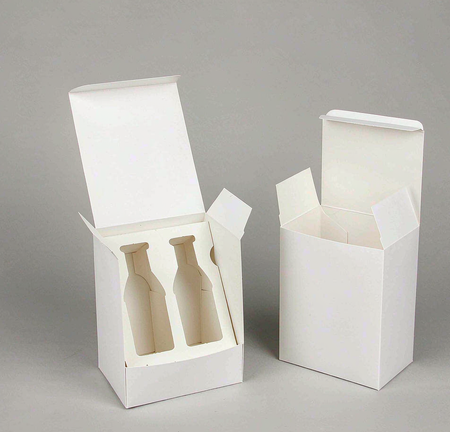
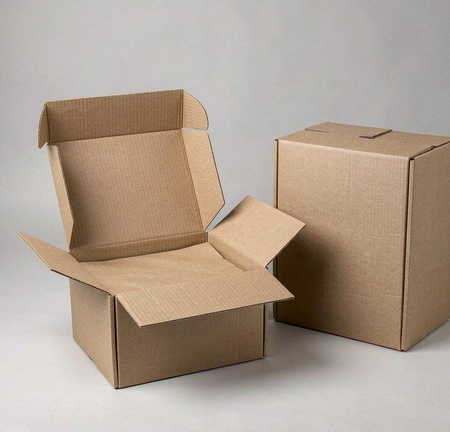
Folding cartons are paper-based packaging structures that are printed, die-cut, folded, and glued, and are usually delivered flat to maximize storage efficiency and significantly reduce transportation costs.
Structural Engineering and Manufacturing Process
The production of folding cartons is highly automated. Using specialized paperboard grades (such as SBS or Kraft), manufacturers print the brand graphics, apply surface finishes, and use steel-rule dies to cut the precise structural shape. The flat blanks are then fed through high-speed folder-gluer machines. Because they can be shipped flat, folding cartons take up minimal volumetric space in shipping containers and warehouse facilities. This structural flexibility makes them ideal for daily beauty products, skincare packaging boxes, and retail cosmetic products that require large-volume turnover.
Key Advantages and Customization Options
The primary advantage of folding cosmetic boxes is their lightweight structure combined with highly efficient mass production capabilities. This results in a significantly lower per-unit packaging cost compared to rigid alternatives. Despite being cost-effective, folding cartons do not sacrifice aesthetic potential. They offer flexible and extensive printing options. Brands can customize these cartons with matte or glossy finishing, hot foil stamping, intricate embossing, and specialized die-cut window designs that reveal the product inside. This makes them highly adaptable for fast-moving consumer goods where shelf impact is critical.
3. Technical Profile: Rigid Boxes for Beauty Packaging Boxes
When brand image and the luxury customer experience take precedence over strict cost minimization, rigid boxes are the definitive industry standard.
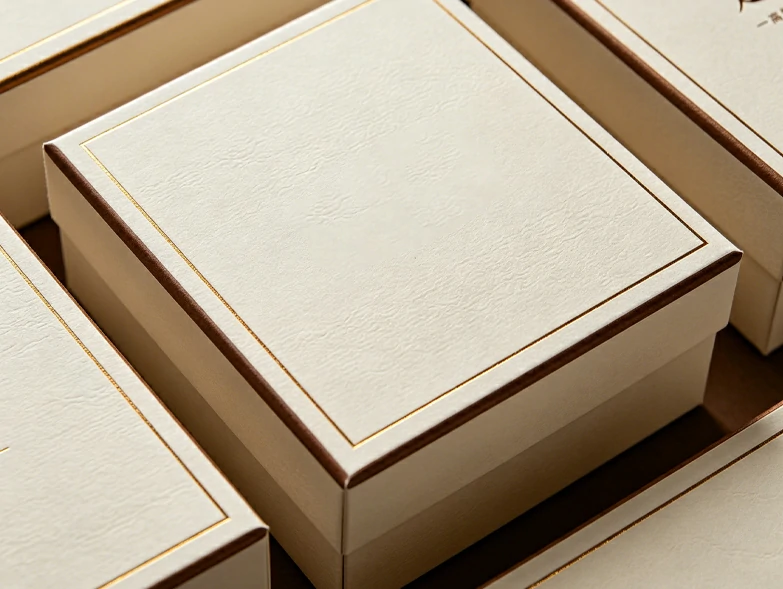
Rigid boxes utilize thicker board materials that maintain their 3D shape without folding, offering stronger structural support, enhanced durability, and a premium unboxing experience for luxury cosmetics.
Structural Integrity and Material Composition
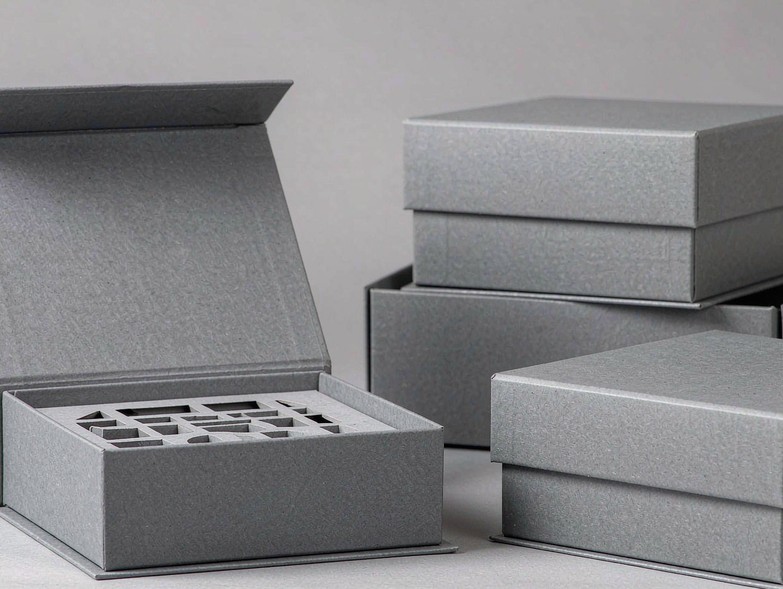
Unlike folding cartons, rigid beauty packaging boxes cannot be flattened. They are constructed using a thick, highly compressed paperboard core (often ranging from 1mm to 3mm in thickness) which provides exceptional structural strength. This rigid core is then meticulously wrapped with a thinner, high-quality printed paper or specialty textured material. This multi-layered construction means the box is pre-assembled at the factory. While this increases manufacturing time and shipping volume, it guarantees an unyielding protective shell that is ideal for fragile glass cosmetic jars, heavy luxury skincare sets, and premium perfume packaging.
Premium Customization and Finishing
High-end cosmetic gift box manufacturers utilize rigid structures to create an elevated, theatrical unboxing experience. Rigid boxes accommodate complex customization options that are difficult to achieve with folding cartons. These include specialized wrapping papers (such as soft-touch, linen-textured, or metallic papers), seamless magnetic closures, ribbon pull-tabs, and custom-molded interior insert structures (like EVA foam or velvet-lined vacuum-formed trays) that cradle the product perfectly. Premium surface finishes are applied to the wrapping paper before assembly, communicating a high product value that justifies a premium retail price point.
4. Quick Comparison: Folding Carton vs Rigid Box
Selecting the ideal structure requires a side-by-side evaluation of both financial and physical attributes to ensure alignment with brand goals.
When comparing packaging options, procurement teams must evaluate cost-effectiveness, production volume suitability, storage footprint, and whether the brand positioning demands practical retail efficiency or a premium luxury presentation.
The following table outlines the core differences between the two primary packaging formats used in the cosmetic industry:
| Factor | Folding Carton | Rigid Box |
| Cost | More cost-effective (lower unit cost) | Higher investment (higher unit cost) |
| Production Volume | Highly suitable for efficient mass production | Better suited for premium, lower-volume products |
| Storage & Shipping | Ships flat, saves significant warehouse space | Ships pre-assembled, takes more storage space |
| Brand Positioning | Practical, fast-moving, & retail-focused | Luxury, high-end, & premium-focused |
| Product Protection | Standard protection for lightweight items | Higher structural strength for heavy/fragile items |
| Customer Experience | Clean, straightforward presentation | Premium, highly tactile unboxing experience |
5. Application Scenarios: Skincare, Makeup, and Gift Sets
Packaging engineering is highly dependent on the specific cosmetic category. A solution that works for a lipstick will not necessarily work for a heavy glass serum bottle.
Different beauty categories demand distinct packaging; folding cartons are preferred for daily skincare and makeup for retail efficiency, while rigid boxes are essential for luxury beauty collections and premium gift sets.
Skincare Packaging Boxes
Skincare brands usually choose packaging based squarely on product positioning and product weight. For everyday consumer products such as daily cleansers, lightweight creams, serums, and toners, folding cartons are overwhelmingly preferred because they perfectly balance cost and visual appearance. However, for premium anti-aging skincare collections or multi-step regimen gift sets, rigid boxes are utilized to create a more high-end, durable presentation that reassures the customer of the product’s premium formulation.
Makeup Products
Makeup brands operate in heavily saturated retail environments where they must compete through shelf appearance and visual differentiation. Folding cartons work exceptionally well for individual cosmetics like lipsticks, liquid foundation bottles, eyeshadow palettes, and compact products. Because makeup items are typically small and lightweight, folding cartons provide adequate protection while allowing for extensive custom printing and finishing (like holographic foils or spot gloss) to help improve product visibility under retail lighting.
Luxury Beauty & Gift Sets
For premium beauty collections, the packaging becomes a direct extension of the customer experience. Consumers purchasing high-end items expect the packaging to reflect the price tag. Rigid boxes are almost exclusively selected for luxury cosmetic sets, high-end perfume collections, and seasonal holiday gift packaging. By working with specialized cosmetic gift box manufacturers, brands can create rigid structures that customers often keep long after the product is used, creating stronger perceived value and lasting brand recall.
6. Cost Optimization and Supply Chain Logistics
A professional packaging engineering consultant understands that the invoice from the manufacturer is only one part of the total packaging cost.
Cost optimization requires analyzing the entire supply chain; folding cartons reduce freight and warehousing costs by shipping flat, whereas rigid boxes require strategic volume planning due to their pre-assembled size.
If your brand is dealing with large-volume retail products, the storage efficiency of folding cartons cannot be overstated. A single standard pallet can hold tens of thousands of flat folding cartons, drastically lowering your inbound freight costs and warehouse footprint. Conversely, rigid boxes are shipped fully assembled. This means you are essentially “shipping air,” which significantly increases freight costs and requires substantial warehouse space. Brands must balance their packaging budget by ensuring the premium margins of their luxury goods can absorb the higher shipping and storage costs associated with rigid packaging structures.
7. B2B Purchasing Triggers: Making the Right Decision
Converting a packaging concept into mass production requires partnering with a manufacturer who understands the technical nuances of the beauty industry.
To ensure successful packaging procurement, beauty brands must evaluate a manufacturer’s material recommendation expertise, custom structure design capabilities, printing consistency, and MOQ flexibility.
When evaluating suppliers, several key conversion points influence the final purchasing decision:
- Material Recommendation: Brands often do not know which exact box type to choose and rely on the manufacturer to provide professional advice based on product weight and budget.
- Cost Optimization: Buyers need a manufacturer who can help them strike the perfect balance between high-end brand effects and strict budget limitations.
- Custom Structure Design: The factory must engineer bespoke structures that match different bottle shapes, sizes, and product combinations seamlessly.
- Printing & Finishing Capability: The manufacturer must guarantee that the final surface finishes accurately reflect the brand’s intended positioning.
- Production Consistency: Large-volume buyers require strict quality control to avoid structural or color differences across different production batches.
- MOQ Flexibility: New brands or those testing market response need flexible Minimum Order Quantities to lower their trial-and-error costs.
- Customization Support: Brands require comprehensive end-to-end service, from initial CAD design prototyping to final export production.
Conclusion
The decision between a rigid box and a folding carton is a strategic balance of aesthetics, protection, and supply chain economics. Folding cartons offer the agility, cost-efficiency, and flat-shipping benefits necessary for high-volume daily retail cosmetics. In contrast, rigid boxes provide the unyielding structural integrity and luxurious tactile experience demanded by premium perfumes, high-end skincare, and seasonal gift sets. Ultimately, the right choice depends on aligning your packaging structure with your target customer’s expectations and your brand’s specific market positioning.
As a dedicated Packaging Engineering Consultant at Dongguan Yongjian Paper Products Co., Ltd., with over 20 years of experience in the customized paper packaging industry, we understand the technical demands of global beauty brands. We bridge the gap between stunning design and manufacturing reality.
Contact our expert team today to request professional packaging consultations, physical custom samples, structural evaluations, or a detailed quotation to optimize your next cosmetic packaging launch.
Frequently Asked Questions (FAQ)
1. What is the main difference between a rigid box and a folding carton?
The primary difference is structural composition and delivery method. Folding cartons are made of thinner paperboard, can be folded flat for shipping, and are highly cost-effective. Rigid boxes use a thick 1-3mm board core wrapped in paper, cannot be collapsed, and offer a premium, highly durable presentation.
2. Can folding cartons support heavy skincare glass jars?
Yes, but they require specific structural engineering. While folding cartons are generally for lighter items, using a heavier paperboard grade (e.g., 350gsm-400gsm) combined with a custom-designed internal corrugated or die-cut paper insert can securely hold heavier glass cosmetic jars.
3. Why do luxury perfume brands almost exclusively use rigid boxes?
Luxury perfumes require maximum protection due to fragile glass bottles and demand a high perceived value. Rigid boxes provide superior impact resistance and allow for high-end customization (like magnetic closures and velvet inserts) that create a luxurious unboxing experience.
4. How does my choice of box structure affect international shipping costs?
Shipping costs are heavily influenced by volumetric weight. Folding cartons ship flat, allowing thousands of units to fit on a single pallet, minimizing freight costs. Rigid boxes ship pre-assembled, taking up significantly more volume, which increases both shipping and warehousing expenses.
5. What customization and finishing options are available for folding cosmetic boxes?
Despite being cost-effective, folding cartons support premium finishes. Brands can utilize matte, glossy, or soft-touch laminations, hot foil stamping, intricate multi-level embossing, spot UV coatings, and custom die-cut windows for product visibility.
6. Do cosmetic gift box manufacturers provide custom inserts for rigid boxes?
Yes. Professional manufacturers will custom-design inserts based on the exact dimensions of your products. Common insert materials for rigid boxes include die-cut cardboard, molded paper pulp, and EVA foam wrapped in velvet, silk, or specialty printed paper to hold items securely in place.