Selecting the right custom apparel packaging is more than an aesthetic choice; it is a critical supply chain decision that impacts brand perception, shipping costs, product protection, and environmental compliance. A poorly designed box can lead to high defect rates during transit, increased warehousing expenses, or brand devaluation on the retail shelf.
This comprehensive guide is designed for procurement managers, product developers, and brand owners in the fashion industry. We will break down the essential box structures, material options, surface finishes, international compliance standards, and strategic sourcing workflows to help you make informed decisions when partnering with an apparel packaging manufacturer.
Table of Contents
- Core Box Structures for Apparel, Footwear, and Bags
- Essential Materials for Custom Apparel Packaging
- Surface Finishing and Brand Perception
- International Compliance and Standards
- Cost Drivers and Total Landed Cost for Apparel Packaging
- Sourcing Workflow and Manufacturer Evaluation
- Quality Control (QC) Basics
- Transit Protection: Moisture Management in Transit
- Conclusion
1. Core Box Structures for Apparel, Footwear, and Bags
The physical structure of your packaging dictates its functionality, the unboxing experience, and the freight efficiency. Different apparel segments require distinct box styles based on the item’s weight, value, and retail display needs. Whether you need protective clothing packaging boxes for folded garments or sturdy shoe packaging boxes for footwear, the structure you choose sets the baseline for both landed cost and in-transit protection.
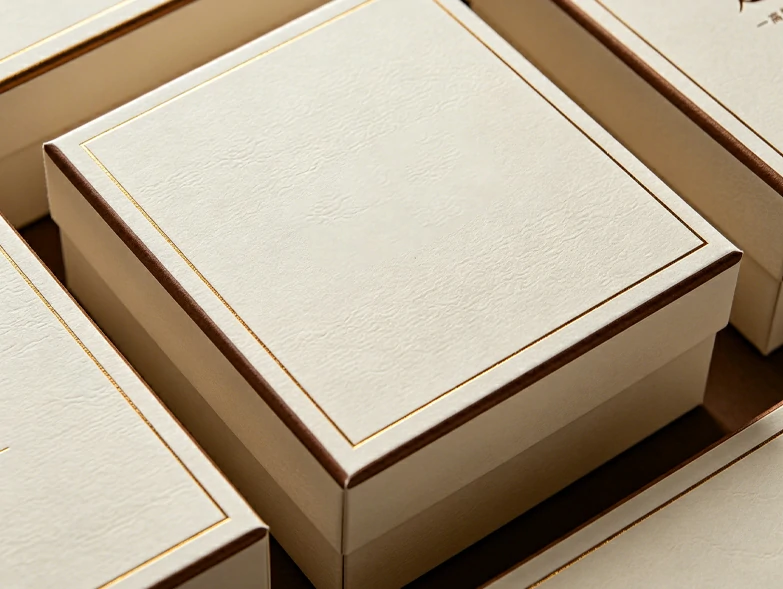
1.1 Rigid Boxes
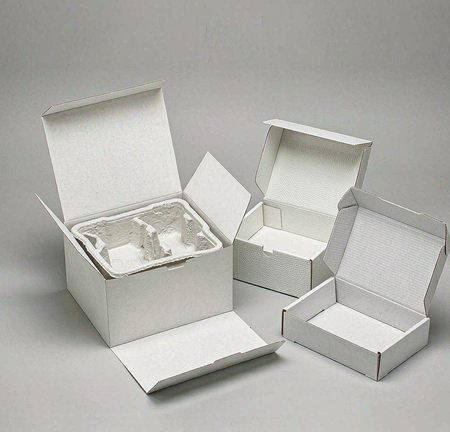
Rigid boxes (set-up boxes) offer a premium, unyielding structure. They are typically constructed from dense paperboard (800gsm to 1500gsm) wrapped in printed or textured paper.
- Best For: Luxury garments, high-end leather goods, premium handbags, and VIP influencer seeding kits.
- Strengths: Maximum structural integrity, superior unboxing experience, often retained by consumers.
- Limitations: Shipped fully assembled, consuming significant warehouse space and increasing freight costs.
- Decision Rule: Use rigid boxes for high-margin items where the unboxing experience justifies the higher unit and shipping costs.
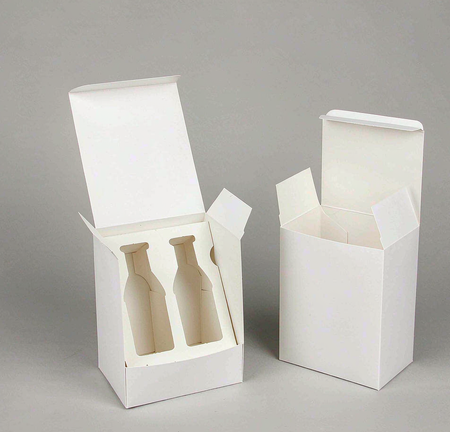
1.2 Folding Cartons
Folding cartons are versatile, lightweight boxes made from single-ply paperboard (typically 300–450gsm). They ship flat and require assembly at the fulfillment center.
- Best For: T-shirts, lightweight blouses, socks, underwear, and fast-fashion retail-ready packaging.
- Strengths: Highly cost-effective, ships flat (minimizing freight volume), supports high-speed automated packing.
- Limitations: Lower perceived value compared to rigid boxes; limited structural strength for heavy items.
- Decision Rule: Opt for folding cartons for high-volume, mid-tier apparel where cost efficiency and rapid fulfillment are paramount. For a deeper dive into this comparison, read our detailed analysis on rigid vs folding carton for apparel.
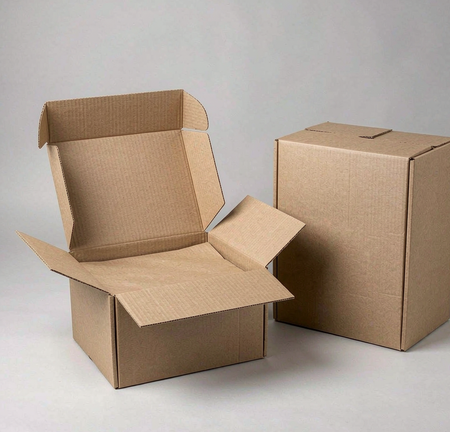
1.3 Corrugated Mailer Boxes
Mailer boxes feature interlocking flaps and dust wings, offering excellent durability without requiring tape for assembly.
- Best For: E-commerce apparel shipments, subscription boxes, and durable footwear.
- Strengths: High crush resistance; serves as both the product box and the shipping container (self-shipper).
- Limitations: Thicker walls than folding cartons, which slightly reduces internal capacity; corrugated flutes can show on the edges.
- Decision Rule: Choose corrugated mailers for direct-to-consumer (DTC) brands needing robust transit protection without a secondary outer box.
1.4 Drawer Boxes (Slipcase)
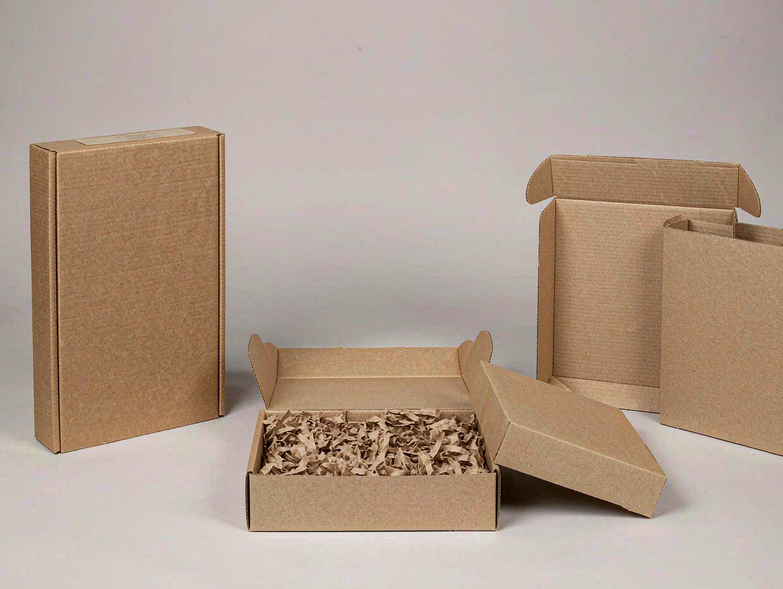
Drawer boxes consist of an outer sleeve and an inner sliding tray, often featuring a ribbon pull.
- Best For: Premium belts, wallets, silk scarves, and boutique footwear.
- Strengths: Elegant opening mechanism, highly reusable, excellent structural rigidity.
- Limitations: Higher manufacturing cost due to two-piece construction and manual assembly steps.
- Decision Rule: Drawer boxes are ideal for accessories where a “reveal” style unboxing enhances the perceived value.
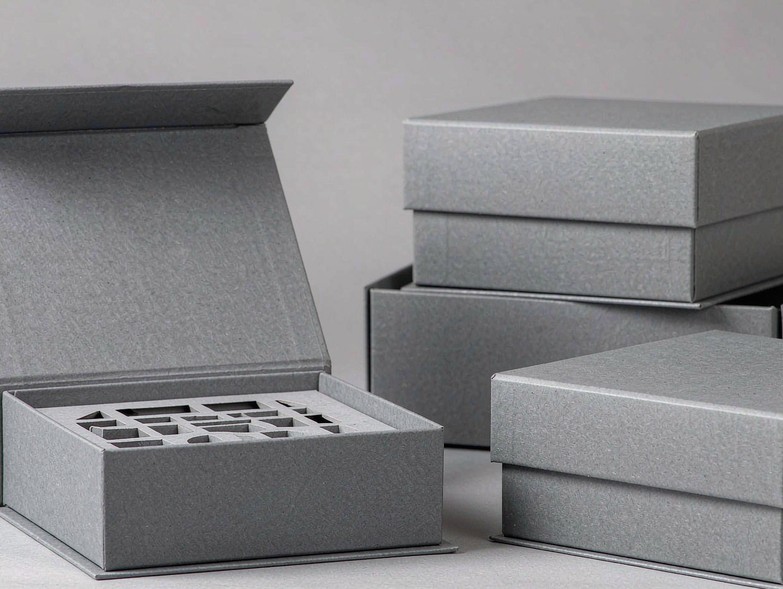
1.5 Magnetic Closure Boxes
A variant of the rigid box, these feature concealed magnets in the front flap for a satisfying “snap” closure. Collapsible versions are available to mitigate shipping volume.
- Best For: Luxury shoes, bridal wear, and premium corporate gifting.
- Strengths: Ultimate premium feel, highly durable, secure closure.
- Limitations: Highest unit cost; magnets can complicate recycling processes.
- Decision Rule: Reserve magnetic boxes for flagship products. If sourcing these, specific criteria apply; consult our custom shoe box manufacturer guide for detailed specifications.
1.6 Paper Tubes and Specialty Styles
Paper tubes offer a unique cylindrical presentation, while window boxes feature clear PET/PVC patches for product visibility. Hanging boxes include die-cut euro-holes for retail pegboards.
- Best For: Rolled tees (tubes), retail socks (hanging), ties, and baby apparel (window).
- Strengths: High shelf standout; immediate product visibility (window).
- Limitations: Tubes are inefficient for shipping volume; plastic windows hinder full recyclability.
- Decision Rule: Choose tubes, window, or hanging boxes when shelf visibility or a distinctive silhouette outweighs freight efficiency; skip PET/PVC windows entirely if recyclability is a stated brand claim.
1.7 Sizing Your Box: Practical Dimensions by Garment Type
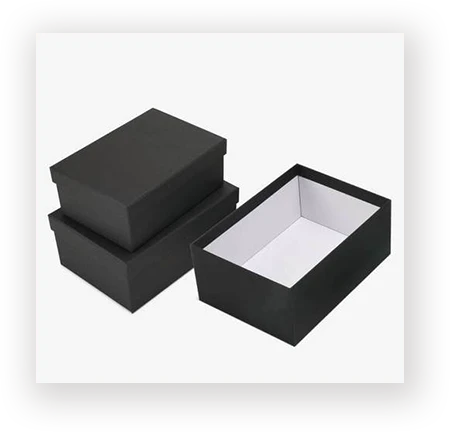
Getting internal dimensions right at the RFQ stage prevents fit failures, freight waste, and retooling costs. The reference inner dimensions below are conservative starting points for common categories:
- Folded T-shirt (polybagged, standard tee): approx. 300 × 220 × 40 mm.
- Folded sweater or knitwear: approx. 320 × 250 × 90 mm.
- Dress on hanger (collapsible garment box): approx. 1,100–1,300 × 300 × 120 mm, scaled to the garment length.
- Shoebox (US sizes 7–13): approx. 330 × 220 × 120 mm.
For footwear, size the box from the last: measure last length and add 15–20mm of allowance so the shoe seats without pressure on the toe or heel. On the remaining dimensions, leave roughly 3mm of assembly clearance for tissue paper, inserts, and board thickness. Treat every figure as indicative — final internal dimensions are confirmed against your physical sample at the white-sample stage before dielines are cut.
2. Essential Materials for Custom Apparel Packaging
The substrate you choose directly impacts the cost, strength, printability, and sustainability profile of the final packaging.
2.1 Kraft Paper

Kraft paper is an unbleached, highly durable material characterized by its natural brown color and textured surface.
- Characteristics: High tear resistance, excellent eco-friendly perception, fully recyclable.
- Application: Kraft packaging boxes suit minimalist, sustainable apparel packaging and eco-conscious DTC launches.
- Printability: Limited to dark or simple spot colors; white ink requires multiple passes or screen printing.
2.2 Coated Paper (Art Paper / C1S / C2S)
Coated paper features a smooth, refined surface, coated on one side (C1S) or both sides (C2S).
- Characteristics: Vibrant color reproduction, smooth finish, standard for rigid box wraps.
- Application: High-end custom retail packaging boxes requiring complex, full-color graphics or sharp photographic prints.
- Printability: Excellent; supports all CMYK and Pantone colors accurately.
2.3 Paperboard (SBS / FBB)
Solid Bleached Sulfate (SBS) and Folding Box Board (FBB) are virgin fiber boards offering high brightness and stiffness.
- Characteristics: Clean white edges, excellent structural support for folding cartons.
- Application: Cosmetics, intimate apparel, and retail shelf boxes.
- Printability: Superior surface for high-resolution offset printing and demanding finishes.
2.4 Corrugated Board
Corrugated board consists of a fluted medium sandwiched between two linerboards. E-flute (approx. 1.5mm thick) and B-flute (approx. 3mm thick) are standard for apparel.
- Characteristics: Unmatched strength-to-weight ratio, high crush resistance.
- Application: Corrugated packaging boxes are the default for e-commerce mailers, master shipping cartons, and heavy footwear.
2.5 Material Selection Matrix
Material Type | Strength | Print Quality | Cost Profile | Best Used For | Kraft Paper | Medium-High | Basic (Spot Color) | Low-Medium | Eco-friendly DTC brands | Coated Paper | Low (used as wrap) | Excellent (CMYK) | Medium | Wrapping luxury rigid boxes | SBS Paperboard | Medium | Excellent | Medium-High | Premium retail folding cartons | Corrugated (E-Flute) | High | Good (Flexo or Litho-lam) | Low-Medium | E-commerce mailer boxes |
3. Surface Finishing and Brand Perception
Surface finishes (or post-press processes) elevate standard paper into a branded experience. They provide tactile engagement and visual differentiation on the retail shelf.
3.1 Foil Stamping (Hot Stamping)

Applies a thin layer of metallic or pigmented foil using heat and pressure.
- Effect: High-contrast, reflective metallic finish (gold, silver, rose gold, holographic).
- Application: Logos, brand names, and borders on premium rigid or drawer boxes.
3.2 Embossing and Debossing
Alters the surface of the paper to create a raised (emboss) or recessed (deboss) 3D effect without ink (blind) or registered over printed areas.
- Effect: Subtle, tactile elegance that communicates luxury.
- Application: Best on thick paperboard or kraft; highly effective for minimalist logos.
3.3 Spot UV Coating
Applies a high-gloss ultraviolet coating to specific areas of the box, contrasting with a matte background.
- Effect: Draws attention to specific design elements, adding depth and a premium feel.
- Application: Highlighting patterns, typography, or product imagery on folding cartons and mailers.
3.4 Lamination (Soft-Touch, Matte, Gloss)
A thin plastic film applied over the entire printed sheet.
- Effect: Soft-touch provides a velvety, luxurious feel; matte offers a muted, elegant look; gloss provides vibrant color pop and scuff resistance.
- Application: Essential for protecting dark solid colors from scratching; soft-touch is standard for luxury apparel. Note: Standard lamination complicates recyclability; consult your supplier about biodegradable film options.
4. International Compliance and Standards
For apparel brands exporting to the US or EU, packaging compliance is non-negotiable. Non-compliant packaging can lead to customs delays, retail rejection, or fines.
4.1 Environmental and Sourcing Certifications
- FSC (Forest Stewardship Council): Guarantees that the paper is sourced from responsibly managed forests. European retailers increasingly mandate FSC certification, and you can verify any supplier’s certificate in the FSC certificate database. If you are auditing partners, use our eco-friendly apparel packaging supplier checklist.
- Recyclability Claims under the PPWR: The EU Packaging and Packaging Waste Regulation (PPWR, Regulation (EU) 2025/40) has repealed the former Directive 94/62/EC and applies in full from 12 August 2026. It tightens recyclability and recycled-content requirements across member states and adds extended producer responsibility (EPR) registration duties for anyone placing packaging on the EU market. Avoid heavy laminations if claiming 100% recyclability. See the official PPWR text and the European Commission’s packaging waste overview for details.
4.2 Retail-Ready and Traceability Standards
- Barcode / GS1 / SKU: Retail-ready packaging must feature scannable barcodes meeting GS1 standards. Ensure clear print contrast (typically black bars on a white background) and correct placement according to retailer vendor guides.
- ISO 9001: While a factory standard rather than a product standard, partnering with an ISO 9001 certified manufacturer ensures consistent quality management and traceability.
4.3 Safety and Chemical Regulations
- CPSIA (US) and EN 71-3 (EU) for children’s products: If your apparel is intended for children (e.g., baby clothes, kids’ accessories), the packaging must comply with strict limits on heavy metals (like lead) and phthalates in inks, glues, and coatings. In the US, CPSIA governs children’s products; in the EU, EN 71-3 is the toy migration standard and applies only where children’s product rules are triggered — it is not a general apparel or packaging regulation. For all other apparel packaging exported to the EU, the applicable framework is REACH, including SVHC restrictions and communication obligations for substances in inks, glues, and coatings.
5. Cost Drivers and Total Landed Cost for Apparel Packaging
Understanding what drives packaging costs helps procurement teams engineer solutions that meet target budgets without compromising quality.
5.1 Direct Manufacturing Costs
- Material Choice: Virgin SBS board is more expensive than recycled kraft. Thicker calipers increase cost.
- Structural Complexity: Hand-assembled rigid boxes cost significantly more in labor than machine-glued folding cartons.
- Print and Finish: Full-color CMYK with spot UV and foil stamping requires multiple press passes, increasing setup and unit costs compared to single-color flexo printing.
- Order Volume (MOQ): Setup costs (die-cutting plates, print cylinders) are fixed. Higher volumes dilute these costs, dramatically lowering the unit price.
5.2 Hidden Costs and Total Landed Cost
Procurement must calculate the total landed cost, not just the factory FOB price.
- Freight Volume (CBM): Shipping empty rigid boxes by sea is essentially paying to ship air. A rigid box might cost $1.00 to make but $0.50 to ship. A folding carton might cost $0.50 to make and $0.05 to ship.
- Warehousing: Flat-packed boxes require a fraction of the pallet space of assembled boxes, lowering storage fees.
- Fulfillment Labor: Complex packaging (e.g., ribbon ties, multi-part inserts) increases the time required to pack each garment at the 3PL or factory, driving up fulfillment costs. For a detailed cost model, see our apparel packaging cost breakdown.
- Import Duties and Taxes: Tariff policy between China and the US/EU shifted repeatedly through 2025–2026, and rates depend on product classification and trade programs. Treat any percentage you see as indicative only, and confirm current duty rates and HTS classifications with your freight forwarder or customs broker before locking your landed-cost model.
6. Sourcing Workflow and Manufacturer Evaluation
Transitioning from a design concept to mass production requires a structured sourcing workflow to mitigate risk.
6.1 The Sourcing Process
- Define Requirements: Specify dimensions, garment weight, brand positioning, and target unit cost.
- Submit a Detailed Brief: Provide a comprehensive RFQ (Request for Quotation). If you are new to this, utilize our OEM/ODM apparel packaging brief template to ensure you capture all technical details.
- White Sample (Structural Prototype): Order an unprinted, die-cut sample to test garment fit, foldability, and structural integrity. In our own plant, white samples leave the die-cutting room within 3 days, so you can verify fit before any print cylinders are cut.
- Pre-Production Sample (PPS): Once the structure is approved, request a fully printed and finished sample to verify color accuracy and finish quality.
- Mass Production: After written PPS approval, mass production begins. Standard lead times range from 10 to 15 days, depending on volume and complexity.
6.2 Evaluating an Apparel Packaging Manufacturer
Look beyond the initial quote. Evaluate the supplier’s engineering capability and quality systems.
- Experience: Do they specialize in paper packaging for apparel? 25+ years of industry experience translates to fewer production errors.
- Certifications: Are they FSC and ISO 9001 certified?
- In-House Capabilities: Do they outsource finishing (like foil stamping), or is it done in-house? In-house control ensures better color consistency and tighter lead times.
- Flexibility: Do they offer flexible MOQs to support pilot launches alongside high-volume production?
To thoroughly vet potential partners, ask the critical apparel packaging manufacturer questions during your initial audit.
6.3 Artwork and Dieline Requirements
Print quality is determined before the first sheet runs. Supply artwork and dielines that match production standards:
- Bleed: Extend all background colors and images 3mm beyond the final trim size on every trimmed edge.
- Safe Area: Keep text, logos, and barcodes inside a safe zone at least 3–5mm from the trim line to avoid clipping during cutting.
- Dieline Files: Provide the structural dieline as a vector file in AI, PDF, or DXF format, drawn at 1:1 scale, with cut, crease, and perforation lines on separate layers.
- Resolution: Supply images at 300dpi at final print size; low-resolution web files produce soft, unprofessional results.
- Fonts: Convert all fonts to outlines (curves) to avoid substitution errors at the RIP stage.
- Spot Colors: Specify Pantone references for brand colors and keep them on separate spot channels so the press can match them exactly.
7. Quality Control (QC) Basics
Effective QC ensures that the 10,000th box looks exactly like the approved pre-production sample.
7.1 Key Inspection Points
- Color Consistency: Verify color against approved Pantone swatches or the PPS under standard lighting (D50 or D65) to ensure batch-to-batch uniformity.
- Die-Cut Accuracy: Check for clean edges without fraying. Ensure folding lines (creases) are deep enough to fold without cracking the paper, but not so deep that they tear.
- Adhesion and Glue: For machine-glued cartons and hand-wrapped rigid boxes, ensure glue is applied evenly without seepage. Test adhesion strength under varying temperatures.
- Finish Alignment: Verify that foil stamping and spot UV are perfectly registered (aligned) with the underlying print.
7.2 Defect Rates
A professional manufacturer operates with strict tolerances. For custom paper packaging, a defect rate under 0.5% is the benchmark for high-quality production, ensuring minimal disruption to your fulfillment operations. In our own ISO 9001 certified plant, the defect rate is held strictly under 0.5%, verified by in-line and pre-shipment inspections on every batch, so the 10,000th box still matches the approved pre-production sample.
8. Transit Protection: Moisture Management in Transit
Ocean freight from Asia to Western markets exposes packaging to severe humidity fluctuations, leading to “container rain.” Mildew ruins both the box and the garment. You must specify appropriate desiccants (like silica gel or calcium chloride) and consider anti-mold treatments for the paper. Review our guide to prevent mold in apparel shipping for technical solutions.
In our own facility, every new apparel structure passes in-house drop, moisture, and transit simulations before it is approved for export, so desiccant quantities and wrapping specifications are validated against real container conditions rather than assumed.
9. Conclusion
Sourcing the right custom apparel packaging requires balancing brand presentation, structural requirements, and total landed costs. By understanding the distinct advantages of rigid boxes versus folding cartons, selecting the appropriate paper substrates, and navigating international compliance standards, procurement teams can engineer solutions that protect the product and elevate the brand. Partnering with an experienced consumer goods packaging manufacturer equipped with in-house engineering, strict quality control, and relevant certifications (such as ISO 9001 and FSC) is crucial for maintaining a defect rate below 0.5% and ensuring smooth supply chain operations.
If you are evaluating new packaging structures for an upcoming season or seeking to optimize your current total landed costs, technical expertise is your best asset. Send our engineering team your garment specifications, target unit cost, and transit route, and we will respond with a recommended structure, a dieline, and a landed-cost breakdown. You can request our full packaging selection framework, book a one-on-one packaging engineering consultation, or ask for structural white samples for your next line — each is available before you commit to tooling. Let us help you design packaging that performs from the factory floor to the retail shelf.
FAQ
Q1: What is the most cost-effective packaging for e-commerce apparel?
Corrugated mailer boxes or simple flat poly/paper mailers are the most cost-effective. Corrugated mailers (E-flute) offer transit protection without needing an outer shipping carton, saving on both material and shipping weight.
Q2: Can rigid boxes be shipped flat?
Standard rigid boxes cannot be shipped flat; they are shipped fully assembled. However, collapsible rigid boxes (often using magnetic closures and adhesive corners) are available. They ship flat and assemble easily, saving freight volume, though their unit cost is higher than standard rigid boxes.
Q3: How do I ensure my apparel packaging is eco-friendly?
Effective eco-friendly clothing packaging starts with FSC-certified paper (kraft or recycled boards) and soy or water-based inks, avoiding heavy plastic laminations (opt for aqueous coatings instead), and minimizing mixed materials (like plastic windows) so the box is easily recyclable by the end consumer.
Q4: What is the standard lead time for custom apparel boxes?
For an established manufacturer, a structural prototype (white sample) typically takes 3 days. Once the pre-production sample is approved, mass production generally requires 10 to 15 days, depending on the complexity of finishes and total volume.
Q5: Why did my folding cartons crack on the folded edges?
Cracking usually occurs if the paperboard is too thick or dry, or if the score line (crease) from the die-cutting process is incorrect. Applying a lamination (matte or gloss) can prevent cracking on heavy ink coverage areas along the folds.
Q6: What is a structural prototype vs. a pre-production sample?
A structural prototype (or white sample) is made of the final material but has no printing or finishes; it is used to test the size, strength, and foldability. A pre-production sample (PPS) is fully printed and finished, serving as the final color and quality benchmark before mass production.