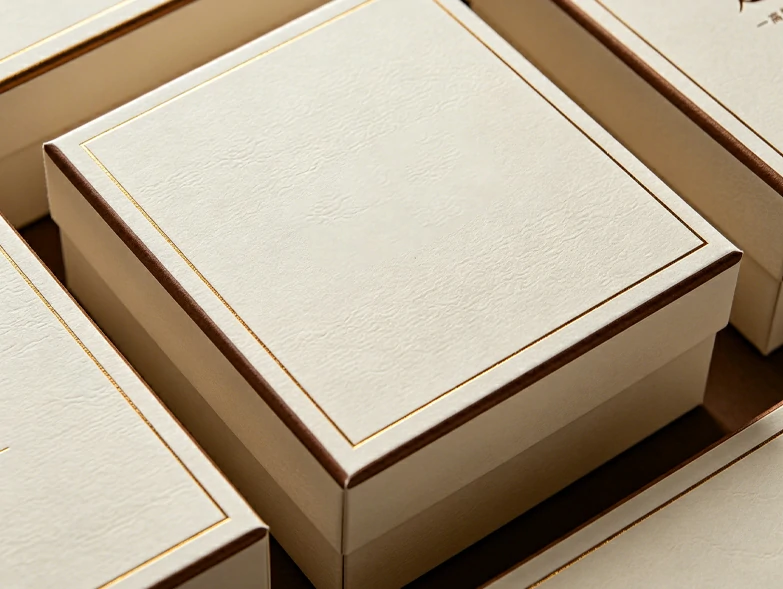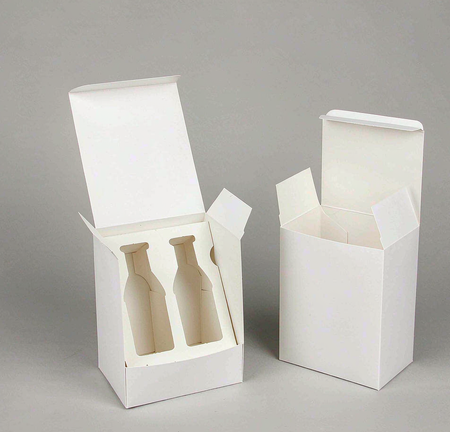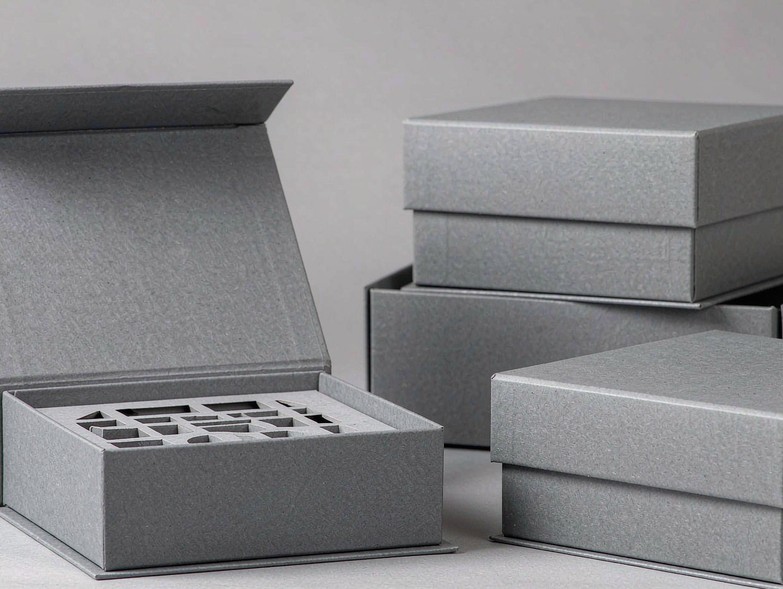
Choosing the right custom apparel packaging manufacturer is a high-stakes decision. A wrong choice can lead to delayed launches, crushed boxes upon arrival, unexpected tooling fees, or non-compliance with international retail standards. Asking the right questions upfront protects your brand, your budget, and your timeline.
This guide provides a practical, insider’s checklist — written from a consumer goods packaging manufacturer’s perspective — of the top 10 questions you must ask before committing to an order. You can copy and paste these directly into your RFQ or factory audit to quickly separate true manufacturers from middlemen and master how to choose an apparel packaging supplier that matches your quality and budget, ensuring you partner with a supplier capable of meeting your exact specifications.
Table of Contents
- Are You a Direct Factory or a Trading Company?
- Which Box Structures Do You Manufacture In-House?
- What is Your True MOQ, Lead Time, and Capacity?
- How Does Your Pre-Production Sample (PPS) Process Work?
- What is Your QC Protocol and Guaranteed Defect Rate?
- Are All Tooling and Setup Fees Included in the Quote?
- Can You Provide Current FSC and ISO Certifications?
- How Do You Prevent Moisture and Mold During Sea Freight?
- Can You Handle Apparel-Specific Finishing and Inserts?
- Who Owns the IP and Tooling for Future Orders?
- Apparel Packaging Supplier Evaluation Scorecard
- Conclusion
1. Are You a Direct Factory or a Trading Company?
The Question to Ask: “Are you a direct manufacturer for these specific paper boxes? If so, can you provide a live video tour of your production floor and a list of your primary printing and die-cutting equipment?”
Many suppliers on sourcing platforms are trading companies acting as middlemen. While some offer good service, they add a markup and lack direct control over production schedules and quality. A direct factory offers better pricing, faster sampling, and direct accountability.

- What a Strong Answer Looks Like (Green Flag): They gladly offer a live video call showing their printing presses (e.g., Heidelberg, Komori), automated die-cutting machines, and gluing lines. They openly discuss their 25+ years in custom paper packaging and invite a third-party clothing packaging factory audit.
- Red Flag to Watch: Evasive answers, relying solely on highly polished stock photos of machinery, or refusing a live video call due to “company policy.”
2. Which Box Structures Do You Manufacture In-House?
The Question to Ask: “Do you manufacture rigid, folding, mailer, drawer, and magnetic boxes in-house? What percentage of your production is outsourced?”
Apparel packaging requires diverse box styles. A supplier might excel at simple corrugated mailers but outsource premium rigid boxes, leading to inconsistent color matching and disjointed timelines.

- What a Strong Answer Looks Like (Green Flag): They clearly state which core box structures they produce under their own roof. For apparel, they can immediately advise whether you need a high-end setup box or if you should review our guide on rigid vs folding carton for apparel to optimize your fulfillment.
- Red Flag to Watch: Claiming they manufacture everything in-house without the equipment list to back it up, or offering drastically different lead times for different box styles in the same order.
3. What is Your True MOQ, Lead Time, and Capacity?
The Question to Ask: “What is your minimum order quantity (MOQ) for this design, and what is your lead time for a pilot run versus full mass production?”
Startups and established brands have different needs. You need a supplier who can handle a small pilot order to test the market, but also has the capacity to scale up rapidly without extending lead times.
- What a Strong Answer Looks Like (Green Flag): They quote realistic MOQs by structure instead of vague promises: corrugated packaging boxes commonly start around 500–1,000 units, while rigid boxes are often produced in runs of roughly 250–500 units because they are assembled by hand. They commit to standard lead times (e.g., 10-15 day production after sample approval) and express daily capacity in concrete machine terms — as a consumer goods packaging manufacturer running 150+ in-house production machines, we can name the press and die-cutting line your order is scheduled on and its output per shift. They also offer tiered pricing structures that reward scale.
- Red Flag to Watch: Inflexible high MOQs (e.g., 5,000+ units) with no room for negotiation, or lead times that stretch beyond 30 days for standard paper packaging.
4. How Does Your Pre-Production Sample (PPS) Process Work?
The Question to Ask: “Do you provide a structural white sample before printing? Once approved, what is the turnaround time for a fully finished pre-production sample (PPS)?”
Never proceed to mass production based on a digital 3D render alone. You must test a physical sample with your actual garments inside to verify fit, foldability, and color accuracy.
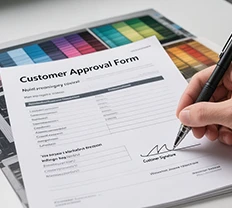
- What a Strong Answer Looks Like (Green Flag): They provide a fast, unprinted structural prototype (usually within 3 days) to confirm the dimensions and board strength. After structural approval, they produce a fully printed PPS that serves as the binding quality standard for the mass run. For complex structures like luxury footwear packaging, this step is non-negotiable; see our custom shoe box manufacturer guide for specific sampling protocols.
- Red Flag to Watch: Pressuring you to skip the physical sample to “save time,” or charging exorbitant, non-refundable fees for standard sampling.
5. What is Your QC Protocol and Guaranteed Defect Rate?
The Question to Ask: “Describe your in-line and pre-shipment quality control process. What is your guaranteed defect rate, and how do you handle replacements for defective units?”
Quality control separates a professional manufacturer from a chaotic workshop. You need assurance that the factory actively monitors color consistency, glue adhesion, and die-cut precision throughout the run, not just at the end.
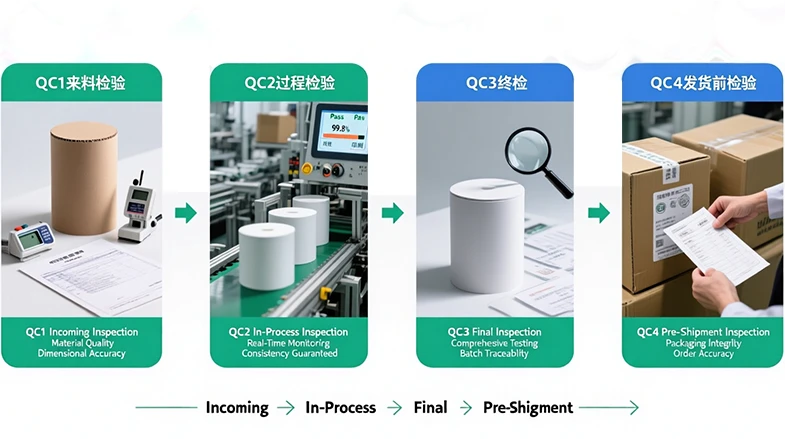
- What a Strong Answer Looks Like (Green Flag): They detail a structured QC process (e.g., inspecting every 500th sheet off the press, automated glue inspection). They confidently state a defect rate under 0.5% and have a clear, written policy for replacing or refunding out-of-tolerance units.
- Red Flag to Watch: Vague assurances like “we always check quality” without a defined process, or refusing to accept a specific maximum defect rate in the contract.
6. Are All Tooling and Setup Fees Included in the Quote?
The Question to Ask: “Does this quote include all die-cutting plates, print cylinders, foil stamping blocks, and sample shipping fees? Are there any hidden surcharges for rush orders?”
A common tactic among lower-tier suppliers is to quote an artificially low unit price, only to add hundreds of dollars in “setup fees” right before production begins. You must demand a comprehensive quote based on total landed cost logic.
Payment Terms and Deposits: Cost transparency does not stop at the unit price. Ask for the deposit structure in writing before you commit. A standard arrangement for custom apparel packaging is T/T payment with a 30% deposit and the remaining 70% payable against a copy of the bill of lading; higher-volume or repeat programs can often negotiate extended terms such as partial L/C or open-account credit. Tooling and setup fees should be itemized separately and waived on reorders.
- What a Strong Answer Looks Like (Green Flag): They provide an itemized quote that clearly separates the unit cost from any one-time tooling fees (which should be waived on reorders), and they state standard payment terms — typically a 30% T/T deposit with the 70% balance against a B/L copy — directly in the quote. They transparently explain how order volume impacts these fixed costs, as detailed in our apparel packaging cost breakdown.
- Red Flag to Watch: Refusing to itemize the quote, introducing new “plate fees” after the initial price has been agreed upon, demanding 100% payment upfront with no milestones tied to shipment, or declining to put deposit percentages in writing.
7. Can You Provide Current FSC and ISO Certifications?
The Question to Ask: “Are you ISO 9001 certified? Can you provide valid FSC certification for the paper used, and supply evidence of recyclability for EU/US compliance?”
Compliance is critical for fashion brands exporting to Western markets. Non-compliant packaging can result in retail rejection or customs holds.
- What a Strong Answer Looks Like (Green Flag): They immediately provide verifiable ISO 9001 and FSC certificates matching their factory name. They understand the current EU framework — the Packaging and Packaging Waste Regulation (PPWR, Regulation (EU) 2025/40), which applies from 12 August 2026 and repeals Directive 94/62/EC, including EPR registration duties — and can advise on avoiding non-recyclable laminations. Use our eco-friendly apparel packaging supplier checklist to thoroughly vet these claims.
- Red Flag to Watch: Providing certificates under a different company name (a classic sign of a trading company), or claiming a product is “100% eco-friendly” while using heavy plastic laminations and PVC windows.
8. How Do You Prevent Moisture and Mold During Sea Freight?
The Question to Ask: “What specific measures do you take to prevent mold and moisture damage during ocean transit from Asia?”
Ocean freight subjects paper packaging to severe temperature and humidity swings (“container rain”). Without proper precautions, mildew can ruin both the boxes and the apparel inside before they even reach your warehouse.
- What a Strong Answer Looks Like (Green Flag): They proactively suggest using appropriately sized desiccants (silica gel or calcium chloride) inside the master cartons and recommend anti-mold treatments or specialized wrapping for the pallets. They understand that moisture management is a shared responsibility; for technical solutions, review our guide on how to prevent mold in apparel shipping.
- Red Flag to Watch: Dismissing the risk of moisture damage or relying solely on standard, thin polybags without desiccants for a 4-week sea voyage.
9. Can You Handle Apparel-Specific Finishing and Inserts?
The Question to Ask: “Can you provide soft-touch lamination, custom foil stamping, and source apparel-specific accessories like acid-free tissue paper or anti-static bags?”
Premium custom retail packaging boxes often require secondary elements that elevate the unboxing experience and protect delicate fabrics from color migration or static buildup.

- What a Strong Answer Looks Like (Green Flag): They offer a wide range of in-house surface finishes (embossing, spot UV, soft-touch). They source and integrate acid-free tissue paper and custom inserts in-house (like ribbons or branded stickers) into the final assembly, saving you the hassle of coordinating multiple vendors.
- Red Flag to Watch: Outsourcing crucial finishing steps (which delays production and reduces quality control) or inability to provide basic apparel accessories like acid-free tissue.
10. Who Owns the IP and Tooling for Future Orders?
The Question to Ask: “Once the first order is complete, who owns the custom die-cutting plates and print cylinders? If I move to another supplier, can I take my tooling?”
This question clarifies the long-term relationship. Some suppliers hold tooling hostage to prevent you from switching factories.
- What a Strong Answer Looks Like (Green Flag): They agree in writing: the contract should state that you own the design IP and the physical tooling once the tooling fees are paid, whether the order covers OEM gift boxes, private label apparel boxes, or fully bespoke structures. They confirm that die-cutting plates and print cylinders are stored securely for your exclusive use on future reorders, meaning you will not pay setup fees again. To ensure all these terms are documented correctly, refer to our OEM/ODM apparel packaging brief template.
- Red Flag to Watch: Vague answers about tooling ownership, or refusing to sign an NDA regarding your packaging structural design and artwork.
11. Apparel Packaging Supplier Evaluation Scorecard
Use this simple, copy-paste scorecard — it doubles as a clothing packaging factory audit checklist — to objectively compare potential apparel packaging partners across all ten questions above.
| Evaluation Dimension | Key Question | Weight | Score (1-5) | Notes / Evidence Provided |
|---|---|---|---|---|
| Direct Manufacturing | Factory vs. Trading Company? | High | Live video tour confirmed? | |
| Capabilities | Core box structures in-house? | High | Equipment list matches needs? | |
| Flexibility | MOQ and scaling capacity? | Medium | Tiered pricing offered? | |
| Sampling Process | White sample + PPS turnaround? | High | 3-day white sample confirmed? | |
| Quality Control | QC protocol and defect rate? | High | <0.5% defect rate guaranteed? | |
| Cost Transparency & Payment Terms | All tooling/hidden fees declared? Payment terms in writing? | High | Itemized quote + 30/70 T/T terms? | |
| Compliance | ISO 9001 & FSC certified? | High | Certificates verified? | |
| Transit Protection | Moisture/mold measures for sea freight? | High | Desiccants + anti-mold treatment? | |
| Finishing & Inserts | In-house finishes + apparel accessories? | Medium | Tissue, ribbons, inserts sourced? | |
| IP & Tooling Ownership | Who owns dies, cylinders, and design IP? | High | Ownership stated in contract? |
12. Conclusion
Vetting a custom apparel packaging manufacturer requires more than just comparing the lowest unit price on a quote. By asking these 10 targeted questions, you transition from a passive buyer to a strategic procurement partner. You will uncover hidden fees, verify crucial compliance certifications, and ensure the supplier has the actual engineering capability and quality control systems to protect your brand. For a broader overview of the entire sourcing and technical process, return to our master apparel packaging guide.
Are you ready to audit your current supplier or shortlist a new manufacturing partner? Contact our engineering team today to request a comprehensive factory evaluation checklist, or submit your specific project details for a transparent, itemized OEM quote.
FAQ
Q1: How can I verify a supplier’s ISO 9001 and FSC certificates?
Ask for a clear copy of the certificate. The company name on the certificate must exactly match the factory you are dealing with. You can verify the certificate number on the official FSC database or the issuing certification body’s website.
Q2: Should I pay for a custom sample before placing a bulk order?
Yes. While structural white samples are often free or very low cost, a fully finished Pre-Production Sample (PPS) usually incurs a fee to cover machine setup. However, a professional factory will typically refund or deduct this sample fee from your final mass production invoice.
Q3: What is the difference between a factory and a trading company in packaging?
A factory owns the manufacturing equipment, controls the production schedule, and manages QC directly. A trading company acts as a broker, outsourcing production to various factories. Trading companies often have higher prices and less control over lead times and quality.
Q4: Why is it important to ask about tooling ownership?
If you pay for custom die-cutting plates or printing cylinders, you should own them. If a supplier claims ownership, they can charge you setup fees again on reorders or make it very difficult for you to move your business to a more competitive factory.
Q5: Can a packaging manufacturer source tissue paper and stickers for me?
A reputable packaging manufacturer focusing on apparel should be able to source and integrate complementary items like acid-free tissue paper, custom stickers, and ribbons, providing a complete, ready-to-pack solution.
Q6: What defect rate is acceptable for custom paper packaging?
For custom printed paper packaging, an acceptable defect rate is typically between 1% and 2%. However, top-tier manufacturers with strict QC protocols, like Yongjian, guarantee a defect rate of under 0.5%.