Choosing between a rigid box and a folding carton is usually the first real packaging decision a brand makes, and it sets most of the cost and shelf impact that follow. This overview explains what each structure is, where the money and the risk actually sit, and how to pick the right one by product type. For a step-by-step framework that also covers material and supplier choice, see our Custom Packaging Selection Guide.
- 1. What Each Box Actually Is
- 2. The Core Trade-offs
- 3. How to Choose by Product Category
- 4. Why Rigid Boxes Cost More
- 5. Common Mistakes That Hurt Margin
- 6. A Simple Decision Rule
- Frequently Asked Questions
1. What Each Box Actually Is
1.1 Rigid Box
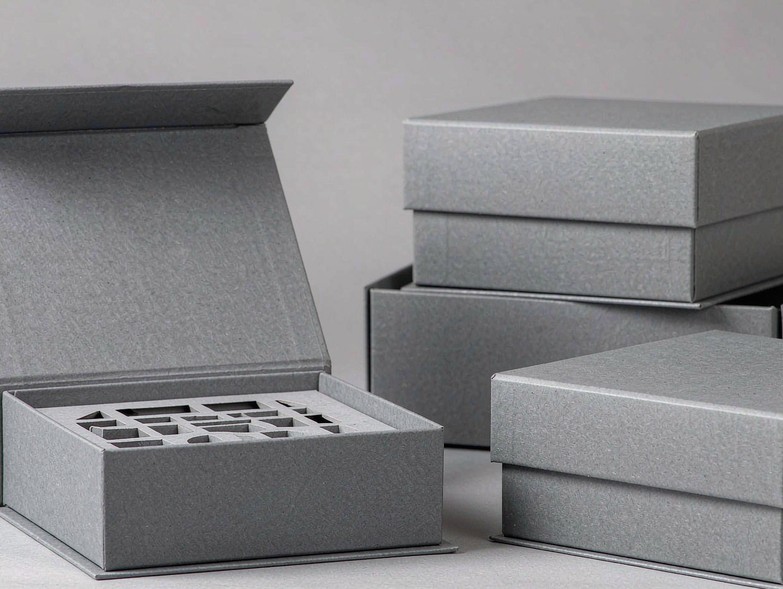
A rigid box, sometimes called a setup or gift box, ships pre-formed. A wrapped greyboard shell gives it a solid, premium feel and lets it hold its shape on the shelf. It uses more board, often needs hand wrapping or semi-auto lines, and ships at full volume, so freight per unit runs higher.
1.2 Folding Carton
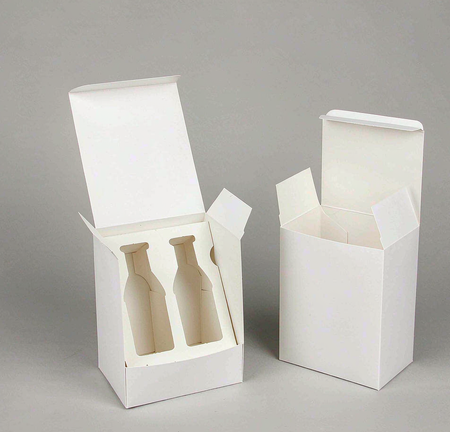
A folding carton is creased, printed flat, and glued or erected after filling. It ships flat, runs on fast automated lines, and costs far less per unit at scale. The trade-off is a lighter, less substantial feel and a bit more assembly labor at the fulfillment end.
2. The Core Trade-offs
| Factor | Rigid box | Folding carton |
|---|---|---|
| Shipping volume | Full (pre-formed) | Flat (flat-pack) |
| Shelf feel | Premium, substantial | Clean, lighter |
| Unit cost at scale | Higher | Lower |
| Assembly | Minimal at fill | Erect before fill |
| Best for | Luxury, gifts, electronics | Retail, subscription, volume |
Neither is better in every case. The right answer changes by category, and the sections below break it down for the main ones.
3. How to Choose by Product Category
Cosmetics. When the unboxing is part of the product, rigid boxes often justify the cost. Our guide to rigid vs folding for cosmetic packaging compares the trade-offs in detail.
Electronics. Teams usually weigh protection against freight. The electronics structure comparison covers inserts, ESD-safe board, and drop survival.
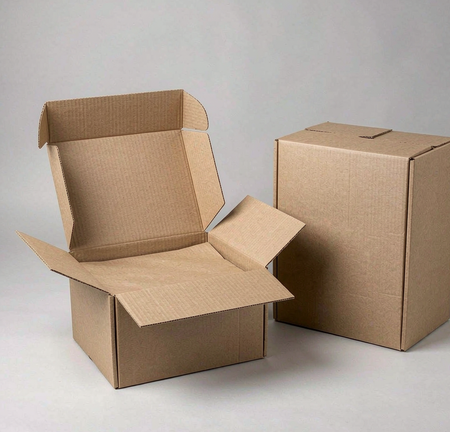
Food and beverage. Grade compliance leads. The kraft vs cardboard food comparison shows how the sustainability story and the print result change by substrate.
Daily necessities. Sold at volume, folding cartons almost always win on cost, as our household packaging analysis shows. The daily-necessities cost comparison puts hard numbers on it.
Jewelry. Material grade and insert fit lead, then structure by price tier. Our jewelry box material guide covers grades and insert matching.
4. Why Rigid Boxes Cost More
Three things drive the gap. More board goes into a pre-formed shell. Wrapping and finishing are harder to fully automate than flat printing. And full-volume shipping can roughly double sea-freight cost per unit versus flat-pack cartons, erasing the per-unit saving on a cheap item.
5. Common Mistakes That Hurt Margin
- Over-engineering: putting a low-price item in a rigid box wastes margin with no sales gain.
- Ignoring flat-pack: pre-formed boxes can double freight volume and erase the unit saving.
- Choosing on price alone: a low unit cost with a high defect rate raises total cost.
- No prototype: sampling first catches structural and print errors at low cost.
6. A Simple Decision Rule
Use a folding carton when the product is low to mid price, sold at volume, or ships by sea in large quantities. Choose a rigid box when the unboxing is part of the brand, the item is high value, or the structure itself signals quality. When the two are close, prototype both and compare landed cost, not just unit price.
Frequently Asked Questions
Which is cheaper, rigid or folding?
Folding cartons are cheaper at scale and ship flat, which cuts freight. Rigid boxes cost more but lift perceived value. Choose by retail price point, not by preference.
Can a folding carton feel premium?
Yes. High-quality board with foil stamping or embossing can read as premium at lower cost. Test both with a prototype before committing.
Does a rigid box always ship worse?
It ships at full volume, so sea freight per unit is higher. For air freight or high-value goods the protection and presentation often outweigh the freight penalty.
How much should packaging cost relative to the product?
A common working range is 5 to 15 percent of retail price. Low-price items sit at the low end; high-value items can justify more because packaging protects both product and brand.
Looking for the full four-step framework? Return to the Custom Packaging Selection Guide to move from product brief to structure, material, and supplier choice.